
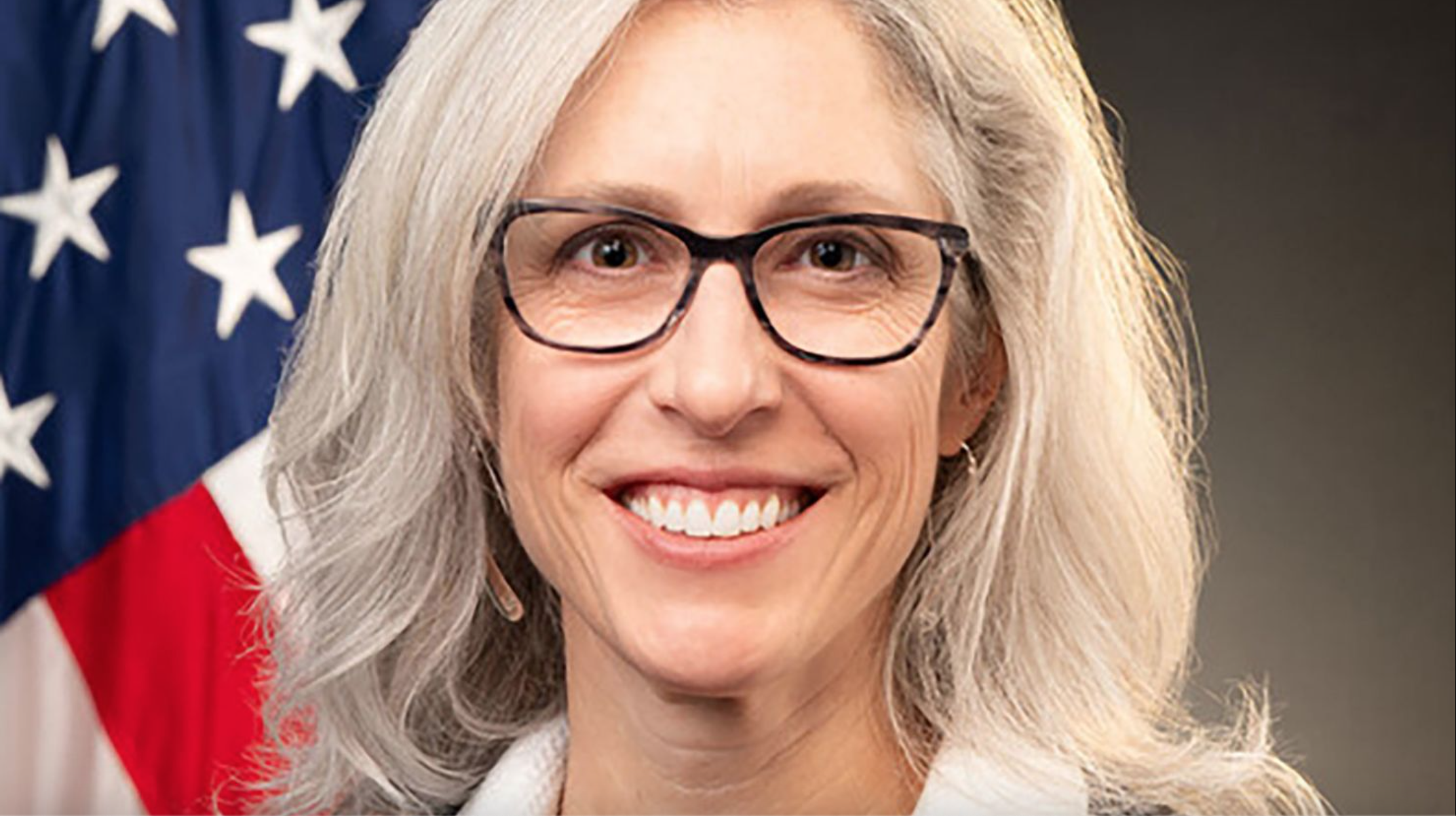
Susan Monarez lasted less than a month as director of the Centers for Disease Control and Prevention. Her time at the helm ended with a firing she now says was about something far more consequential than bureaucratic clashes — it was about whether science itself should be bent to fit ideology.
In a Thursday op-ed in The Wall Street Journal, Monarez laid out her version of what happened. She said Health and Human Services Secretary Robert F. Kennedy Jr. pressured her to preapprove vaccine guidance written by a newly reshuffled CDC advisory panel, a group she says was packed with figures who have trafficked in anti-vaccine rhetoric. When she refused, Monarez says, Kennedy demanded her resignation or threatened termination.
“The CDC can’t fulfill its obligation to the American people if its leader can’t demand proof in decision-making,” Monarez wrote. “If discarding evidence for ideology becomes the norm, why should parents, physicians or the public trust the CDC’s guidance?”
Monarez, a career scientist, was only 29 days into the job. Her tenure began in crisis: during her first week, a gunman opened fire outside CDC headquarters in Atlanta. But she said the real danger came later, when Kennedy — a longtime vaccine skeptic turned cabinet secretary — began to push for what she described as predetermined outcomes. “Once trusted experts are removed and advisory bodies are stacked, the results are predetermined,” she wrote. “That isn’t reform. It is sabotage.”
Kennedy, who has moved quickly to reshape vaccine policy since taking over HHS earlier this year, offered a starkly different account. In a separate op-ed last week, he described his overhaul as “restoring trust in the CDC” after years of what he claims were missteps and cover-ups. On Thursday, appearing before the Senate Finance Committee, Kennedy accused Monarez of misrepresenting their conversations. “No, I did not say that to her,” he told Sen. Ron Wyden of Oregon. “I never had a private meeting; other witnesses to every meeting that we have … will say I never said that.”
Still, Monarez’s account has found resonance in a public health community already rattled by Kennedy’s moves: canceling more than half a billion dollars in grants tied to mRNA vaccine research, limiting access to COVID-19 vaccines, and signaling plans to appoint seven new advisers to the CDC’s scientific committee. Several senior officials resigned after Monarez’s ouster, citing concerns over the agency’s independence.
Her warning is blunt: advisory panels exist to weigh evidence, not ratify politics. “It is imperative,” she wrote, “that recommendations are rigorously and scientifically reviewed before being accepted or rejected, so the facts can still prevail.”
The timing of her op-ed was no accident. It landed the same morning Kennedy appeared on Capitol Hill, facing bipartisan skepticism about his handling of the CDC. Even some Republican senators have said the secretary has questions to answer about morale and integrity inside the agency.
At its core, Monarez’s account puts a fine point on a larger question: if the country’s top public health agencies bend to ideology, what happens to the fragile trust that millions of Americans place in them? As Monarez put it, “Those seeking to undermine vaccines use a familiar playbook: discredit research, weaken advisory committees, and manipulate outcomes. If we allow that playbook to succeed, generations of protections against deadly diseases will unravel.”



