
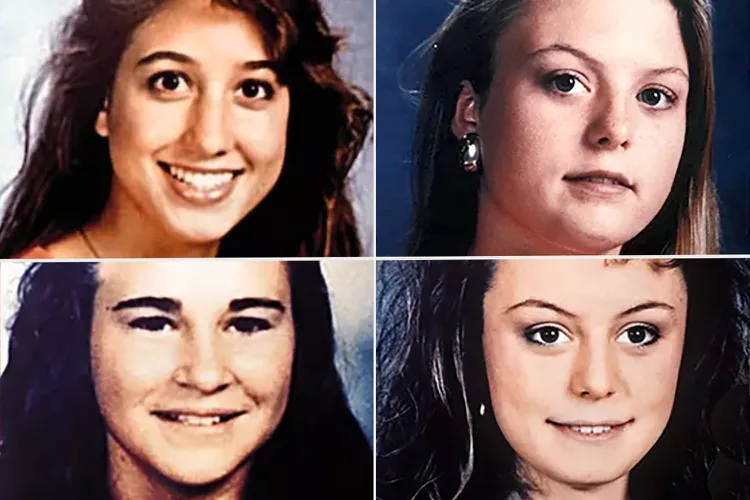
The final episode of HBO’s The Yogurt Shop Murders aired in August closing out a four-part exploration of one of Austin’s most haunting cold cases. More than three decades after the brutal 1991 killings of four teenage girls, the case remains unresolved, and the series wrestles less with forensic details than with the weight of grief that has lingered over the victims’ families and the city itself.
Directed by Margaret Brown, the series takes viewers back through the twists of the 34-year investigation. But at its heart, Brown insists, the project was never about solving the crime on screen. “It’s about dealing with trauma in our lives, and how we can and can’t hold on to memory and all its facets,” she said in an interview. For her, that meant sitting with parents, siblings, and loved ones of Amy Ayers, Jennifer Harbison, Sarah Harbison, and Eliza Thomas, asking them to revisit wounds that had never really closed.
That was no easy request. Brown admits she hesitated to involve some family members, particularly Barbara Ayres-Wilson, who lost both of her daughters in the attack. Ayres-Wilson had long avoided the press, saying interviews left her bedridden for weeks. Eventually, Ayres-Wilson agreed to participate.
The series also situates the story in a wider circle of trauma: not just the families, but the city of Austin itself. Brown incorporated archival footage from earlier documentary efforts, including work by a young filmmaker who tried, and ultimately abandoned, a project focused on false confessions. That material helped broaden the picture of how the case unsettled everyone who touched it—investigators, journalists, and filmmakers alike. “It somehow cursed everyone that touched it,” Brown said, describing the ripple effects of the tragedy.
Meanwhile, Austin Police Detective Dan Jackson continues to work the case. He told Deadline he updates families as often as possible, offering whatever details he can share. The most promising avenue remains DNA. A tiny sample recovered in 1991—too small to identify at the time—has been tested and retested as technology has advanced. Y-STR testing on that DNA overturned prior convictions and ruled out those who had confessed. Today, with newer techniques capable of building profiles from just a few cells, investigators believe the sample may still hold answers. “We’re cautiously optimistic,” Jackson said. “There’s something we can get done here.”
That sense of both frustration and hope runs through the docuseries. In revisiting the case, Brown doesn’t offer resolution—how could she? Instead, she captures the uneasy reality of an open wound. Thirty-four years later, the families and their city live with questions that may never be answered, but with the knowledge that their memories, however heavy, still matter.



