
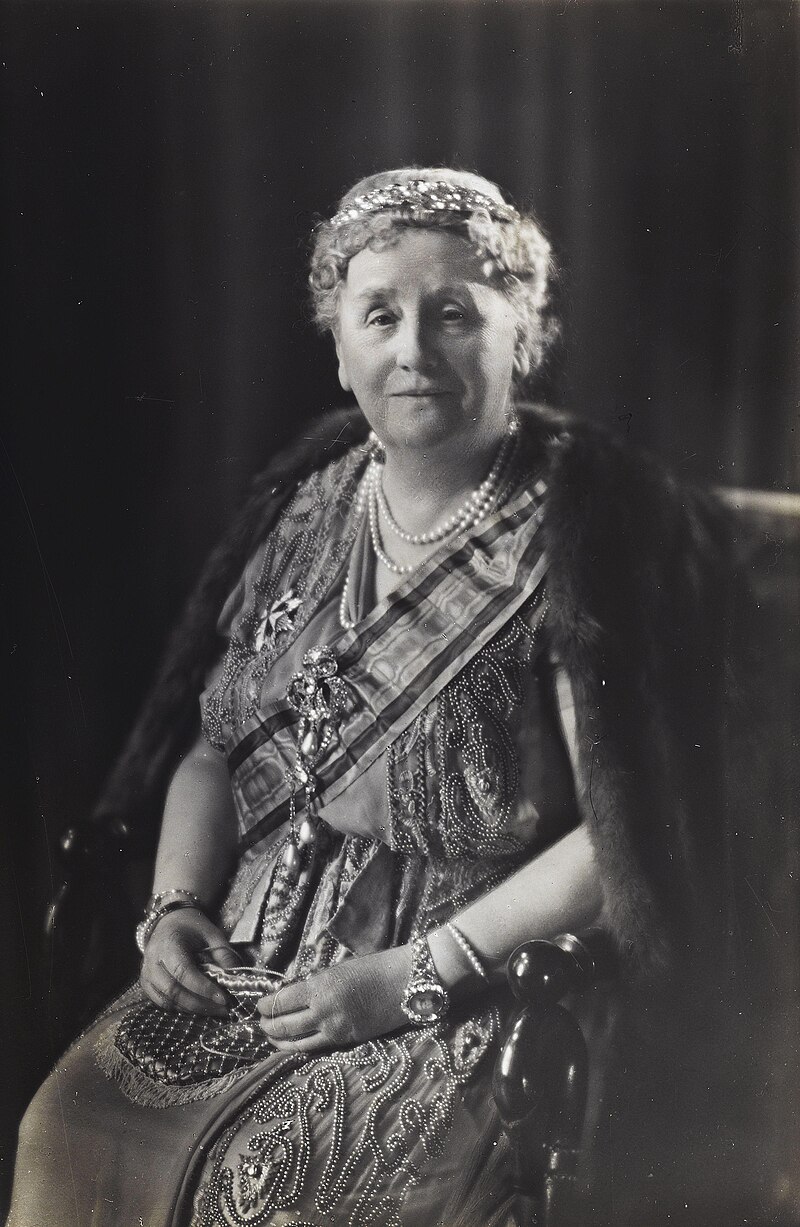
Queen Wilhelmina of the Netherlands remains one of the most fascinating monarchs of the twentieth century—not just for her longevity on the throne, but for the wealth she amassed and the influence she wielded in both politics and finance. Born in 1880, she came to power remarkably young, ascending the throne at only ten years old after the death of her father, King William III. For the first eight years, her mother, Queen Emma, acted as regent, and carefully prepared her daughter for a life of leadership. Wilhelmina ruled for nearly six decades, all while building a fortune that made her the world’s first female billionaire.
Her early years as queen coincided with an era of rapid global industrialization, and Wilhelmina understood, perhaps better than many of her contemporaries, how power was shifting not only in governments but in markets. She inherited considerable wealth, but what set her apart was her sharp instinct for investment. She placed a particularly strategic bet on oil, becoming a major stakeholder in Royal Dutch Petroleum, which would eventually form part of Royal Dutch Shell. It was a choice that secured her staggering financial returns, as oil became the lifeblood of modern economies in the twentieth century.
Nor did she stop there. Wilhelmina made sure her portfolio was broad, reaching into real estate, banking, and other industrial ventures. She was easily one of the most financially savvy figures of her time. By the middle of the century, her personal fortune surpassed the billion-dollar mark—a milestone that carried symbolic as well as practical significance, breaking barriers for women in spaces traditionally dominated by men.
Yet Wilhelmina’s reign was not defined only by her wealth. She became a crucial figure in Dutch identity during one of its darkest hours. When Nazi Germany invaded the Netherlands in 1940, she fled to Britain, establishing a government-in-exile in London. Her role in those years transformed her from a distant monarch into a unifying force for an occupied nation.
Even beyond the war, she was deeply invested in her people’s welfare. She used her influence to press for reforms and backed philanthropic efforts that left a lasting imprint on Dutch society.
By the time she abdicated in 1948, Wilhelmina had left behind a model of leadership that was both pragmatic and deeply human.
Wilhelmina’s reign is remembered as one of unity, stability, and vision—and her financial achievements remain an emblem of what sharp judgment, discipline, and determination can achieve. In the history of both monarchy and finance, she stands apart.



