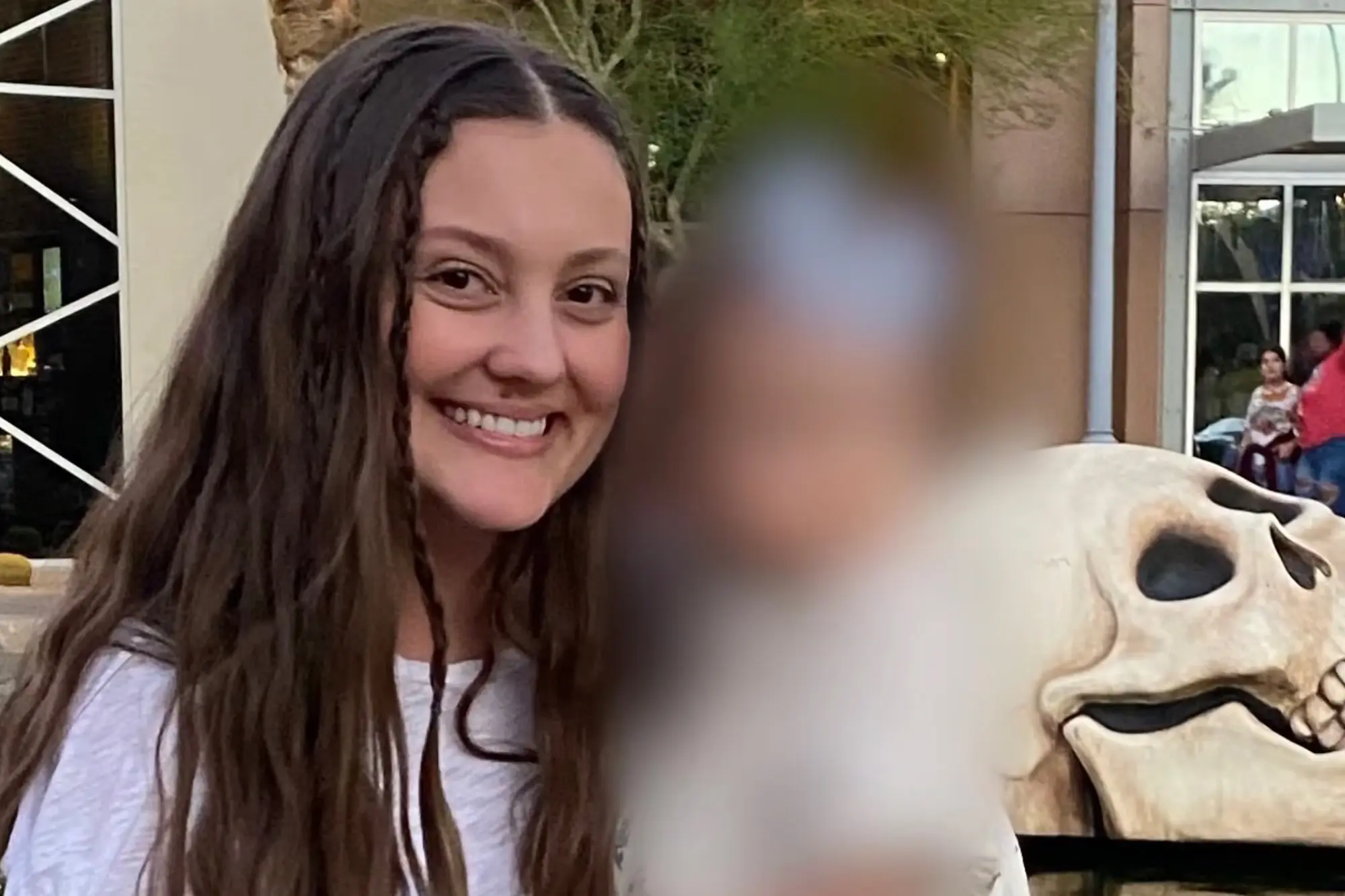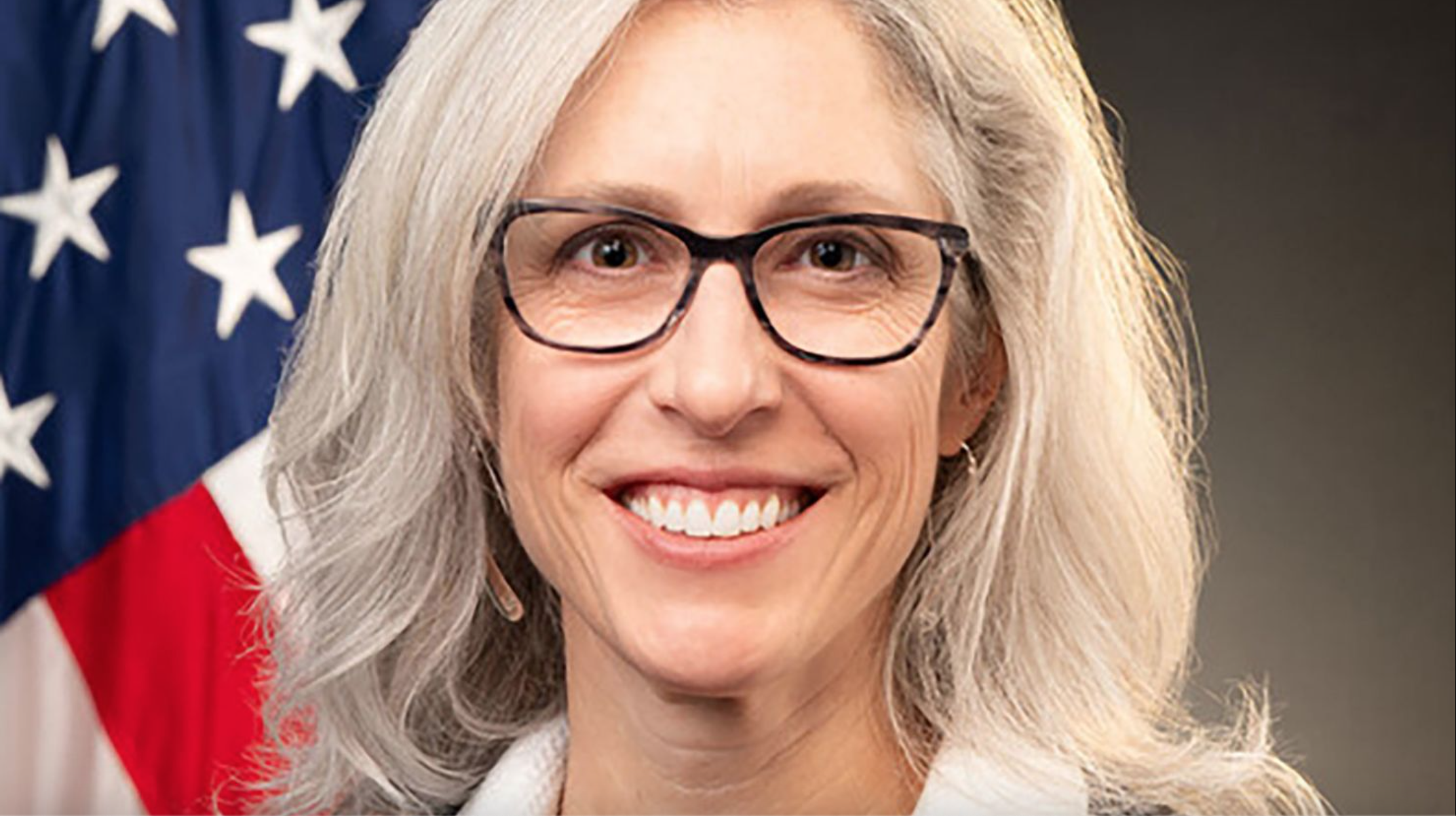
The Centers for Disease Control and Prevention has endured some turbulent months, but this week may have marked a breaking point. On Wednesday night, the White House abruptly announced it had fired Dr. Susan Monarez, the newly installed director of the CDC. Hours later, her lawyers pushed back, insisting the dismissal was both unlawful and politically motivated.
The drama unfolded in real time. Health Secretary Robert F. Kennedy Jr., who appointed Monarez only a month earlier, summoned Monarez twice in recent days, demanding she resign and accusing her of leaking to Congress. When she refused, he pressed the White House to act. At 9:30 p.m., a Trump spokesman declared Monarez was “terminated.” By midnight, her lawyers countered that no such order had come from the president himself, and therefore had no legal force.
Monarez’s case is unusual. Unlike her predecessors, she was confirmed by the Senate, meaning her position technically rests with the president, not the health secretary. That distinction has left her lawyers arguing she cannot simply be fired at Kennedy’s request. They framed the episode as more than an internal squabble, calling it part of a larger dismantling of public health institutions and the dangerous politicization of science.
The chaos at the top has already reverberated through the agency. Four of the CDC’s most senior leaders resigned in protest this week, including officials who ran its vaccine safety division and public health data office. Colleagues described them as “the best of the best,” experts who guided the nation through anthrax, swine flu, opioid epidemics, and the Covid crisis. To lose them all at once, said former leaders, is to weaken the country’s defenses at a moment when trust in public health is already under siege.
This turmoil comes on the heels of a terrifying attack earlier this month, when a gunman opened fire on CDC headquarters in Atlanta, killing a police officer and shattering the sense of safety for employees. Many inside the agency faulted Kennedy for failing to address the incident promptly and for continuing to spread vaccine skepticism, which they believe stoked the anger that led to the shooting.
Kennedy, who has long cast doubt on vaccines, has also reshaped policy inside the agency. He has unseated members of advisory committees, installed vaccine opponents in key positions, and pushed for access to sensitive federal databases to pursue discredited theories about autism. For scientists at the CDC, the direction of travel is clear: evidence is being sidelined in favor of ideology.
Monarez, the first nonphysician to lead the CDC in more than 50 years, has become the latest flashpoint in that fight. Morale has plummeted, leadership has thinned, and confidence in the agency’s independence is eroding.
For an institution tasked with protecting Americans from infectious disease, the crisis effects more than people working at the CDC. As one former director put it, “We should all be scared about the nation’s health security.”