
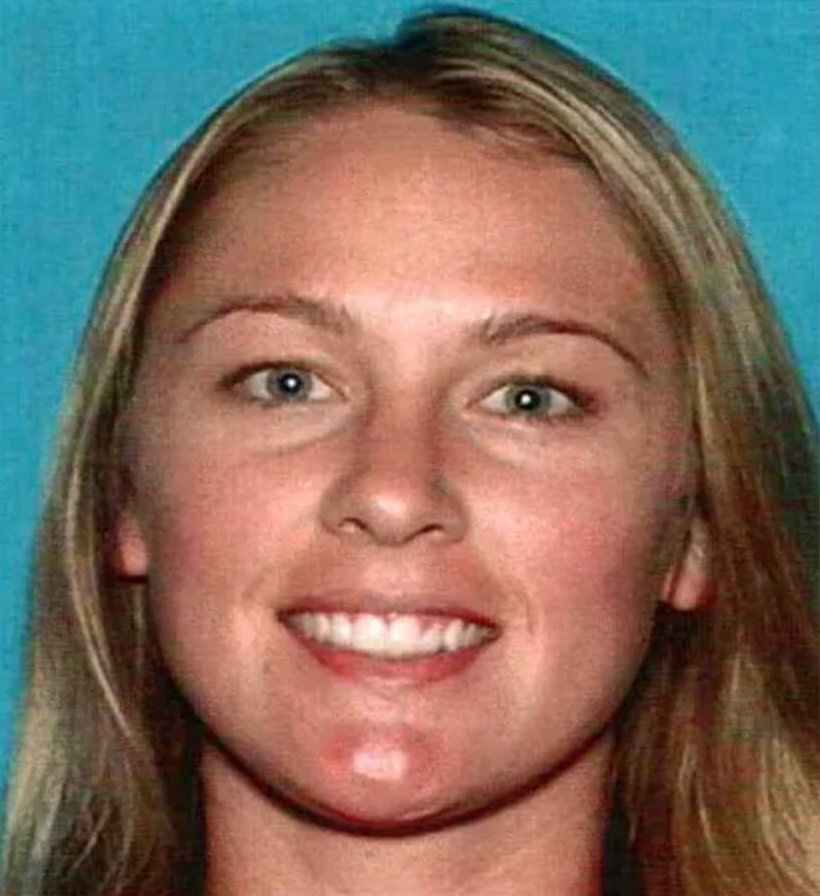
Nearly a decade after their lives were turned upside down, Denise Huskins and Aaron Quinn are stepping back into the spotlight. This time, though, they aren’t being accused of lying about a crime that really happened—they’re working with law enforcement to prevent the same mistakes that turned them from victims into suspects.
Their ordeal began in March 2015, when Matthew Muller broke into Quinn’s Vallejo, California, home. Muller tied the couple up, drugged them, and kidnapped Huskins, before taking her captive in South Lake Tahoe. For two days, he demanded ransom while repeatedly assaulting her. During that time, police zeroed in not on Muller but on Quinn, interrogating him for hours using enhanced interrogation techniques – all in the name of getting a confession. They insisted Huskins was dead, pressured Quinn to admit to killing her, and dismissed evidence that might have led them to Muller sooner.
When Huskins resurfaced alive, law enforcement doubled down, holding a press conference to suggest the couple had staged a “Gone Girl”-style hoax. The damage was devastating. Huskins and Quinn became pariahs, taunted by the public, and haunted by the idea that their attacker was still free. Muller went on to commit additional crimes before a rookie detective in Dublin, California, uncovered evidence tying him to Huskins’ kidnapping.
The release of Netflix’s American Nightmare in 2024 reframed their story for millions of viewers, laying bare not just the horror of Muller’s crimes but the deep failures of police and FBI investigators. The docuseries also raised larger questions about the traditional “confession-driven” interrogation methods that shaped the Vallejo investigation.
Now, Huskins and Quinn are trying to make sure no one else goes through what they endured. In partnership with El Dorado County District Attorney Vern Pierson, they’ve become advocates for “science-based interviewing,” an interrogation approach that relies on open-ended questions, rapport-building, and careful comparison of statements to evidence rather than coercion. Pierson argues that the method is not only more ethical but also more effective, avoiding the tunnel vision and confirmation bias that plagued the Huskins case.
Quinn has shared clips from his 18-hour interrogation, which are now used in training to show the flaws of the old model. Detectives lied to him, isolated him, and minimized the crime, telling him they knew Huskins’ death was “an accident.” He resisted confessing, but many others in similar situations haven’t. False confessions are a factor in nearly a third of wrongful convictions later overturned by DNA.
For Huskins, the damage was twofold: the trauma of the kidnapping itself, compounded by the public shaming that followed. “The public shaming was even more traumatizing and devastating for us than the kidnapping itself,” she has said.
Still, she and Quinn have chosen to use their experience as a teaching tool. Working with Pierson and police chief Nick Borgess of Seaside, California, they’ve helped train officers, even eliciting further confessions from Muller after his conviction. California has made science-based interviewing the standard for new detectives, though broader legislation mandating the training for all officers was vetoed by Governor Gavin Newsom in 2021 over cost concerns.
Quinn and Huskins insist the cost of wrongful convictions far outweighs the price of reform. They plan to continue pushing for change, not just for themselves but for the victims whose voices have been silenced by flawed interrogations.
As Huskins put it recently, “This can be and should be a really good learning opportunity.” Ten years after their nightmare, she and Quinn are still demanding accountability—and this time, the system is finally listening.



