
President Donald Trump’s latest executive order has set off a familiar debate in Washington: whether the act of burning the American flag is protected expression or a crime worth punishing. On Monday, Trump signed an order that calls for a mandatory year in jail for protesters who desecrate the flag. He also directed Attorney General Pam Bondi to aggressively pursue prosecutions and even expand penalties to include revoking visas or immigration benefits for foreign nationals caught in flag-burning demonstrations.
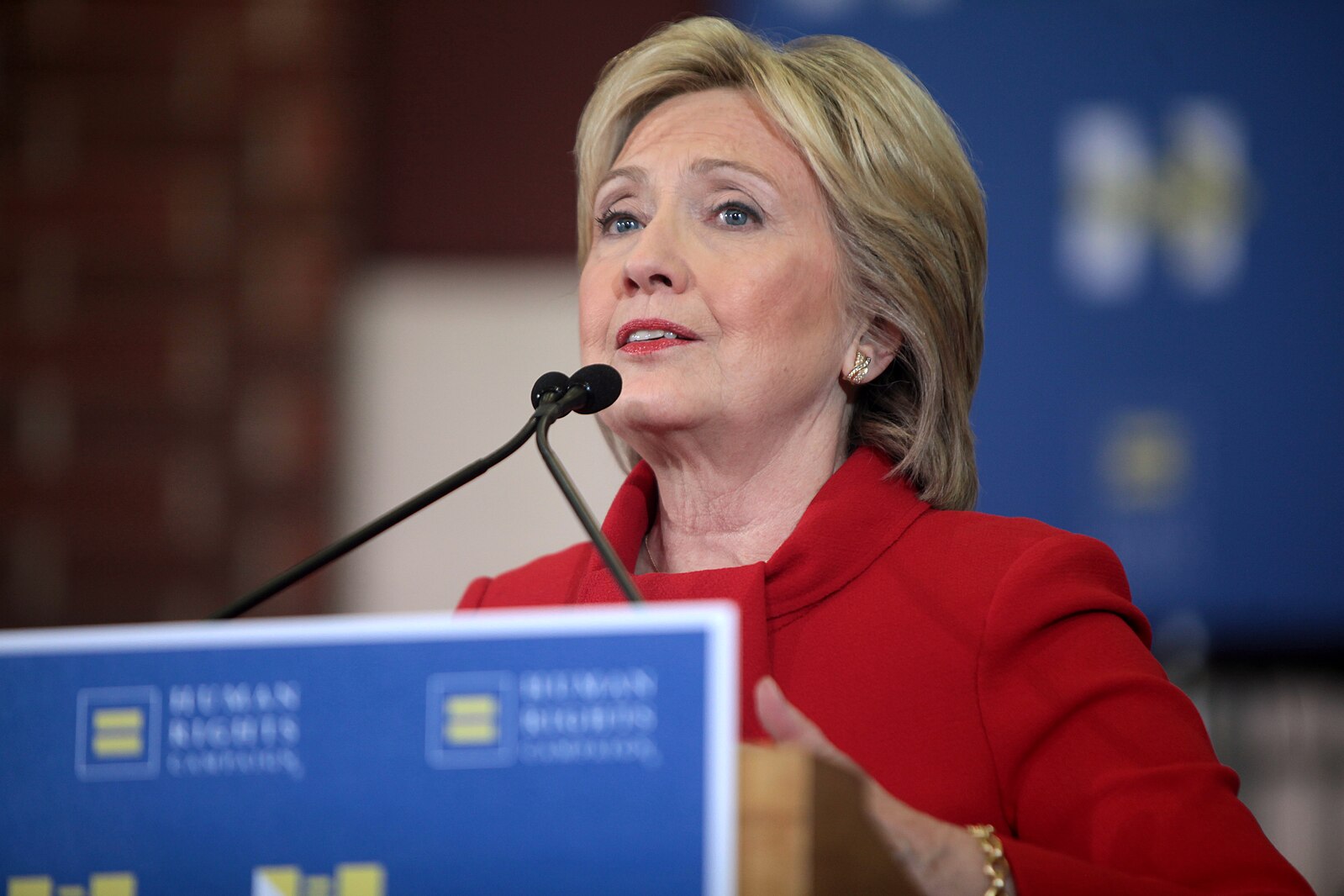
The move immediately drew criticism from Democrats, many of whom framed it as an assault on free speech and a political ploy to fire up his base. But the renewed outrage also brought a reminder of how unsettled this issue has been in American politics for decades. A clip resurfaced this week of then-Senator Hillary Clinton, back in 2006, making the case for nearly the same type of restriction.
Clinton, speaking from the Senate floor during a debate over the “Flag Protection Act,” said she hoped lawmakers could “pass a law that criminalizes flag burning and desecration.” She even drew a parallel to the Supreme Court’s 2003 ruling in Virginia v. Black, which held that burning a cross with the intent to intimidate could be criminalized.
That position came at a time when efforts to amend or legislate around the First Amendment were not uncommon. After the Supreme Court’s 1989 decision in Texas v. Johnson, which ruled that flag burning was protected speech, Congress attempted multiple times to carve out exceptions. Those efforts never fully stuck, but the cultural fight over the flag endured.
Trump’s order goes further than many previous proposals by mandating jail time and expanding penalties to immigration status. The Supreme Court has consistently held that political expression, however offensive, enjoys broad constitutional protection, which makes it unlikely that this Executive Order will withstand legal scrutiny. Still, Trump appears willing to test those limits, banking on the current Court’s openness to executive power.
The resurfacing of Clinton’s remarks shows just how complicated the debate ver flag-burning will always be. While Democrats now mock Trump’s order as authoritarian, their own leaders have at times leaned into patriotic symbolism to show toughness on cultural issues.
For Clinton, her words in 2006 were part of a broader effort to emphasize respect for national symbols in the years after 9/11. For Trump, the executive order is a fresh attempt to turn cultural grievance into political capital. And once again, the First Amendment is caught in the middle.



