
The World Cup is supposed to be a celebration — the world’s biggest sporting spectacle, arriving in the United States in just over a year. But instead of focusing solely on the games, lawmakers in Washington are tangled in a fight over visas, embassies, and how exactly to welcome the millions of visitors expected to arrive.
Congressional representatives have pressed Secretary of State Marco Rubio to overhaul and speed up the visa process, and with less than a year before the tournament, it may already be too late. The 2026 FIFA World Cup is set to be the largest in history, featuring 48 nations and 104 games. And while Canada and Mexico will host a handful of matches, the U.S. will carry the heaviest load — 78 games across 11 cities, including eight at SoFi Stadium in Los Angeles. The economic impact is staggering: nearly $4 billion nationwide, with Southern California alone expected to bring in close to $600 million.
Yet the system designed to get visitors into the country is already stretched thin. Visa wait times in six countries are longer than the countdown to kickoff. Rubio’s proposal to trim costs by closing consulates and cutting staff could make those delays worse, leaving tens of thousands of seats empty and billions of dollars on the table.
At the White House earlier this month, President Trump convened the first meeting of a new task force overseeing preparations. Framed as “the biggest, safest and most extraordinary soccer tournament in history,” the meeting drew both fanfare and questions about how welcoming the administration actually intends to be.
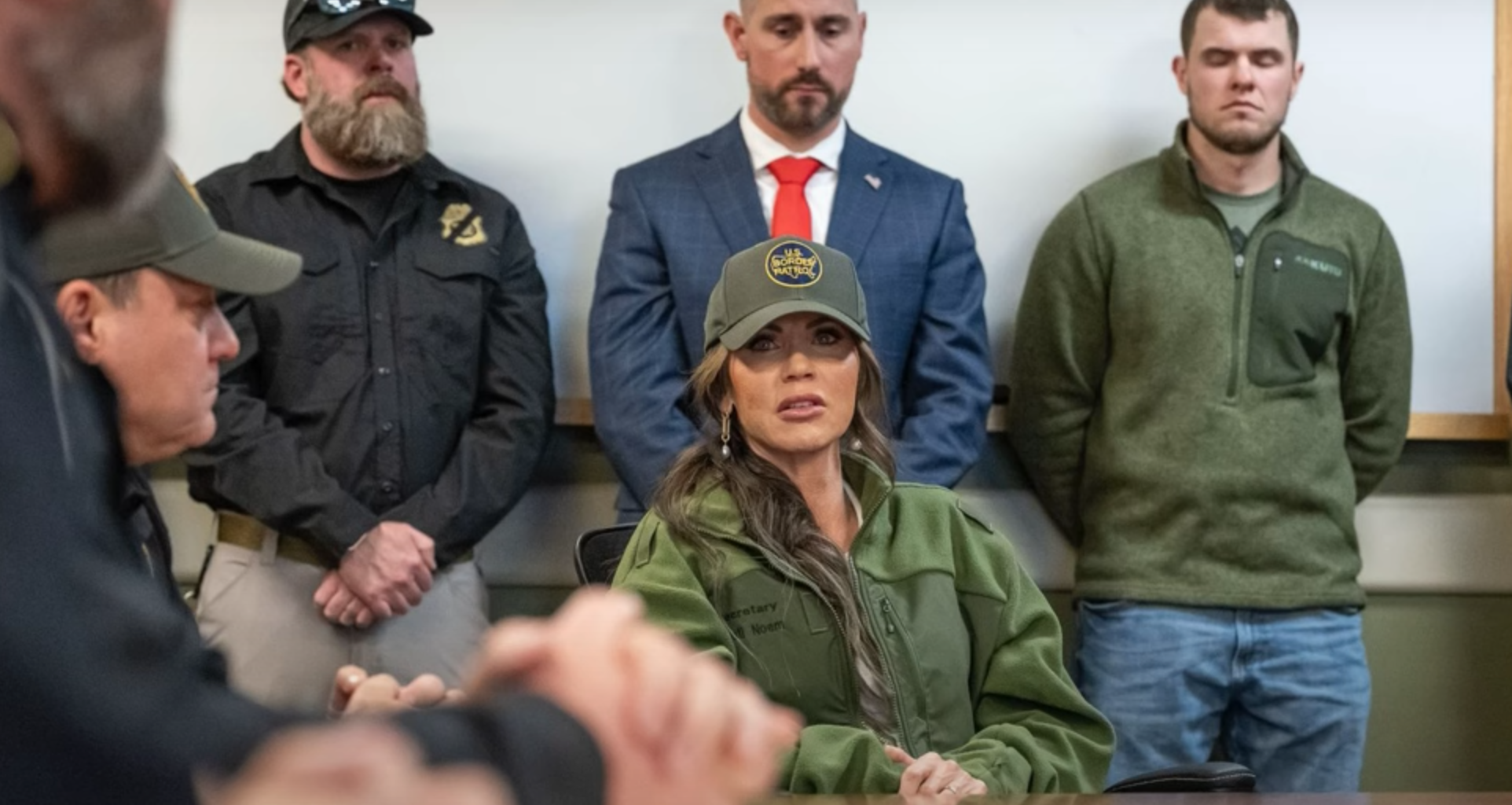
Homeland Security Secretary Kristi Noem loomed in the background of that debate. Vice President JD Vance, co-chair of the task force, told FIFA president Gianni Infantino and other attendees: “We want [foreign visitors] to come, we want them to celebrate, we want them to watch the games. But when the time is up we want them to go home, otherwise they will have to talk to Secretary Noem.”
“The economic stakes of these games are significant for red and blue districts nationwide,” Rep. Sydney Kamlager-Dove wrote in her letter urging Rubio to act. “But the success hinges on the State Department’s ability to efficiently process visas.”
For now, the message from Congress is simple: hire the staff, streamline the process, and treat these tournaments not just as games, but as a test of American diplomacy.



