
With Bryan Kohberger now sentenced to life without parole for the 2022 murders of four University of Idaho students, the story of the crime that devastated the college town of Moscow has entered a new and more complicated phase. The plea agreement that spared him the death penalty ended the trial that might have answered lingering questions — but it also opened the door to a fresh battle over how much of the case the public will get to see.
Just hours after the 30-year-old criminology graduate student was sentenced, the Moscow Police Department released hundreds of documents from its investigation. Many of the records give insight into Kohberger’s behavior before and after the killings, and many of them focus on how he treated his students while working as a teaching assistant. Of course, there are many gruesome details of the crime scene, as well as accounts of former friends and aquantainces who note how manipulative he could be.
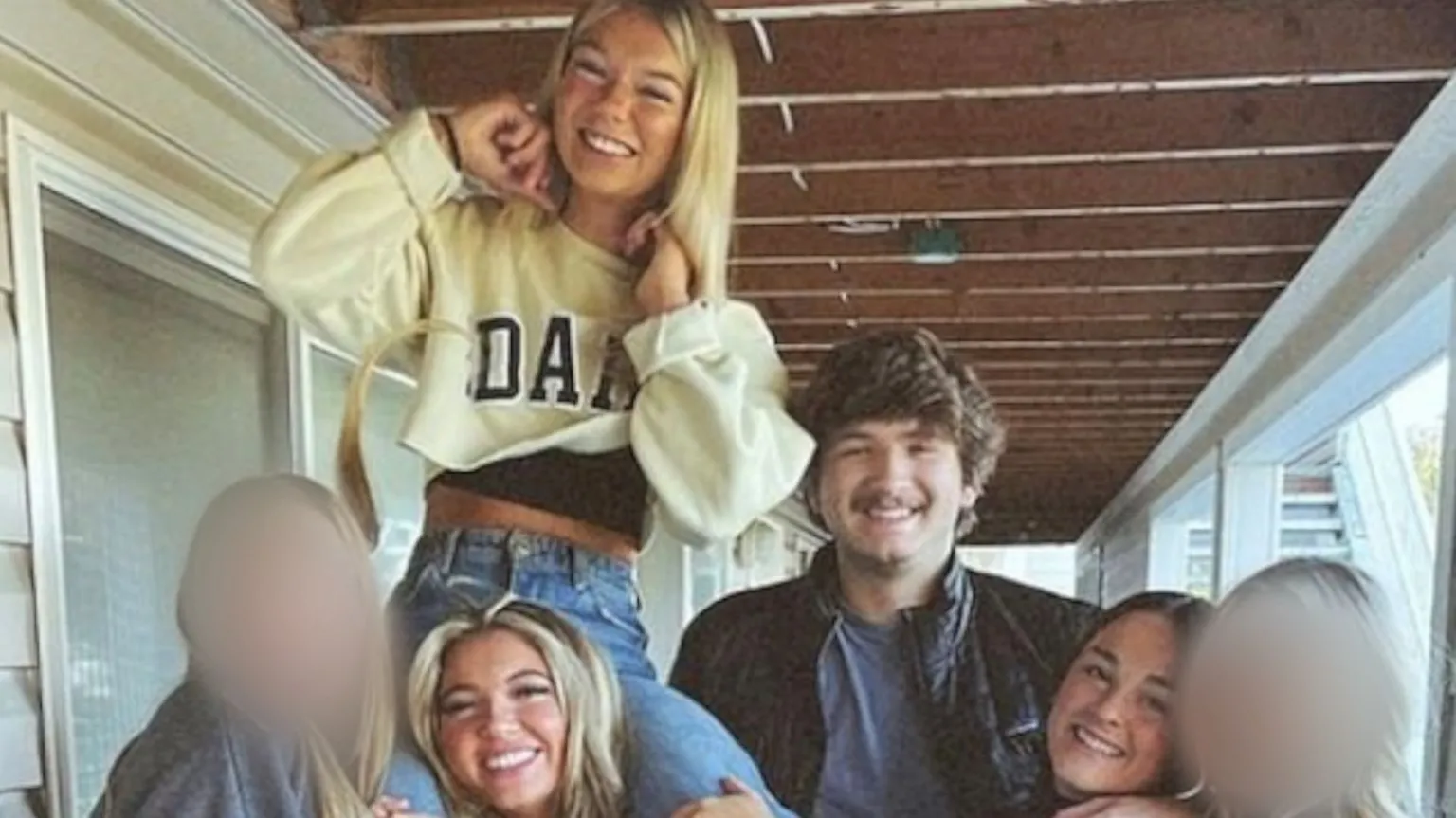
The documents describe the scene waiting for the officers at the King Road house in November 2022, where Kaylee Goncalves, Ethan Chapin, Xana Kernodle, and Madison Mogen were found stabbed to death. One officer wrote that it was “obvious an intense struggle had occurred,” while another recalled being unable to comprehend the injuries he was looking at. Surviving roommates reported strange noises, seeing a masked figure, and initially not realizing what had happened until friends arrived the next day and spotted dried blood.
Other records detail Kohberger’s first interview after his arrest, in which he cut off questioning and asked for a lawyer, as well as accounts of his time in the Latah County Jail. Inmates reported he took long showers, washed his hands compulsively, and stayed awake most of the night, often talking for hours with his mother over video calls.
Still, many of the most sensitive records remain sealed. Judge Steven Hippler, who oversaw the case, has said the court will now begin reviewing those documents on a rolling basis, balancing public interest with the privacy of the victims and the due process rights of the defendant. Even though Kohberger waived his right to appeal as part of his plea deal, the law gives him the option to request one anyway, and that possibility has slowed the timeline for disclosure.
Legal experts say that while it is unlikely Kohberger would risk reopening his case — and therefore the death penalty — he could still file post-conviction motions, arguing ineffective counsel or other procedural issues. Those motions are common, and though they rarely succeed, they extend the life of a case in the courts.
For the victims’ families, the absence of a trial means many of their questions may never be answered. Why these students? Why this house? And why were two roommates spared? The documents released so far have provided glimpses, but little clarity.



