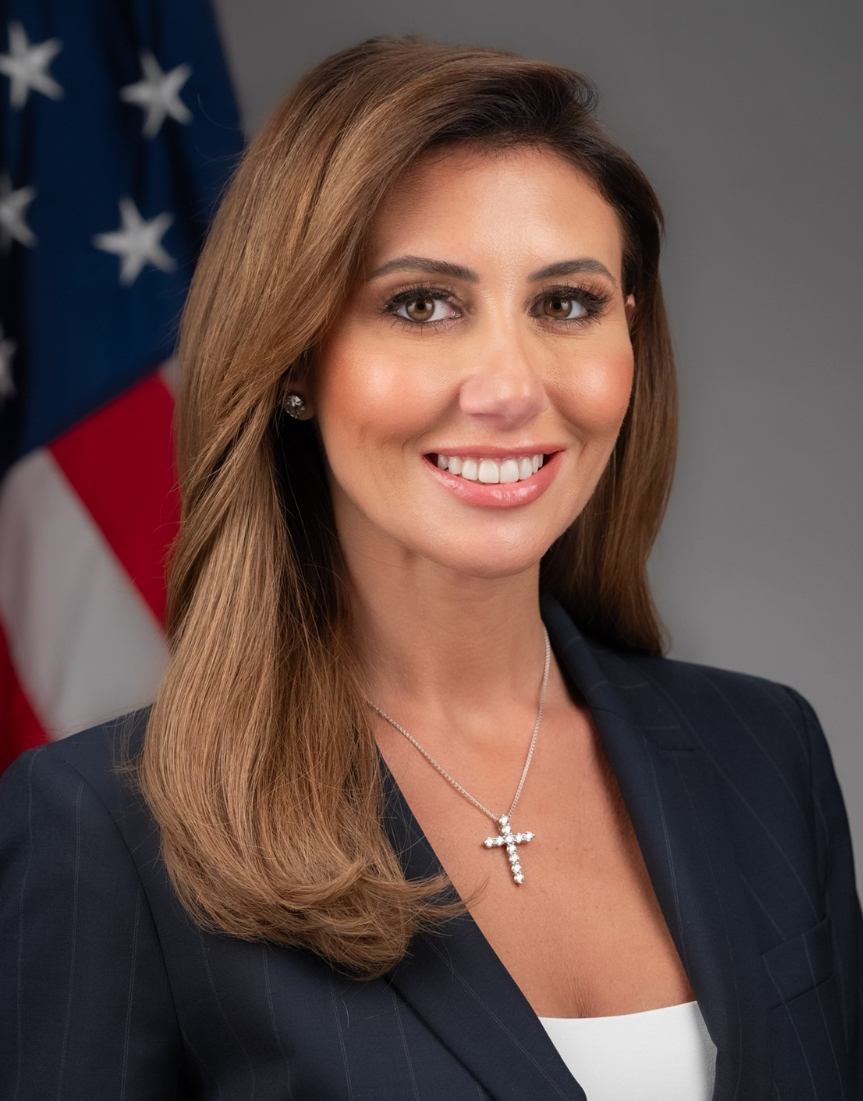
Alina Habba is not backing down. Days after a federal judge ruled that her appointment as acting U.S. attorney for New Jersey was unlawful, she appeared on television to declare that she “won’t be intimidated” by Senate leaders or the long-standing tradition they are defending.
All of this is happening over a fight about the Senate’s “blue slip” practice. It gives home-state senators the ability to veto presidential picks for federal judges and U.S. attorneys. While it’s not a law, it is something that’s done regularly, and it’s been seen as customary for decades. “Blue Slipping” isn’t used ad nauseam, but both parties use this influential tool from time to time.
For Habba and her allies, including Donald Trump, the custom has become an unacceptable roadblock. “This tradition that Senator Grassley is upholding effectively prevents anybody in a blue state from going through into Senate to then be voted on,” Habba told Maria Bartiromo on Sunday Morning Futures. “Senator Booker and Senator Kim had absolutely every right to vote no for me for the U.S. Attorney position. But I had the right as the nominee to get in front of Senate and to be voted on, to be vetted. I never even got there.”
New Jersey’s Democratic senators, Cory Booker and Andy Kim, both objected to her nomination, ensuring it would never advance. Judiciary Chair Chuck Grassley (R-Iowa) has stood firm on preserving the tradition, even as Trump and Habba ramp up public criticism. Trump, in a July post on Truth Social, accused Democrats of using the process to block “great Republican candidates” and chastised Grassley for refusing to abandon it. Grassley pushed back, saying he was “offended” by Trump’s remarks and disappointed by the personal insults.
The standoff underscores a tension within the GOP: while Trump and his loyalists see the blue slip as a weapon used by Democrats in blue states, many Republicans recognize its value when the balance of power shifts. Senator Thom Tillis (R-N.C.) has already said he would honor objections from home-state senators even if the procedure were overturned.
Habba’s own path has been especially turbulent. After being tapped as acting U.S. attorney in March, her 120-day term expired over the summer. District Court judges then appointed her first assistant, Desiree Leigh Grace, to serve instead. Attorney General Pam Bondi fired Grace soon after, and Trump reinstalled Habba, a maneuver a federal judge has now deemed unlawful. The ruling casts a shadow over her tenure: any case she has touched since July 1 could potentially be declared void.
For Habba, the controversy is less about process and more about politics. “The truth is it has nothing to do with the work that we’re doing, it has nothing to do with the crime that we’re stopping,” she told Bartiromo. “It has to do with trying to prevent President Trump from continuing his agenda, and it has to stop.”
The future of her appointment remains uncertain. With the courts questioning her authority, the Senate refusing to move her nomination, and the tradition of blue slips unlikely to disappear, Habba is caught between a legal setback and a political standoff.