
A heated exchange on live television this week has sparked another round of debate about how Americans talk about race, history, and the media’s role in shaping both.
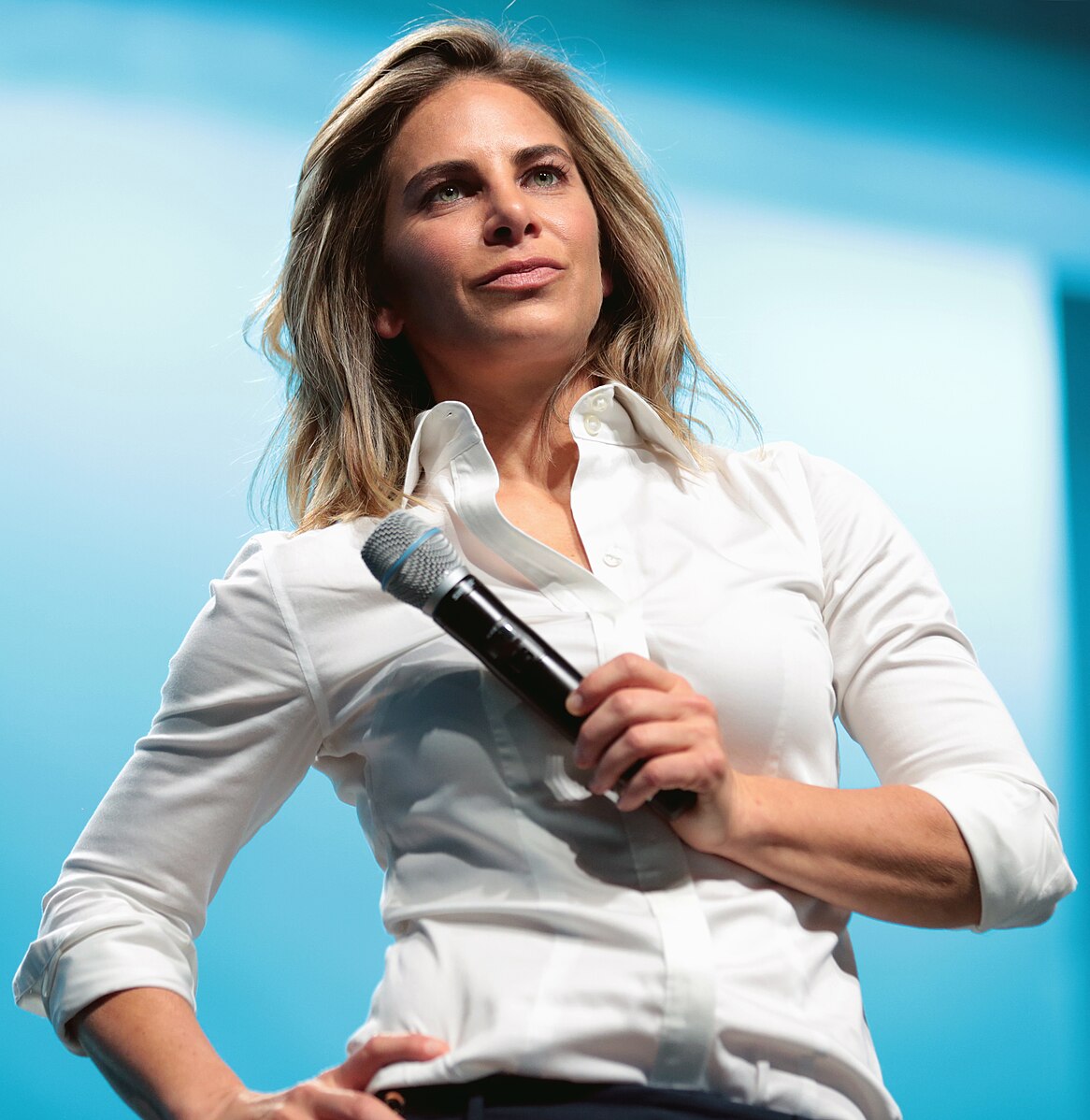
The back-and-forth began when fitness personality and podcast host Jillian Michaels, appearing on NewsNation, criticized CNN anchor Abby Phillip for what she described as mischaracterizing her comments during an earlier interview. Michaels argued that Phillip and Rep. Ritchie Torres had reframed a conversation about public exhibits and cultural narratives into a debate about slavery—an issue, Michaels said, she had not raised at the time.
“I turned around and said he’s not trying to whitewash slavery,” Michaels said of her original remarks about the Trump administration’s criticism of certain Smithsonian exhibits. “But once slavery came up, the narrative was set.”
Michaels, whose comments came in the context of a discussion about how schools and museums present history, said her point was not to minimize slavery but to argue that both its horrors and the efforts to end it should be taught. “There were great evils and there were dark chapters,” she said. “But there were good guys. They came together to overcome it.”
Her remarks were met with pushback from Phillip, who had accused Michaels of downplaying slavery’s central role in American history. On NewsNation, Michaels accused Phillip of trying to shut down debate by calling her a racist. “When you don’t like an argument, you call it racist just to silence people,” Michaels said.
The exchange quickly spilled into broader territory, with Michaels criticized what she described as “race-baiting” in the media by arguing that framing every incident through the lens of white supremacy risks creating hostility that feeds itself. “When you make everything about white supremacy you get white hostility, which in turn gets white degeneracy.”
This fight shows the intensity of the division between Americans as we dive head long into the mid-term elections. Phillip’s line of questioning showed that she understands journalism’s responsibility to center slavery when discussing U.S. history. That being siad, Michaels’ response echoed the growing frustration with media shorthand that reduces complex issues to accusations of bigotry.
The one thing we can takeaway from this is that for the time being our conversations about complex issues like race are going to be raw. In a country still grappling with its past, who controls the narrative is as contentious as the history itself.



