
The Justice Department is set to begin releasing long-awaited Jeffrey Epstein records this week, and already the battle lines are clear: how much will the public actually get to see?
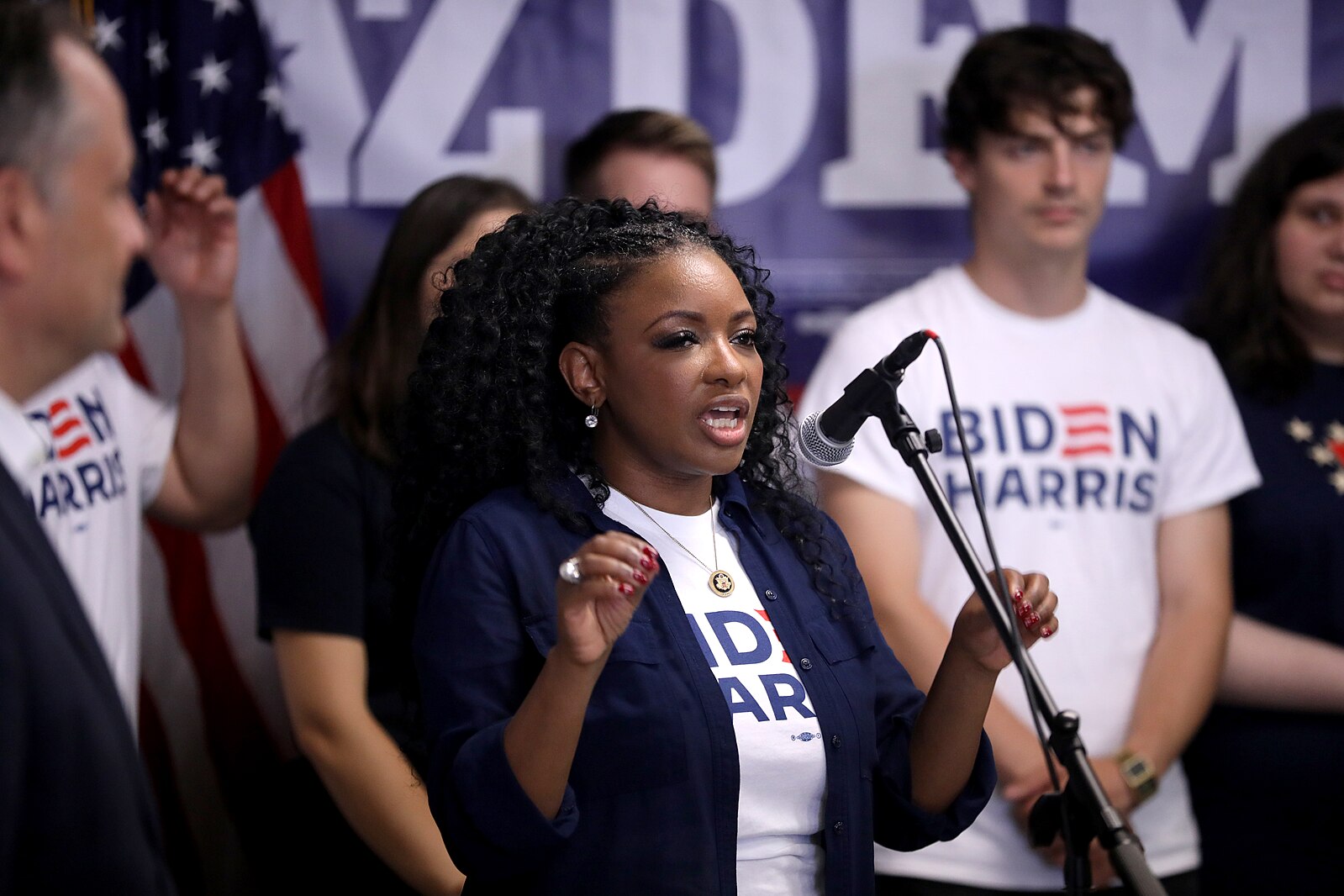
Rep. Jasmine Crockett, a Democrat on the House Oversight Committee, said she hasn’t been given a timeline for when the documents will be made fully public, but made it clear she wants no part of a slow roll-out. “We’re going to do everything that we can to make sure that there’s some real transparency,” she said, adding that too often this administration has “tried to brush things under the rug.”
The department has promised to start turning over records on Friday, with some redactions. But Crockett, echoing a number of lawmakers across the political spectrum, says that’s not enough. “The American people are asking for transparency because they want to know who these child rapists are,” she said.
On social media, Crockett went further: “DOJ owes us the Epstein files beginning tomorrow. All of them, client list included, no delays, no redactions, no excuses. Anything less is a cover up.”
That uncompromising stance drew tough follow-up questions. If the department hands over unredacted documents, Congress and its staffers—not exactly famous for keeping sensitive information under wraps—would have direct access to names tied to one of the most infamous sex abuse scandals in recent memory. Asked about that, Crockett didn’t back down. “Congress is supposed to be a place that can be trusted with this type of information,” she said, while acknowledging the risk that some members or aides could mishandle it.
The biggest tension is between transparency and privacy. Victims’ names, Crockett stressed, should not be made public. But when it comes to the men who paid for Epstein’s services, she says Americans have a right to know. “I don’t know what it is that you’re trying to delete if I can’t see what’s deleted,” she said. “No, we need the full unredacted versions turned over.”
For Crockett and her allies, the broader issue is trust—or the lack of it. They accuse Attorney General Merrick Garland of protecting the White House instead of the Constitution. And without full disclosure, Crockett argues, any redaction will be read as another attempt to cover up a scandal that has haunted American politics for nearly two decades.
The first batch of records is expected Friday. Whether they bring clarity—or ignite a fresh wave of outrage—depends entirely on how much light the Justice Department is really willing to let in.



