
Netflix’s Fit for TV: The Reality of The Biggest Loser has sparked a storm around one of the most famous weight-loss shows in American television history, reigniting old questions about how far reality TV is willing to go in the name of entertainment.
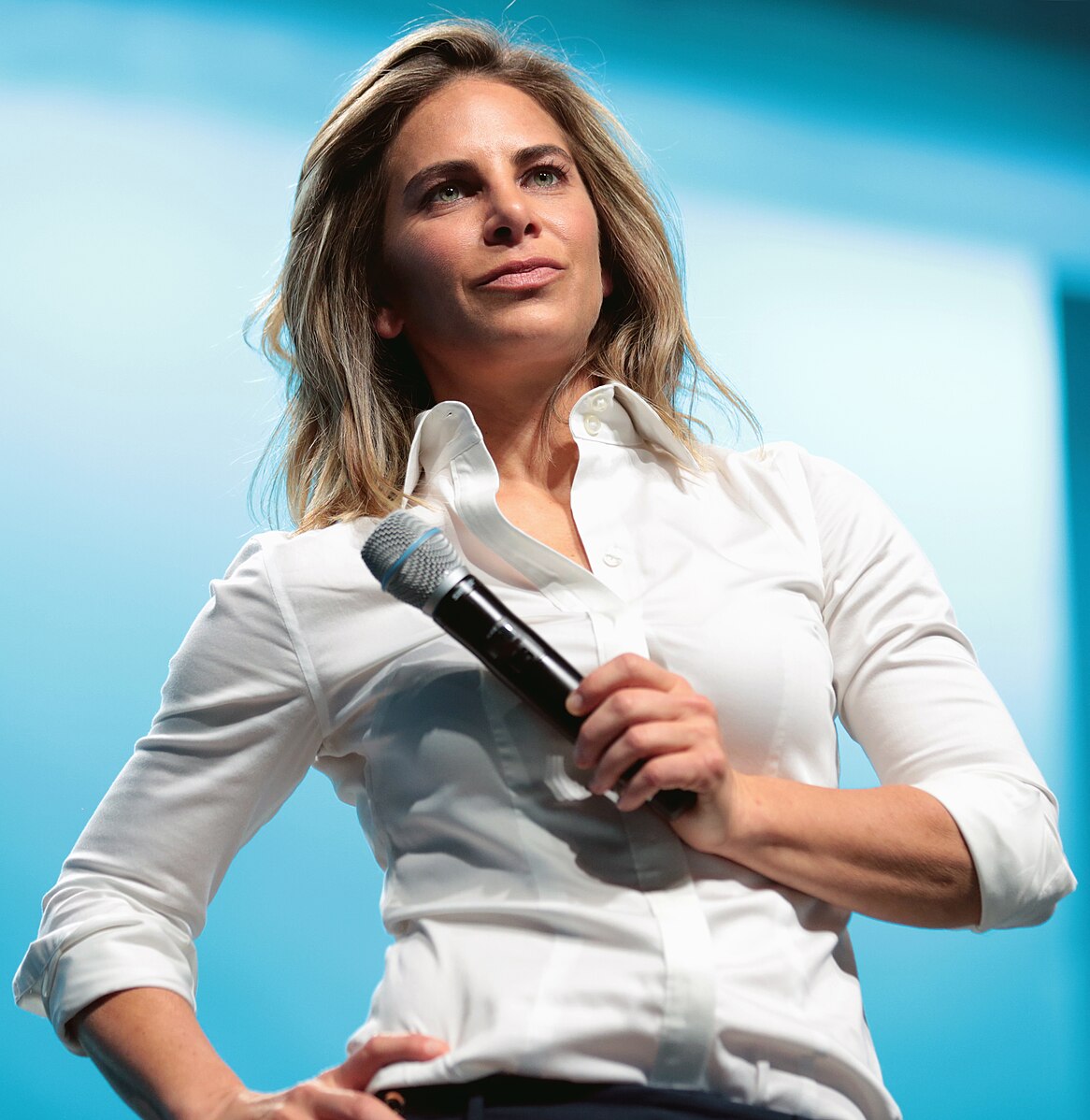
The documentary peels back the curtain on The Biggest Loser, a series once celebrated for its inspirational transformations but long criticized for its extreme and, at times, humiliating methods. Contestants were pitted against each other to shed as much weight as possible, often under punishing regimens led by hard-driving celebrity trainers. The new documentary suggests the methods went further than the public ever knew — and it directly implicates Jillian Michaels, the show’s most recognizable face.
In Fit for TV, Michaels is accused of allowing contestants to take caffeine pills ahead of weigh-ins, a practice medical advisors on the show claim was against the rules. Michaels, who declined to appear in the series, has now pushed back hard against that portrayal. According to reporting from TMZ, the 51-year-old trainer has even met with attorney Bryan Freedman, known in Hollywood for representing high-profile figures in defamation and contract disputes, to explore a potential lawsuit against Netflix, her fellow trainer Bob Harper, and the show’s longtime medical advisor, Dr. Robert Huizenga.
On Instagram, Michaels posted what she says are receipts proving caffeine pills were not only allowed but actively distributed on set. She shared screenshots of emails she claims are between herself, Harper, producers, and Dr. Huizenga’s staffer, Sandy Krum. In one message, Michaels alleges, Harper himself suggested a particular brand of “stackers fat burner.” She says she pushed back, preferring her own brand because it was “cleaner” and contained only 200 milligrams of caffeine — the equivalent of a strong cup of coffee.
“Caffeine was NEVER banned on The Biggest Loser,” Michaels wrote. “Wild how some folks still lie like it’s 1985 before texts and email were a thing.”
She also resurfaced an old text message she says she sent Harper in 2014, expressing frustration that he was ignoring her calls. “It’s this kind of thing that always makes me so disappointed [in] our relationship,” she wrote. Michaels says that was the second-to-last text she ever sent him, a signal that their once-close bond had frayed.
In the Netflix documentary, Huizenga offered a very different view. “Caffeine, a weight-loss pill, was absolutely against everything in the show,” he said on camera. “It was in the show rules, and the patients signed off to that and the trainers signed off to that.”
The contradiction between Huizenga’s description of the rules and what Michaels insists is true is more than just a documentary glitzing up facts. If Michaels is being honest about her receipts this could be a major issue for the documentary, and possibly Netflix.
Whether Michaels follows through on her threat to sue, the controversy shows that decades into the reality TV phenomenon we’re still dealing with the human toll creating spectacle out of someone’s real life can leave behind. It’s genuinely sad that something created to be uplifting is now marred by mudslinging.



