
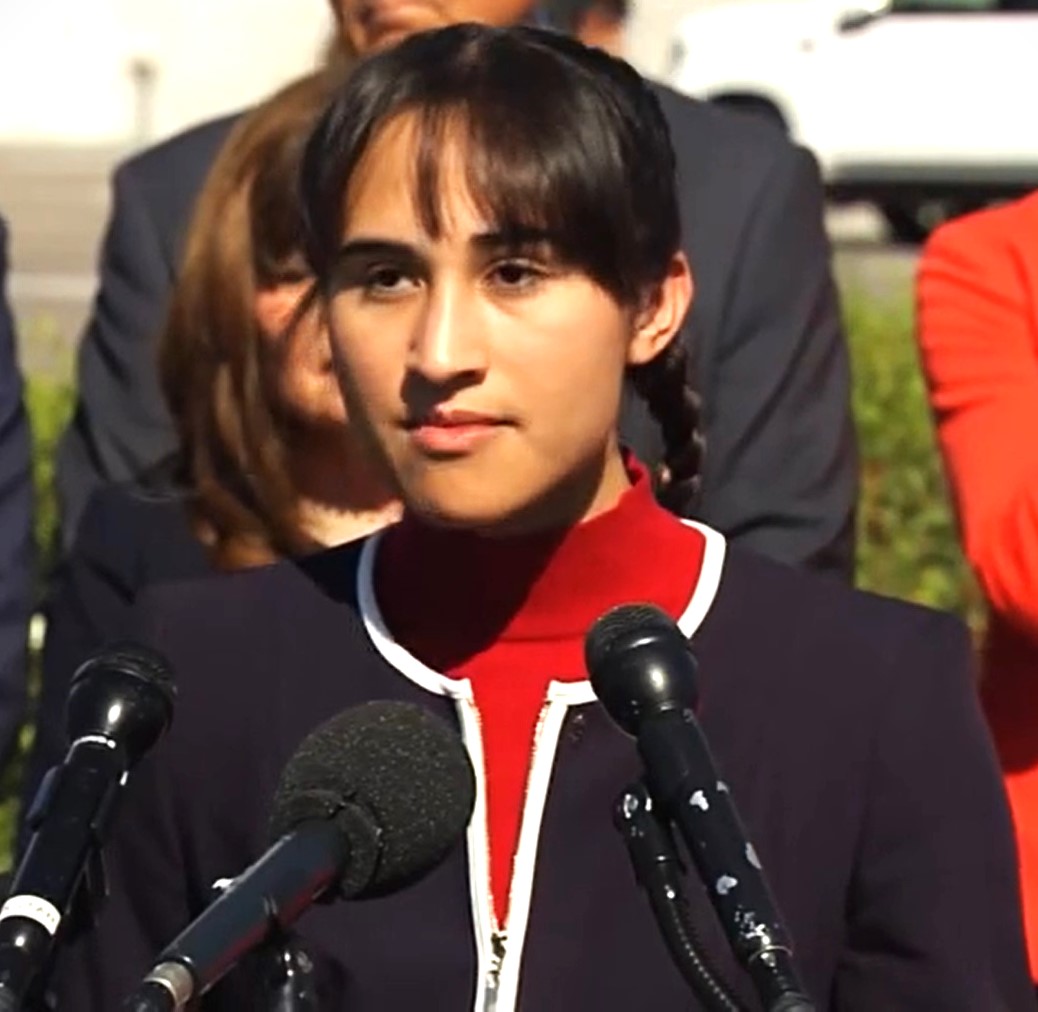
Chloe Cole is just 21 years old, but her story has already become one of the most visible — and polarizing — in the country’s ongoing debate over gender-affirming care for minors. A California native, Cole began identifying as transgender at 12. By 13, she was on puberty blockers. At 15, she underwent a double mastectomy. But only a year later, she says, regret set in. She decided to detransition, returning to life as a young woman and eventually becoming a prominent activist against gender-related medical interventions for children.
Cole’s journey has unfolded in public. She’s testified before state legislatures, spoken at rallies, and filed a lawsuit against her former health care provider, Kaiser Permanente, claiming she was misled about the permanence and risks of her treatments. She describes her experience as one of being pushed too quickly, too young, into life-altering medical decisions. “I was grieving my breasts,” she recalled in a recent interview, “I just wanted to live a normal life as a woman again.”
She turned her grief into activism. Cole now advocates for bans on gender-affirming care for minors, aligning her with a growing political movement at both the state and federal levels. In January, President Trump signed an executive order cutting off federal funding for hospitals that provide puberty blockers, cross-sex hormones, or surgeries to patients under 19. Kaiser, along with several other major institutions, has since announced a halt on such procedures for minors — a development Cole has called a “massive cultural change,” though she insists a pause isn’t enough. She wants gender affirming care for minors to be banned nationwide, permanently.
Her critics, including major LGBTQ organizations, argue Cole’s story is being weaponized to roll back access to care for thousands of young people who say such treatments have been life-saving. The Southern Poverty Law Center recently added her to its “hatewatch” list, describing her as part of an anti-transgender extremist network. Cole brushes that off as a smear. “There’s nothing hateful about speaking in favor of the rights of children to be loved the way that God beautifully made them and to grow up without being experimented on by predatory hospital systems,” she said.
Is she a political tool or a courageous truth-teller? However you look at it, Cole’s voice is now part of the chaotic echo chamber about this issue that’s taken grasp of national politics. At a moment where the policy on gender affirming care is changing rapidly it’s hard not to see this as adding to the noise. In Europe, countries like Sweden and the UK have already scaled back access to youth gender clinics, citing insufficient evidence of long-term benefits. In the United States, lawsuits like Cole’s — and her very public testimony — are fueling similar re-evaluations.
Beyond the politics, Cole emphasizes her faith. She describes her detransition not just as a medical or personal reversal but as a spiritual awakening.
Her goals now are both ordinary and ambitious: she wants marriage, children, a stable home life — and to keep pressing her case in public. Whether one sees her as a cautionary tale, a crusader, or a controversial figure, Chloe Cole has become impossible to ignore in the most heated debates of America’s culture wars.



