
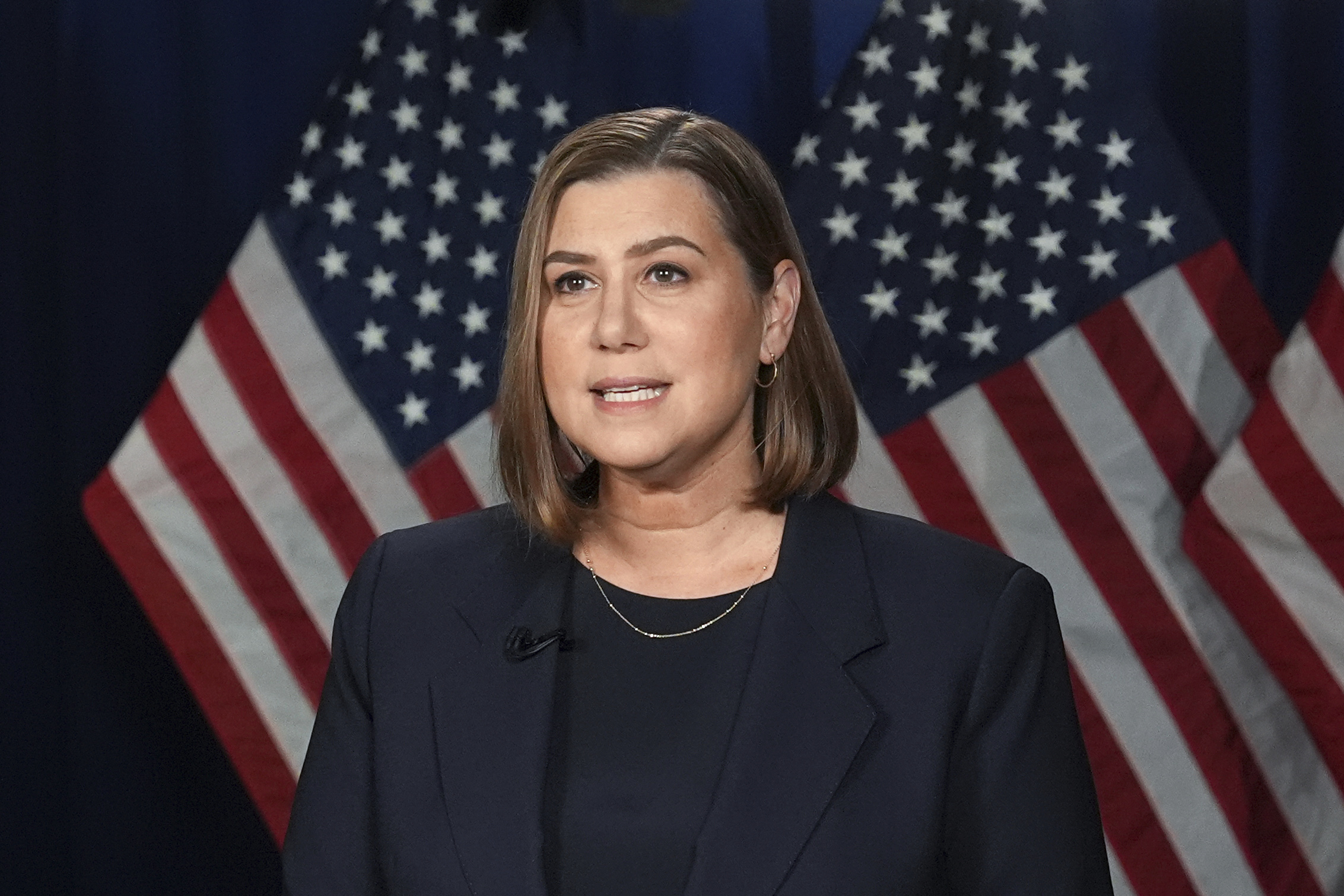
Senator Elissa Slotkin didn’t mince words when she met with reporters this week, laying out in stark terms what she sees as the looming fallout from President Trump’s so-called “Big Beautiful Bill.” When it comes to Michigan, she said the numbers are a nightmare. The state’s hospitals are bracing for a $6 billion loss over the next decade. But the bigger picture, Slotkin argued, is what that means in practice — rural hospitals shuttering maternity wards, cancer patients losing access to lifesaving drugs, and families everywhere paying more for insurance they already can’t afford.
“When you tell a rural hospital they’re going to lose money, they start cutting services,” Slotkin explained. “And when that happens, people are literally driving hours to give birth or to get basic care. That’s the reality.”
Slotkin pointed to conversations with doctors at Corewell Health, who described how medical research has transformed survival rates for childhood leukemia. A drug discovered in recent years has pushed the survival rate to 90 percent. But, she noted, federal research funding is being gutted by as much as 60 percent under the new law.
The concern stretches beyond Michigan’s borders. Cuts to Medicaid reimbursements, Slotkin warned, mean hospitals will shift costs to patients with private insurance. By her estimate, starting this fall, Michiganders will open letters from their insurers announcing premium hikes of 10, 15, even 20 percent. “I don’t know a single Michigander who thinks they’re paying too little for their health insurance,” she said.
The senator also highlighted the broader ripple effect. In the Upper Peninsula, where hospital coverage is already thin, losing even one emergency department could mean residents turning to Wisconsin for care. In Traverse City, she recalled, it was Munson Hospital that handled the victims of a mass stabbing at Walmart.
Legislatively, Slotkin said the next big test comes September 30, when Congress must pass a budget to keep the government open. She’s pushing for three priorities in any deal: restoring Affordable Care Act subsidies, halting Medicaid cuts, and replenishing funding for cancer research. Without that, she argued, the consequences will hit every household, from higher premiums to the erosion of local care.
To her colleagues, Slotkin ended the interview on this. “You know, I’m sorry that you voted for the bill in the first place without reading it, but if you’re willing to amend it and you want to have a real adult conversation, let’s kick out the media and really get to work.”



