
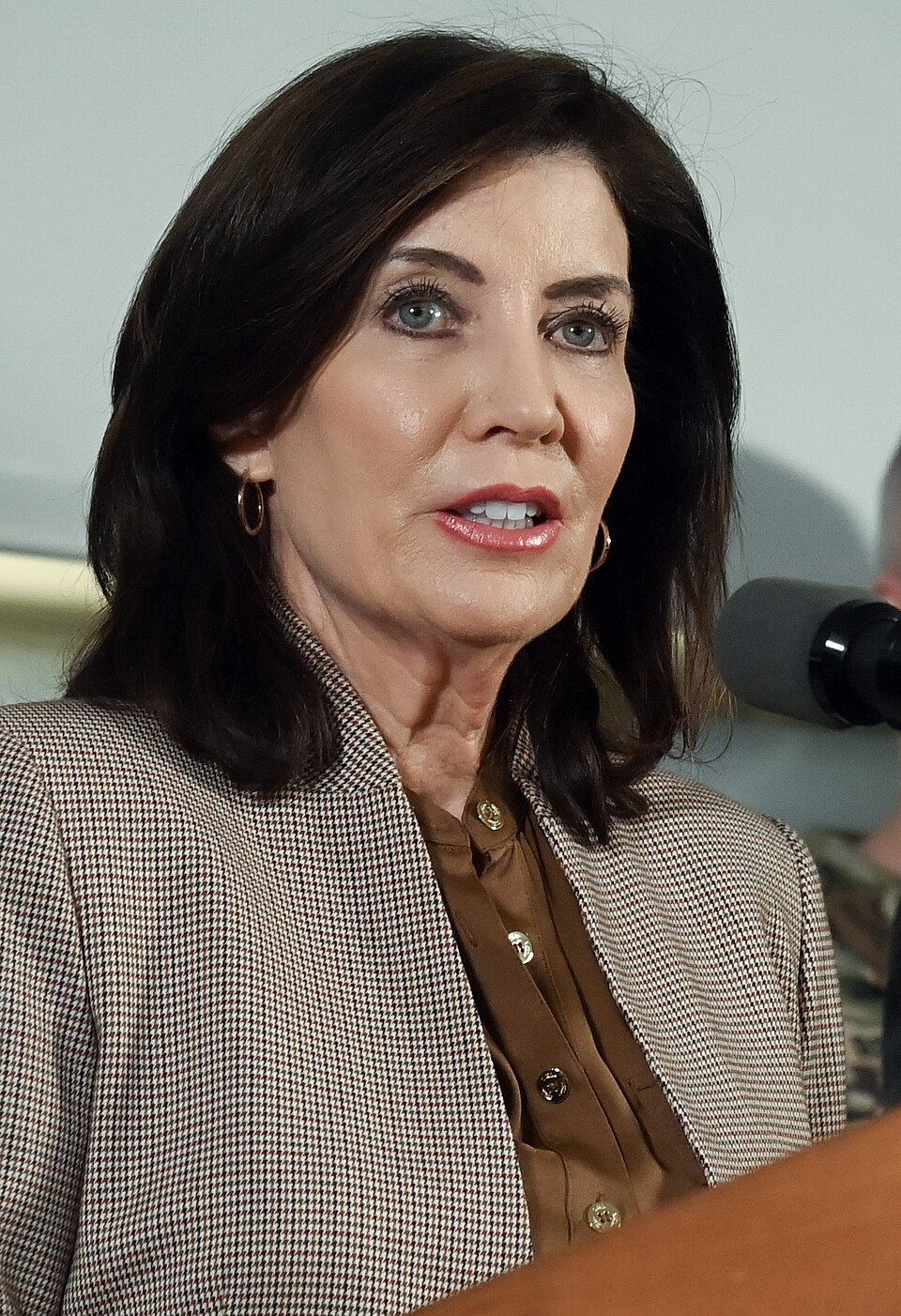
Governor Kathy Hochul is putting a spotlight on child hunger this summer, announcing that more than 1.6 million children in New York have already received food assistance through the state’s Summer Electronic Benefits Transfer program — a total of $194 million in aid so far.
The Summer EBT program, launched statewide in 2025, provides $120 per child to low-income families to help cover the cost of groceries during the months when school is out and free meals aren’t readily available.
“Summer is the hungriest time of year,” Hochul said, pointing out that when school cafeterias close, children from food-insecure households lose a critical source of nutrition. “Raising children has never been more expensive, which is why we’re continuing to put money back in the pockets of New York’s working families, and make investments in our children’s future.”
The governor highlighted how families can use the benefits with dignity and flexibility, shopping at their neighborhood grocery stores, greenmarkets, and even farmers markets — a design that not only feeds kids but also supports local economies.
Most families get the benefits automatically, but some still need to apply before the September 4 deadline. State officials are urging families to check their eligibility and take advantage of the program. Research has consistently shown that these kinds of benefits reduce child hunger and improve nutrition, with one USDA study finding a one-third reduction in the number of kids experiencing very low food security.
Barbara C. Guinn, commissioner of the state’s Office of Temporary and Disability Assistance, called the program “vitally important” for families who rely on school breakfast and lunch during the year. “Keeping children well fed during the summer months will help them stay healthy and return to school in the fall ready to learn,” she said.
Advocates echoed the point. Rachel Sabella, director of No Kid Hungry New York, said, “No parent should have to choose between paying bills and putting food on the table. The Summer EBT program helps make that possible.”
The program is projected to distribute more than $250 million in food assistance by the time summer ends, reaching an estimated 2.2 million children statewide. Benefits remain valid for 122 days after being issued, giving families time to use them, but officials are encouraging households to make purchases soon after receiving the funds.
For Hochul, the message was clear: fighting child hunger isn’t just about meals — it’s about giving families breathing room and kids the foundation they need to thrive.



