An 18-year-old Minnesota woman says a night out at Buffalo Wild Wings turned into a humiliating confrontation — and now the chain is facing a formal discrimination complaint.
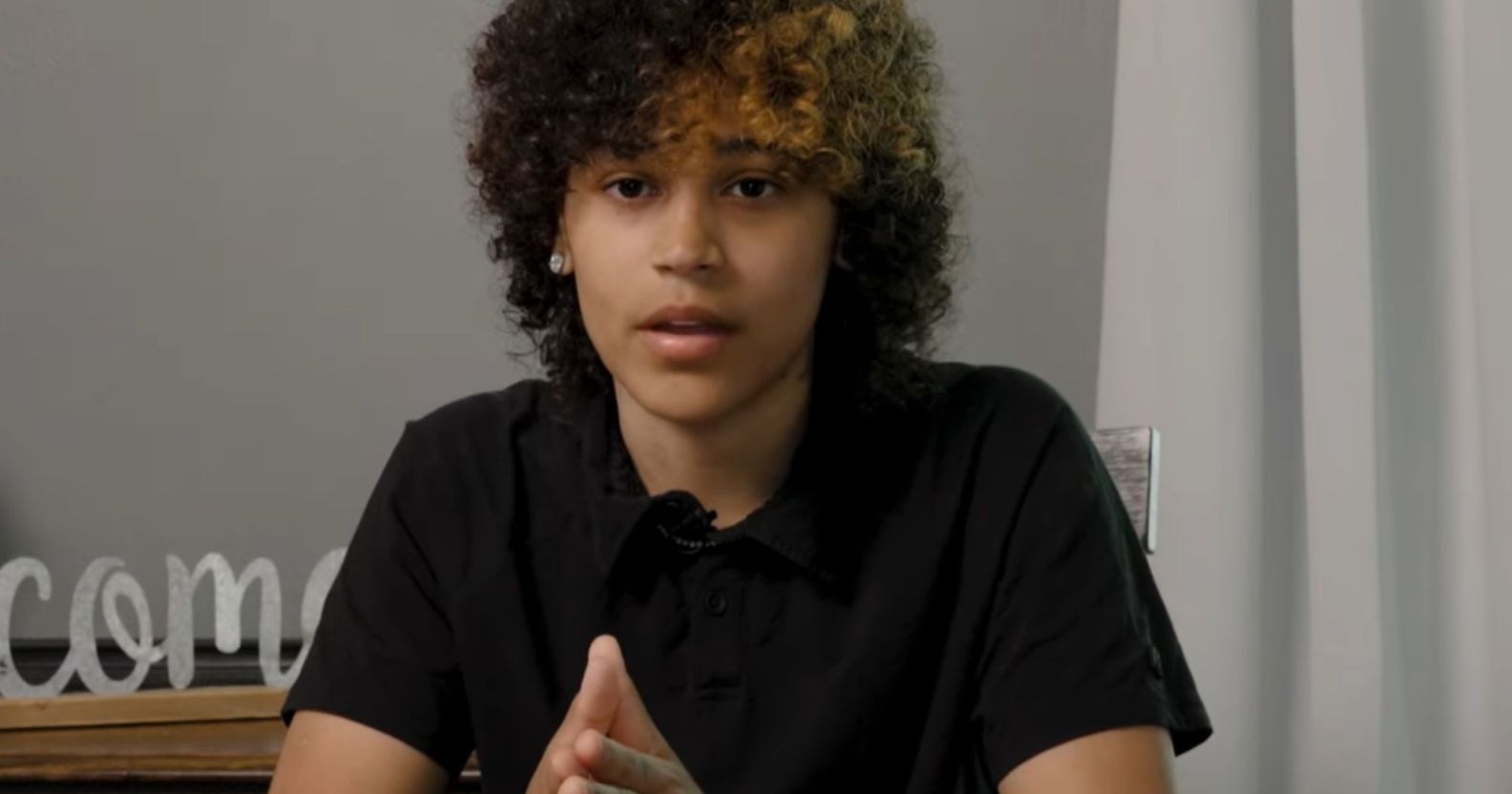
On Tuesday, Gerika Mudra filed a charge with the Minnesota Department of Human Rights alleging that a server at the Owatonna location followed her into the women’s restroom and demanded she “prove” she was a girl. The incident, which Mudra says happened in April, is now at the center of a case brought by Gender Justice, a Minnesota gender-equality group.
Mudra, who is a biracial lesbian and not transgender, told reporters she’s dealt before with people mistakenly assuming she’s in the wrong restroom. Typically, she said, a quick correction — “I’m a woman” — ends the matter. But this time was different.
According to the complaint, the server banged on her stall door and shouted, “This is a women’s restroom. The man needs to get out of here.” When Mudra came out and told the server she was a lady, the server allegedly responded, “You have to get out now.”
Feeling cornered, Mudra said she unzipped her hoodie to reveal her chest. The server left without another word. “She made me feel very uncomfortable,” Mudra said. “After that, I just don’t like going in public bathrooms. I just hold it in. I want to be able to use the bathroom in peace.”
Buffalo Wild Wings’ parent company, Inspire Brands, did not respond to requests for comment.
Sara Jane Baldwin, a senior attorney with Gender Justice, said the treatment Mudra received is exactly the type of stereotyping Minnesota law prohibits. The state’s Human Rights Act protects against discrimination not only based on gender identity and sexual orientation, but also against harmful assumptions tied to those characteristics.
“Businesses have a legal obligation not to just have anti-discrimination policies on paper, but to train staff and ensure those policies are followed in real time,” Baldwin said. “When that doesn’t happen, the business is liable for the harm caused.”
Advocates say Mudra’s experience isn’t isolated. Gender Justice called it part of a “broader climate of fear and suspicion” targeting anyone who doesn’t conform to narrow ideas of what women “should” look like. That climate, they argue, is fueled by a wave of legislation restricting trans people’s access to bathrooms and sports, even though Minnesota has not enacted such measures.
Similar incidents have surfaced nationwide in recent months — women harassed in public restrooms because strangers assumed they were transgender.
“This kind of gender policing is, unfortunately, nothing new,” said Megan Peterson, Gender Justice’s executive director. “And yet, in our current climate we have to ask: What if Gerika had been a trans person? Would this story have ended differently? That’s the terrifying reality too many trans people live with every day.”
Mudra’s case will now move through the state’s civil rights process, but she says the damage is already done. The bathroom, once an afterthought, has become a place to brace for confrontation — a shift she never asked for.