
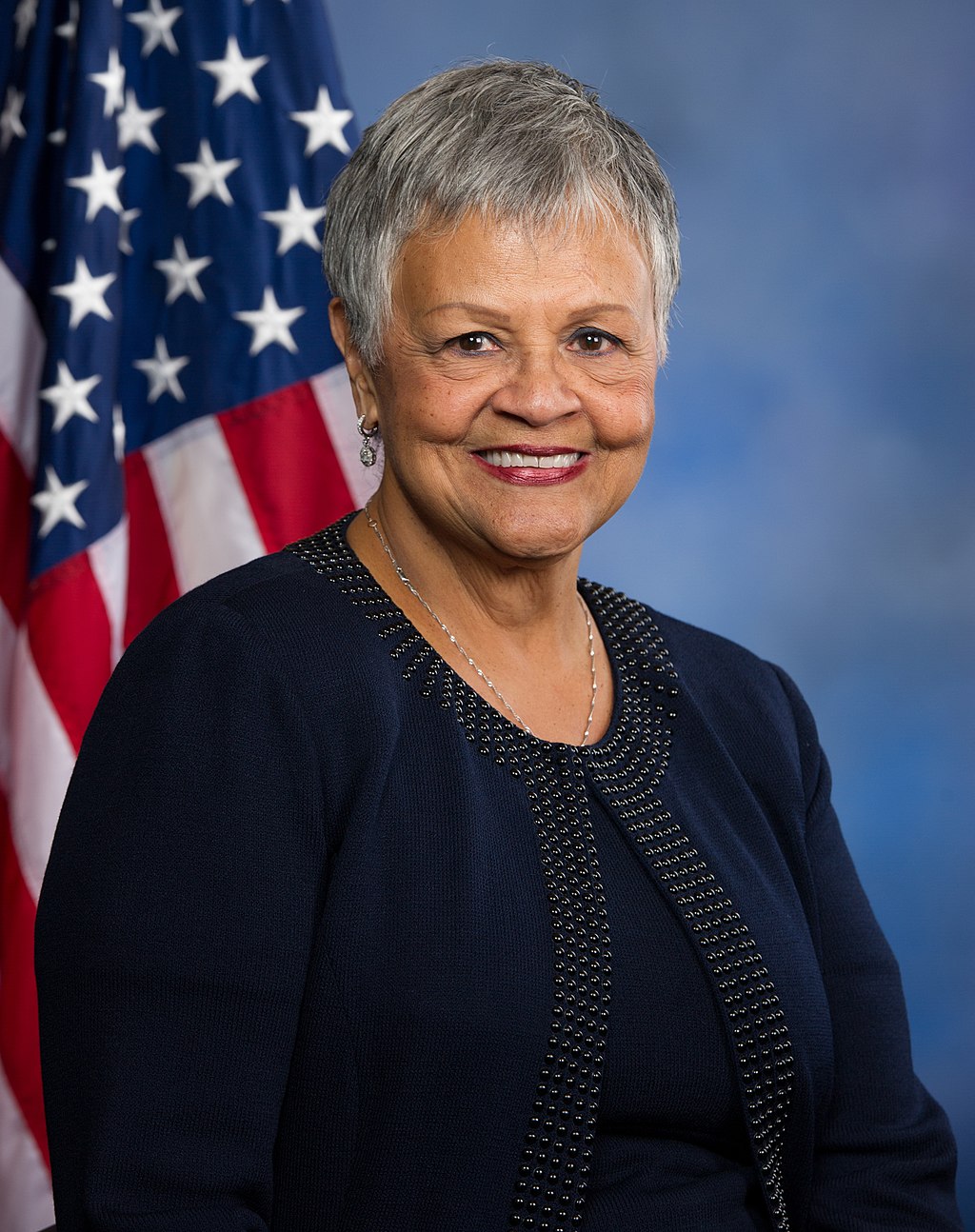
Representative Bonnie Watson Coleman of New Jersey delivered a blistering critique of proposed environmental spending cuts this week, calling them “a gift to corporate polluters” and warning they would jeopardize public health, accelerate climate damage, and dismantle critical protections for vulnerable communities.
Speaking on the House floor, Watson Coleman condemned provisions that slash the Environmental Protection Agency’s budget by 23 percent, including a $1 billion reduction to its science and research programs. She tied the proposed cuts to a broader pattern of regulatory rollbacks, noting they come at a time when climate change is driving increasingly frequent and destructive storms. Just last week, severe flooding in her home state claimed the lives of two constituents.
Her remarks came alongside the reintroduction of the WATER Act — the Water Affordability, Transparency, Equity and Reliability Act — which she is co-leading with Senator Bernie Sanders of Vermont and Representative Ro Khanna of California. That legislation seeks to invest $35 billion annually in water infrastructure, eliminate lead and PFAS contamination, and prevent water shutoffs for low-income households. Watson Coleman framed it as a necessary countermeasure to what she described as an “attack on essential water safety programs” from the Trump administration and its congressional allies.
Watson Coleman drew a sharp contrast between efforts to strengthen environmental safeguards and the pending spending bill’s effect on basic protections. She warned the cuts would make air and water dirtier, raise energy costs for working families, and strip away funding for environmental justice programs that help poor and minority communities resist industrial pollution. Without those programs, she said, corporate operators could pollute “to the CEO’s content” while residents suffer without recourse.
Her critique extended to public lands and natural resources. She argued the bill would pave the way for corporate exploitation by selling off public lands, defunding national parks, and leaving wildlife refuges understaffed. The long-term result, she said, would be diminished forests, fisheries, and natural beauty for future generations.
Watson Coleman also linked the proposed EPA cuts to a rollback in efforts to remove lead from drinking water pipes — a measure she said would reverse hard-won public health gains. Discussing recent water crisis in Flint, Michigan, and Jackson, Mississippi, she made the point that this isn’t just an issue in underfunded communities, but a national issues.
The congresswoman’s remarks underscored a core argument: environmental policy is inseparable from economic and public health outcomes. She described the proposed cuts as benefiting a small number of corporate interests at the expense of ordinary Americans, especially those least able to absorb the consequences.
Closing her speech, Watson Coleman urged her colleagues to reject the bill and “protect our environment and our country’s future.” In her view, safeguarding the land, water, and air is not only a moral imperative but a practical necessity for ensuring the safety, stability, and prosperity of generations to come.



