
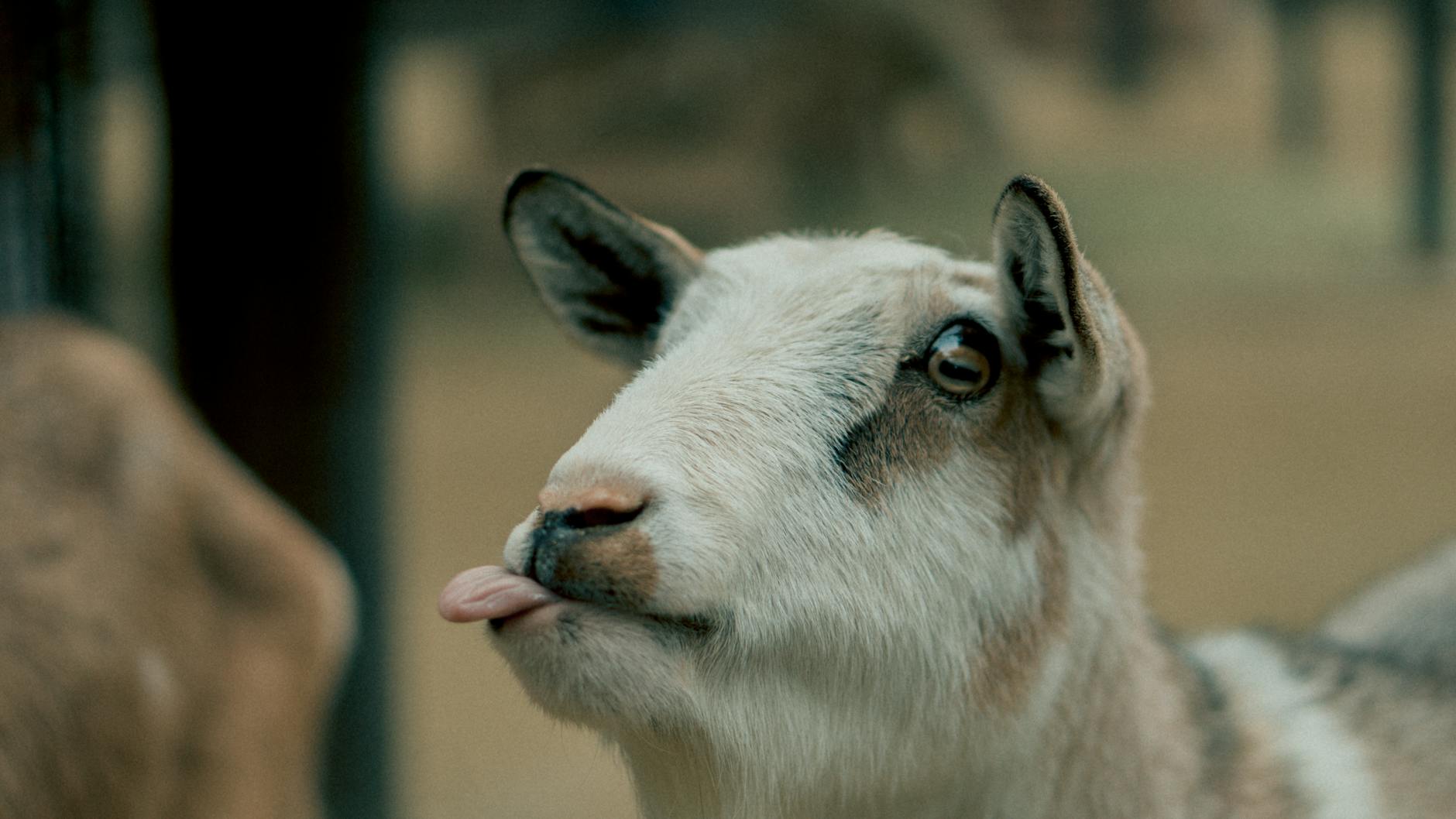
At the Academy at the Farm in Dade City, Florida, the end of the school day looks a little different. Instead of heading for sports fields or music rooms, many students head to the barn, where nearly 100 farm animals need to be fed, groomed, and cared for.
The public charter school, which serves pre-K through eighth grade, has made agriculture a central part of its curriculum, integrating it into science lessons from the earliest grades. Elementary students take part in monthly agriculture activities, and by sixth grade they can opt for daily classes. Agriculture science teacher Robin Carter says the goal is to deepen students’ understanding of where food and essential resources come from. By the time they graduate, she hopes they will be informed consumers who can, in turn, educate others.
Founded 23 years ago, the school was already academically strong before expanding its agricultural focus a decade ago. Today, it has 825 students, a waiting list exceeding 3,000, and a new high school set to open next year. The agriculture program is one reason for its popularity.
Retired director Ray Polk, who grew up on a cattle ranch nearby, says the program connects students to a disappearing way of life as suburban development replaces farmland. For some children, hands-on work with animals has also been transformative. Polk recalls students turning their days around after a few minutes in the barn, sometimes just by holding a baby goat.
Despite the emphasis on agriculture, the school remains focused on core academics — a necessity, Polk notes, because standardized tests measure math, reading, and writing, not the finer points of animal husbandry. The program is self-sustaining, funded by agricultural product sales and fundraising, with support from grants and donations for facility improvements.
The barn is managed by Tim Carter, Robin’s husband and a former P.E. teacher. Together, they developed a curriculum that weaves Florida’s science standards into agriculture lessons. Students learn research skills, scientific thinking, and resilience, encountering real-life setbacks like crop failures or animal illnesses.
Families whose children want to raise market animals through 4-H or FFA typically purchase the animals and cover most costs, while others care for non-market animals like dairy cows or hens. Animal care continues after school and on weekends, and Carter says most students approach the work with enthusiasm.
For some, the experience is life-changing. Former student Christiana Williams, now 17, remembers initially refusing to give injections to pigs. Months later, she was administering most of them in the barn. Eleven-year-old Connor Groover says caring for animals has taught him responsibility, from feeding to budgeting for supplies.
Robin Carter believes the program gives students confidence and trust at a critical age. If a middle schooler chooses to pick up a drill instead of a phone, she says, that’s a victory. In her view, these lessons extend far beyond the barn, preparing students for the responsibilities — and unpredictabilities — of life.



