
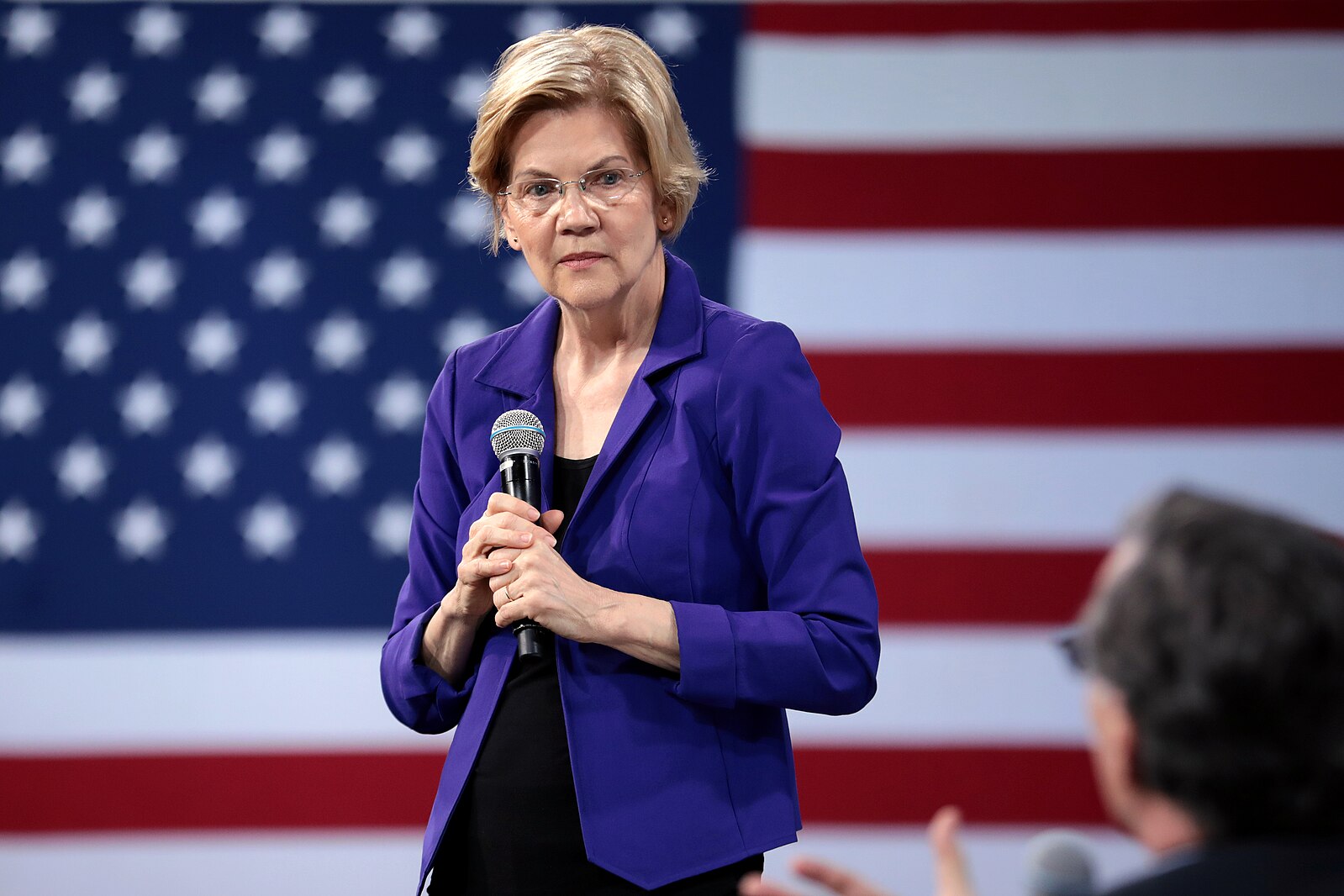
With early voting set to begin later this month in Boston’s mayoral election, Senator Elizabeth Warren is lending her political clout to Mayor Michelle Wu, who remains the clear front-runner in a race that has drawn sharp contrasts between the incumbent and her challengers.
A new Suffolk University/Boston Globe poll released this week shows Wu leading the field with 60% of likely voters backing her re-election. Her closest competitor, philanthropist Josh Kraft, trails at 30%, while the remaining candidates—community advocate Domingos DaRosa and former school committee member Robert Cappucci—have yet to gain meaningful traction. Just 7% of voters remain undecided.
Wu’s job approval rating is sitting at a solid 65%. It’s clear that voters see her as someone they can count on. That’s likely why Senator Warren posted a video in favor of Wu, pointing out her record on access to child care, a major part of her vision for Boston.
“Boston under Mayor Wu has expanded pre-K, added over a thousand new seats for preschoolers, and opened nearly 70 new early childhood facilities,” Warren said, underscoring Wu’s leadership on an issue that ranks high for many working families. “This is what it looks like to have a mayor who fights for families.”
In doing so, Warren not only threw her weight behind Wu but drew an implicit contrast with Kraft, who she said “doesn’t have a plan” for child care affordability. Kraft has largely focused his criticism on infrastructure costs, public safety, and Wu’s support for bike lanes, casting her policies as out of touch with working-class concerns. Yet, the latest polling suggests that approach has not translated into broader support.
Despite a fundraising advantage—Kraft has raised over $3 million compared to Wu’s $1.3 million—he has struggled to cut into her lead. While he polls well among conservatives and households tied to public safety, Wu remains dominant across most demographics.
One of the biggest issues for Boston voters is housing, directly followed by jobs and education, and much of Wu’s policy is focused on affordability and access, particularly for younger and low-income residents.
The preliminary election takes place on September 9, with the top two vote-getters advancing to the general election in November.



