
More than three decades have passed since one of Texas’s most horrifying crimes, and the question remains: why has justice never come? The brutal murder of four teenage girls in an Austin yogurt shop shocked the nation in 1991, and despite years of investigation, public pressure, and even convictions later overturned, the case remains unsolved.
On the night of December 6, 1991, a fire broke out at I Can’t Believe It’s Yogurt!, a small frozen yogurt chain store in North Austin. Firefighters extinguished the flames only to make a gruesome discovery: the naked, bound, and burned bodies of 17-year-olds Eliza Thomas and Jennifer Harbison, 15-year-old Sarah Harbison, and 13-year-old Amy Ayers.
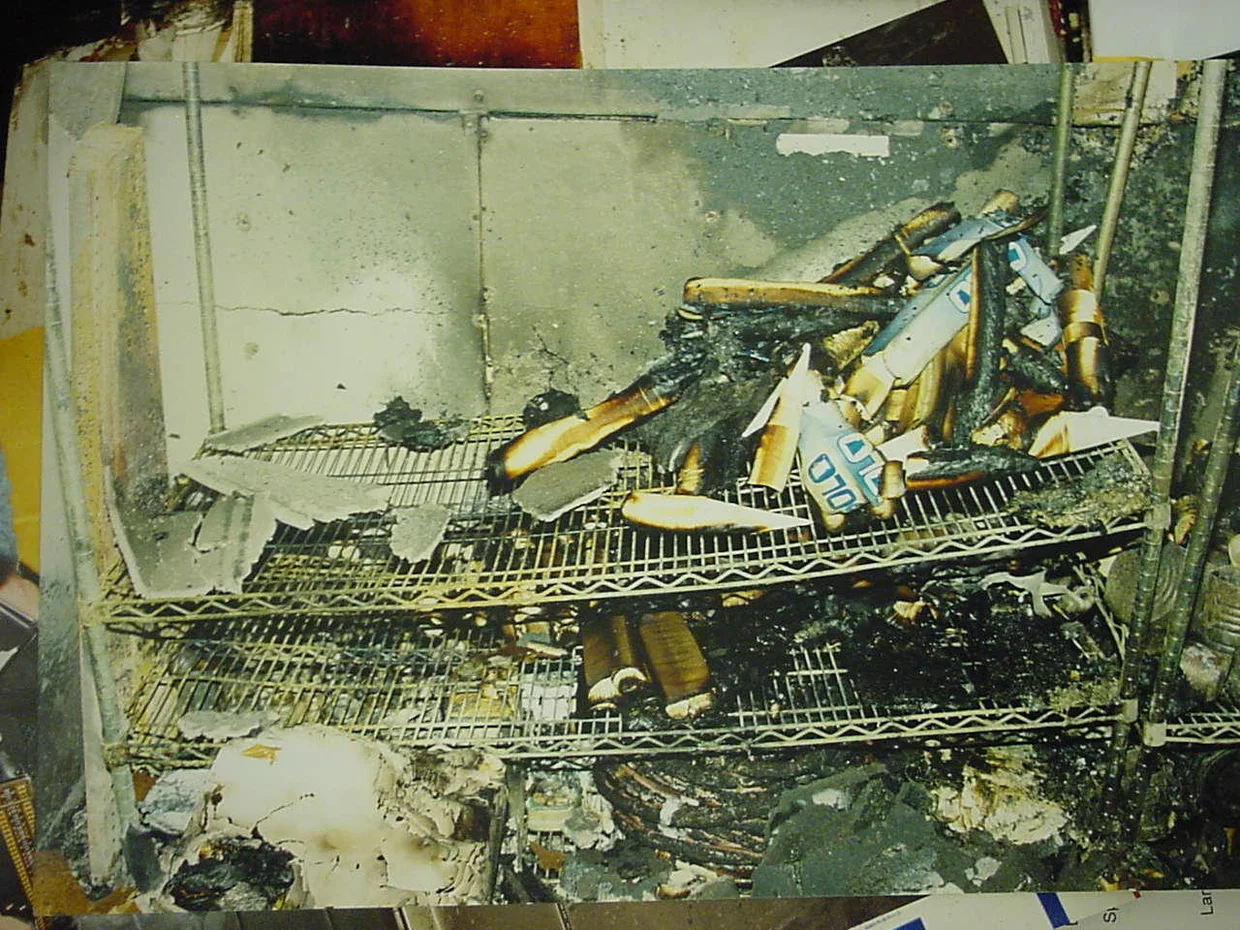
All four had been shot, three execution-style. Amy Ayers had been strangled and shot twice. After the killings, the assailants ignited a fire with lighter fluid and shop materials, likely to destroy evidence. It worked. The fire burned so hot it melted metal fixtures, and responding firefighters inadvertently washed away critical forensic clues.
The community was devastated, and the violence of the act suggested not just a botched robbery, but a calculated and sadistic crime. Yet despite a $100,000 reward, over 1,200 suspects, and a revolving door of leads, the case has never definitively identified its perpetrators.
Initial investigative focus centered on four teenage boys. One, Maurice Pierce, was arrested with a .22 caliber gun, matching one of the murder weapons. He confessed—then retracted. Years later, two others, Robert Springsteen and Michael Scott, confessed and were convicted. But both convictions were overturned on appeal in 2009 due to constitutional violations in their interrogations. The DNA evidence from the crime scene did not match any of them.
More than a decade later, that DNA remains the only physical link to the killer or killers. It is a partial profile, not enough to make a match in court, but potentially enough to eliminate suspects. In 2017, a familial DNA search matched the sample to an unknown individual in an FBI database—but the federal agency, citing privacy protections, has refused to identify the person.
Meanwhile, surviving witnesses remember two unidentified individuals who were in the shop just before closing. Described as “out of place,” they were never located despite composite sketches and, in one case, even hypnosis.
For Austin detectives and the families of the victims, the case is more than a haunting memory. It is a hole in the heart of a city that has seen progress on other cold cases but not this one. The question lingers: what exactly is missing?
In the absence of new evidence, the Austin yogurt shop murders remain a symbol of investigative frustration—of how a botched crime scene, overreliance on flawed confessions, and limited forensic tools in the early 1990s allowed four girls’ killers to vanish into smoke and ash.



