
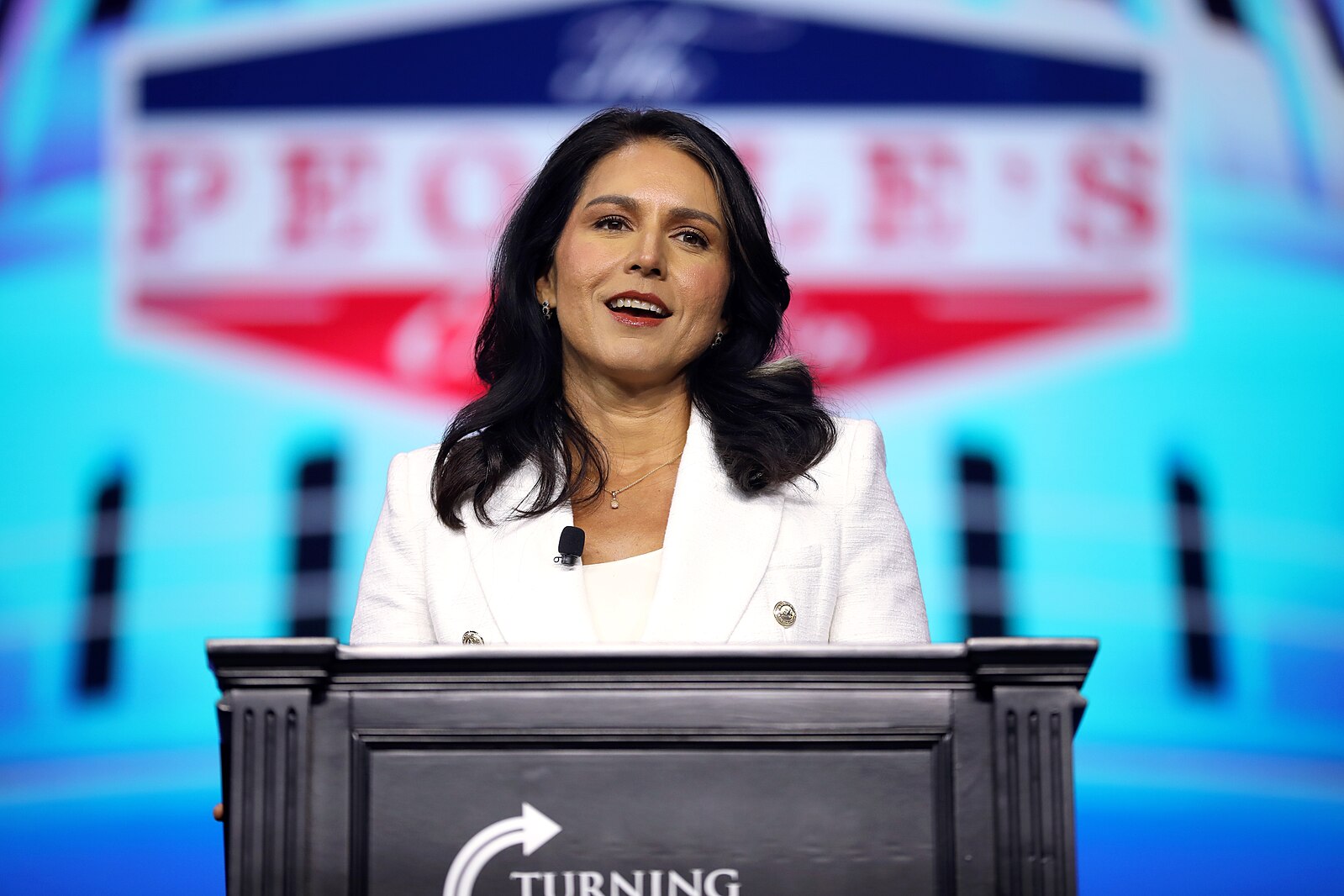
Director of National Intelligence Tulsi Gabbard is raising questions about the U.S. intelligence community’s shifting assessments of Russian election interference in 2016, pointing to newly reviewed documents that suggest Russia never expected Donald Trump to win.
In her latest public remarks, Gabbard said her review of declassified materials has revealed a timeline of assessments that, in her view, contradict the narrative that Russia had a clear preference for Trump. According to the documents—originating from the Obama-era White House, the CIA, and the Office of the Director of National Intelligence—the early consensus among intelligence officials was that Russia’s objective was to sow chaos and distrust in the U.S. electoral system, without favoring either candidate.
However, Gabbard noted a shift in the intelligence narrative following Trump’s surprise victory. Before the election, she says, internal documentation reflected Russia’s belief that Hillary Clinton’s win was all but inevitable. She stated that Russia never showed favoritism toward Trump until after the 2016 upset. Gabbard says this move was politically deiven and not rooted in consistent intelligence analysis.
The 2016 election, already a flashpoint in American political discourse, continues to cast a long shadow over national security, intelligence oversight, and media trust. Gabbard—herself a former Democratic congresswoman and 2020 presidential candidate—has become increasingly vocal in challenging official interpretations of that election cycle. Now serving in a prominent national intelligence role under the Trump administration, her statements are likely to fuel further debate about transparency, politicization of intelligence, and the legacy of 2016.
Gabbard’s remarks come at a time when renewed scrutiny is being placed on the origins of investigations into Russian interference and Trump campaign ties. While the consensus from the U.S. intelligence community remains that Russia interfered with the intention of helping Trump, Gabbard’s comments suggest an alternate view—one where the interference effort was not tied to a preferred candidate but was instead a broader strategy to destabilize American democracy, and one that presumed Clinton’s victory was a foregone conclusion.
She also emphasized that gaps in the documentary record remain, but said she was surprised by how much information has been preserved and how clearly it reflects the thinking of U.S. and foreign intelligence at various points in the election cycle.
For Gabbard, the concern is not only about misinterpretation but about potential political manipulation of intelligence for post-election narratives. Now she’s calling for greater transparency in how intelligence is assessed and shared with both lawmakers and the public.
While her position remains controversial—particularly among former intelligence officials—Gabbard’s stance underscores the continued politicization of the 2016 election. Her framing of Russia’s expectations about Clinton’s win adds another layer to an already contentious historical moment, one that continues to shape American politics nearly a decade later.



