
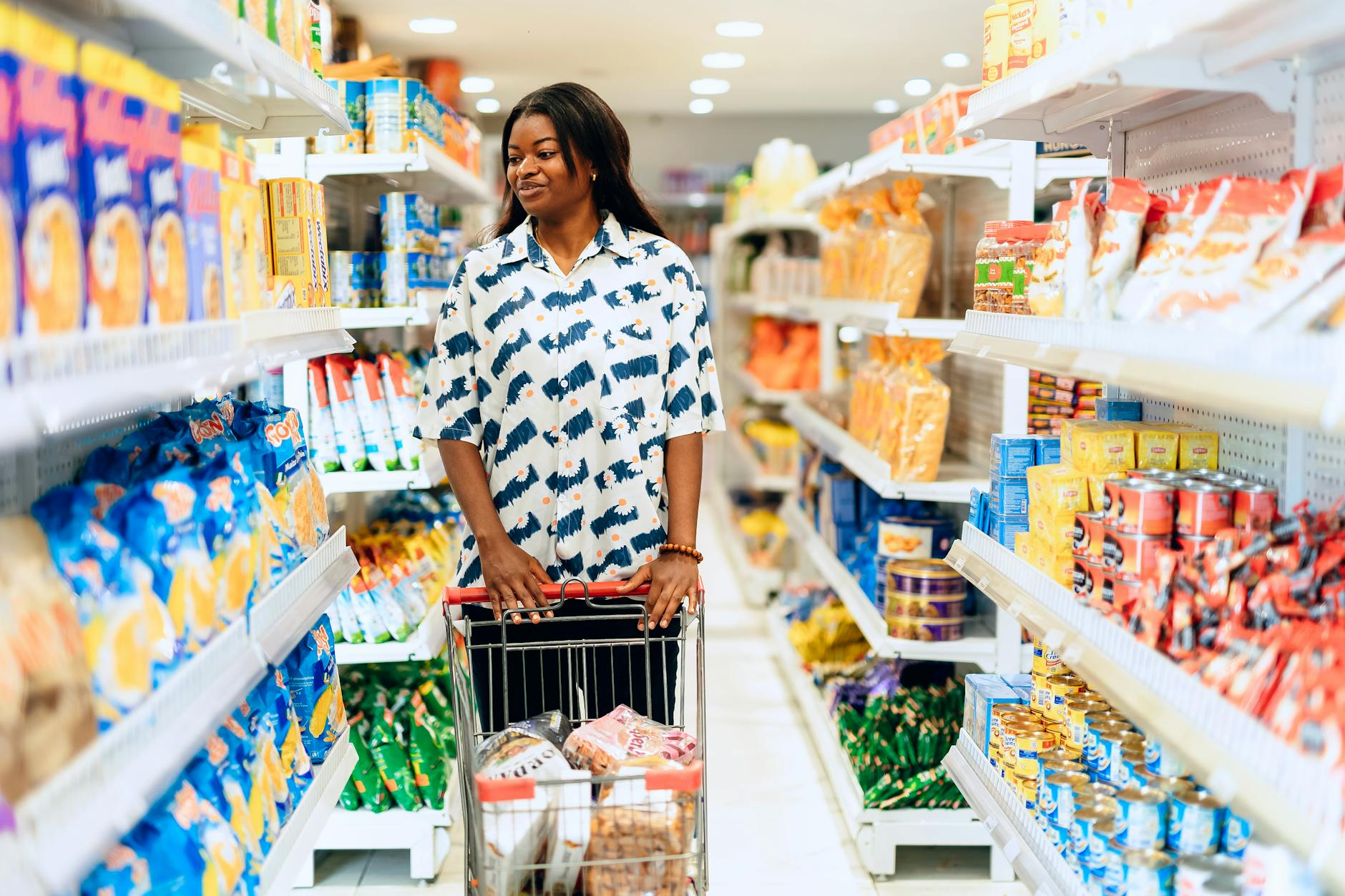
The Trump administration announced a new wave of changes to the Supplemental Nutrition Assistance Program (SNAP), aiming to restrict purchases of soda, candy, and other junk foods with taxpayer-funded benefits. The move, framed as a push toward healthier eating and public health reform, is drawing both praise and concern—particularly among advocates for women and families who rely on SNAP to feed their households.
In a public address, Brooke Rollins confirmed that six additional states—Florida, West Virginia, Oklahoma, Texas, Louisiana, and Colorado—have received federal waivers allowing them to limit what SNAP benefits can be used to buy. These states join Iowa, Indiana, and others already approved to implement the new guidelines.
After noting that the number one purchase of SNAP users is “sugary drinks,” Rollins said, “SNAP is a supplemental nutrition program meant to provide health food benefits to low income families to supplement their grocery budget so they can afford the nutritious food essential to health and well-being.”
The move marks a dramatic shift in how SNAP is administered at the state level. While SNAP is federally funded, states can now act as “laboratories of innovation,” according to the department, crafting their own versions of nutritional oversight under federal waivers. The administration argues that these waivers are part of a broader initiative to improve national health by reducing sugar and artificial additives in the American diet.
The changes will likely have an outsized impact on women, who make up the majority of adult SNAP recipients. Women—particularly single mothers—rely on SNAP not just for groceries but for feeding children and maintaining stability in households already stretched thin by inflation and the rising cost of food. Critics of the new policy warn that limiting food choice without increasing access to fresh, affordable produce could further stigmatize recipients and put unnecessary strain on low-income families.
The administration also previewed a new set of federal dietary guidelines—replacing the 453-page document issued under the Biden administration with what officials promise will be a simplified, five- or six-page guide prioritizing whole foods and “common sense.” These new guidelines are expected to impact not only SNAP, but also the food served in schools, military cafeterias, and prisons.
Officials say the guidelines will be released by the end of September, three months ahead of schedule. They also hinted at upcoming collaborations with food manufacturers to eliminate artificial dyes and preservatives from common products.
While advocates agree that improving the nutritional quality of America’s food supply is a worthy goal, focusing on individual food choices without addressing the broader lack of access to good food and its afforability completely misses the point. As millions of women continue to bear the brunt of economic inequality, the question remains: will this reform nourish families—or punish them?



