
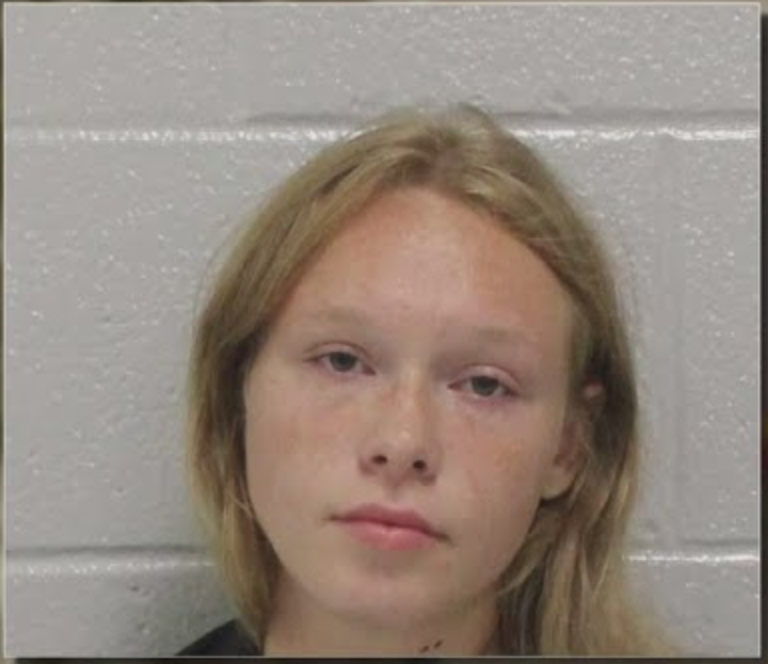
In the early hours of February 20, 2025, a 17-year-old girl in Carroll County, Georgia dialed 911. Her voice trembled as she told dispatchers her mother and stepfather had been shot. Within minutes, officers arrived at the Brock family home and found Kristen and James Brock dead in their bed. There were no signs of forced entry, no missing valuables—and no murder weapon.
At first, Sarah Grace Patrick appeared to be a grieving daughter caught in a nightmare. She spoke to officers with composure and later stood before her parents’ caskets at a livestreamed funeral, tearfully eulogizing them to a watching world. Her words—soft, mournful, intimate—spread quickly across TikTok and YouTube. Her sorrow became viral content.
But beneath the surface of the carefully shared grief, investigators saw something more complicated. They found inconsistencies in her account. Her six-year-old half-sister had discovered the bodies—not Sarah. The house, they believed, had not been broken into. And soon, Sarah’s online behavior began to raise red flags. Cryptic TikToks, dramatic messages to true crime influencers, and later, what investigators called a “mountain of digital evidence” would unravel the image she’d presented to the public.
On July 8, nearly five months after the murders, Sarah was arrested and charged with two counts each of malice murder, felony murder, and aggravated assault. She turned herself in with her biological father, Daniel Patrick, by her side. Prosecutors allege Sarah’s actions were deliberate—and that her online performance was a coverup.
Yet her family remains divided. Daniel Patrick insists Sarah is innocent, describing her as a typical teenager, not a killer. He claims the evidence presented so far is “thin,” and has suggested an alternate theory: that her parents may have been involved in drug activity and were killed in a retaliatory attack. Sarah’s grandfather also defends her, calling the arrest premature and based on circumstantial evidence.
Public speculation has only deepened the divide. Social media users continue to pick apart Sarah’s eulogy and her digital presence, with some calling her behavior manipulative, while others argue that her grief and trauma were real. Her cousin, who sat front row at the funeral, claimed Sarah never shed a tear. Others in the church community say she was in shock.
For investigators, Sarah’s own digital trail became central to the case. Deleted Google searches reportedly included violent and incriminating terms. Messages to creators hinted at a desire to shape the narrative of the crime for an audience. Authorities have not ruled out the possibility of accomplices or additional charges, suggesting that the full truth may not yet be known.
Sarah remains in custody without bond, pending trial. If convicted, she could face life in prison. Her young half-sister, who discovered the bodies, is now in the care of relatives.
The question now stretches beyond innocence or guilt. The case has tapped into something deeper: the performative nature of grief in the age of social media, and how online personas can cloud—and sometimes complicate—the search for truth.



