
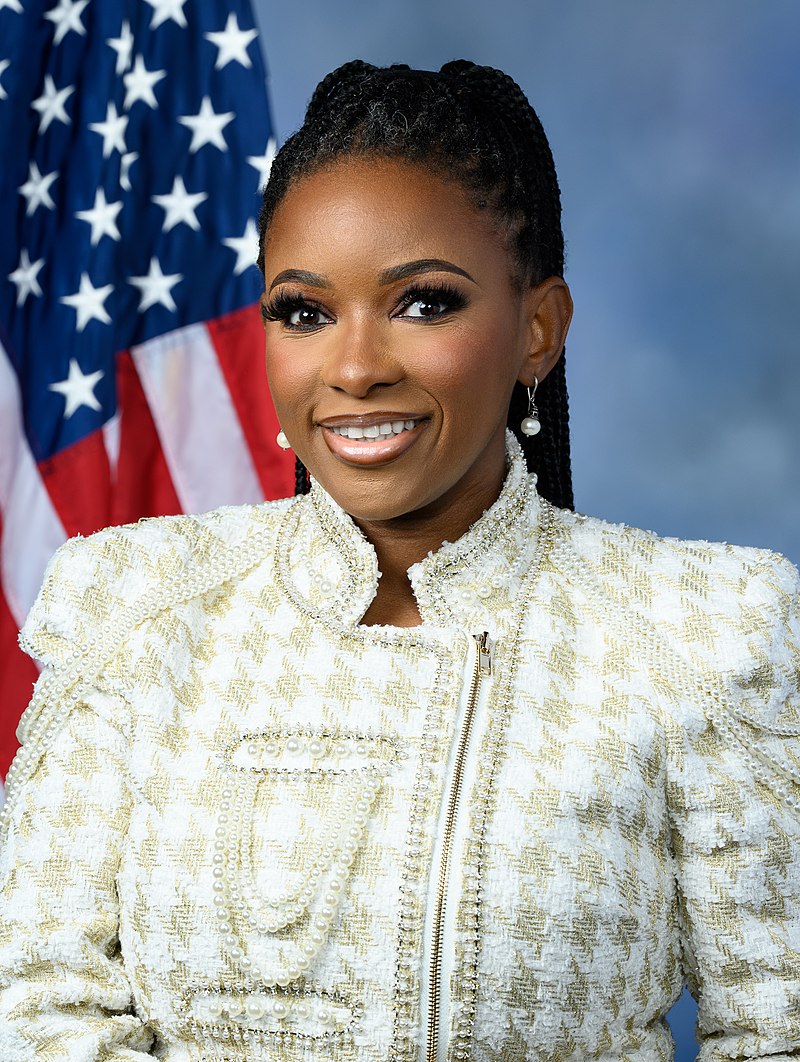
Congresswoman Jasmine Crockett (D-TX) is once again emerging as one of the clearest and fiercest voices in the fight for voting rights. This week, as Texas Republicans move forward with a redistricting bill widely viewed as an attempt to eliminate Democratic seats—particularly those held by Black and Latino lawmakers—Crockett is sounding the alarm that what’s happening in Texas could soon spread across the country.
“This isn’t just about five seats in Texas,” she said. “This is about a power grab. It is about basically setting the tone for what Donald Trump will try to do throughout this country so that he can suppress the voices of Black and Brown folk just so that he can stay in power.”
Crockett is no stranger to high-stakes battles over democracy. In 2021, as a freshman state legislator, she helped organize a dramatic walkout of Democratic lawmakers who fled Texas to block passage of a restrictive voting law. The tactic drew national attention to GOP-backed measures targeting mail-in ballots, early voting access, and “souls to the polls” efforts. Though the legislation ultimately passed in weakened form, Crockett and her colleagues successfully softened some of its harshest provisions—and, just as critically, forced a national conversation on voting rights.
Now a member of Congress, Crockett is returning to the same playbook: draw public scrutiny, deny quorum when necessary, and force the country to reckon with the erosion of democratic norms.
At the heart of her concern is not only the content of the new redistricting maps, but the process by which they’ve been pushed forward. Crockett notes that Republican leaders in Texas held just one formal hearing on the bill, with less than 48 hours’ notice for public testimony. More than 400 people registered to speak out against the plan, while only a handful showed support.
In her view, the state’s redistricting maneuver reflects a broader Republican strategy of entrenching power by dismantling democratic safeguards—especially in states with growing nonwhite populations. And she believes the stakes have never been higher.
“We are in a battle. As Joe Biden said when he ran for the soul of this country, we are fighting for better.” Crockett said, “And ultimately, once we get the adults in the room to fix everything as Democrats typically do, then that is when we will hopefully get some guardrails around our democracy.”
Crockett also took aim at the Texas attorney general, Ken Paxton, who has threatened Democratic lawmakers with legal consequences for leaving the state in protest. She responded with blistering clarity, calling Paxton—who has been under federal investigation, indicted for securities fraud, and impeached by his own party—a far greater threat to the rule of law than the lawmakers he’s targeting.
But Crockett is just as concerned with the broader national implications of what she sees as an escalating authoritarian project. If Texas succeeds in redrawing its congressional map mid-decade to favor Republicans, what’s to stop Missouri, Ohio, or Florida from following suit? And if Democrats respond with their own aggressive redistricting efforts in states like New York or California, what does that mean for public faith in the fairness of elections?
Crockett dismissed concerns that tactics like walkouts make Democrats appear obstructionist. On the contrary, she believes more voters want to see Democrats fighting with urgency and clarity. She remains optimistic that the next generation of Democratic leaders will continue to challenge the authoritarian tilt of Republican power, but she emphasized the need for structural reforms. Chief among them is restoring the Voting Rights Act, which Congress has repeatedly failed to do in the face of Republican opposition.
Crockett’s message is both defiant and urgent: American democracy is in peril, and only aggressive, unapologetic action can preserve it. The battle lines are clear, and she has no interest in pretending otherwise.
As other Democrats, including those in New York and California, begin to weigh redistricting countermeasures of their own, Crockett’s voice is likely to remain central. With her background in civil rights law, her fearless rhetorical style, and her national profile rising, she continues to be one of the most influential voices in the fight for fair representation—and a democratic system that serves the people, not just the powerful.



