
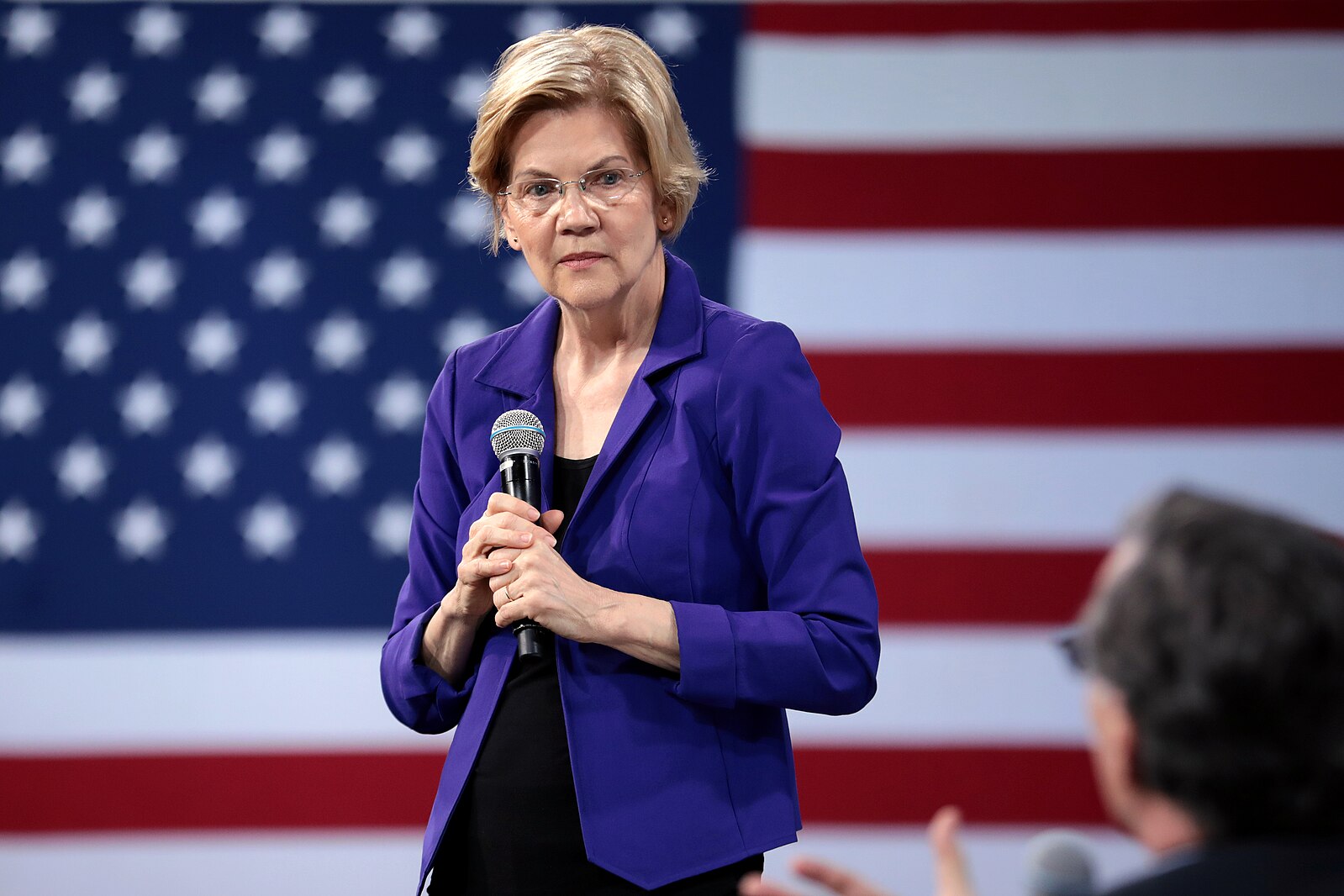
In a high-profile and unusually sharp endorsement, Senator Elizabeth Warren is throwing her full support behind Zohran Mamdani, the Democratic nominee for New York City mayor—and taking direct aim at his opponents, Mayor Eric Adams and former Governor Andrew Cuomo. It’s not out of the oridinary for one politcian to endorse another, but Warren pointing to Mamdani as the man for the job raises the stakes of a race already shaped by tensions over money, power, and the direction of the Democratic Party.
Warren’s backing is a significant development. As one of the most influential progressive voices in the country, her support brings national attention—and credibility—to Mamdani, a democratic socialist and State Assembly member from Queens who ran a grassroots campaign focused on housing affordability, public transit, and child care. Her endorsement isn’t your usual enthusiastic sloganeering, it’s a combative call to arms, underscoring what she sees as the corrupting influence of money in politics and the entrenched power of New York’s political elite.
Warren’s criticism of Adams and Cuomo was pointed. She accused both men of cozying up to billionaires and corporate donors, drawing a direct line between Mamdani’s rent-freeze proposals and the financial interests aligned against him. In her view, the real estate moguls and Wall Street executives backing Adams and Cuomo aren’t just supporting different policy ideas—they’re trying to maintain control over City Hall.
That argument is more than rhetorical. Adams has faced ongoing scrutiny over his relationships with donors and developers, including a federal investigation into his fundraising. Cuomo, meanwhile, is attempting a political comeback despite his resignation in the wake of multiple scandals—including shutting down his own anti-corruption commission when it began investigating his allies.
In contrast, Mamdani has positioned himself as a candidate of and for working-class New Yorkers. His campaign has rejected corporate donations while emphasizing universal rent stabilization, investment in public infrastructure, and a bold vision of urban affordability. That stance has made him a target of heavy outside spending—but also helped galvanize a broad coalition of tenants, transit riders, and young voters.
Warren’s endorsement reframes Mamdani’s candidacy not as a long-shot insurgency, but as a referendum on whether voters are ready to reject what she called the “corrupt status quo.” Her message: voters don’t have to settle for candidates backed by the same power structures that have long failed ordinary New Yorkers.
The stakes are clear. If elected, Mamdani would become the most left-wing mayor of any major U.S. city—and one of the first avowed democratic socialists to hold such a position. His win in the primary, despite being vastly outspent, already signaled a shift in New York politics. Warren’s intervention may now help translate that momentum into a governing mandate.



