
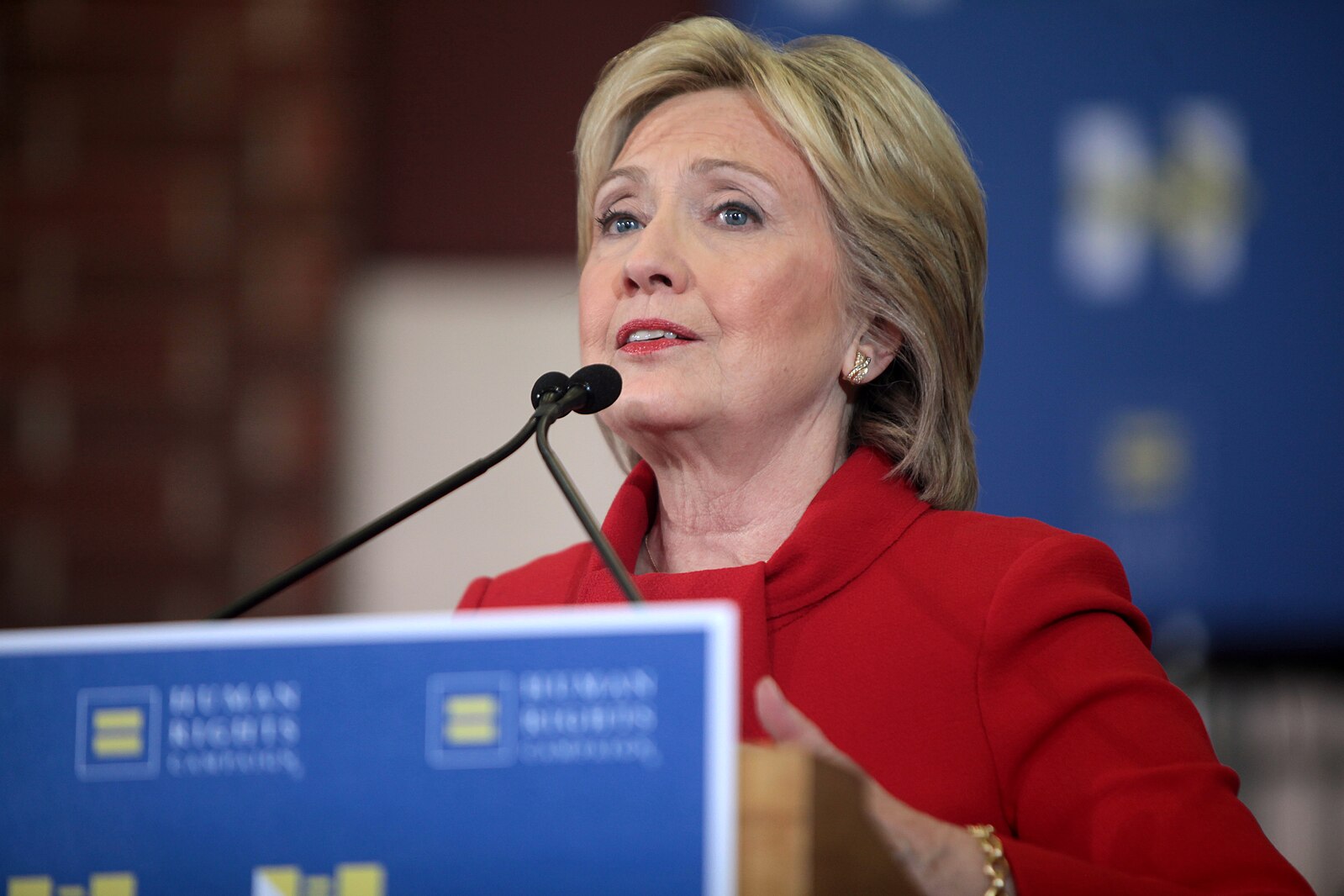
Eight years after the 2016 election, some corners of the press and GOP leadership still can’t stop talking about Hillary Clinton. The latest flashpoint? A batch of declassified memos—dubbed the “Durham Annex”—released this week at the request of Republican Senator Chuck Grassley. The documents, part of Special Counsel John Durham’s long-running probe into the origins of the Trump-Russia investigation, reportedly reference an internal Clinton campaign discussion about drawing attention to Donald Trump’s alleged ties to Russian hackers.
The documents do not contain proof of wrongdoing or illegal activity. What they do include are memos and emails, one of which claims then-candidate Clinton approved “Julia’s idea about Trump and Russian hackers hampering U.S. elections.” That “Julia” appears to be Julianne Smith, a senior adviser to Clinton at the time. The email’s author also alleges that the suggestion was intended to “distract” from controversy over Clinton’s own emails.
In short: the kind of internal campaign chatter that could be pulled from any high-level political operation—and which, in this case, led to no charges or formal allegations by the Durham probe itself.
Still, some Republican lawmakers argue that the FBI under the Obama administration failed to investigate these claims thoroughly. “The Obama FBI failed to adequately review and investigate intelligence reports showing the Clinton campaign may have been ginning up the fake Trump-Russia narrative,” Grassley said.
But the broader political context here matters. The Trump campaign did, in fact, have repeated contacts with Russian individuals and operatives during the 2016 election, according to the bipartisan Senate Intelligence Committee report released in 2020. While the Mueller investigation did not conclude that the Trump campaign conspired with Russia, it found that the campaign welcomed Russia’s interference—and that multiple officials misled investigators about those contacts.
The attempt to relitigate the Clinton campaign’s strategy eight years later feels less like a revelation and more like a distraction. Especially as President Donald Trump—now in his second term—faces investigations into alleged abuse of power, violations of the Hatch Act, and defiance of Supreme Court rulings. Trump has spent years accusing Clinton of everything from treason to murder. Meanwhile, Clinton, who left public office over a decade ago, remains a political lightning rod despite not holding any current position of influence.
It’s also worth noting who isn’t being scrutinized in these newly resurfaced debates: the foreign actors who actually interfered in the 2016 election, the tech platforms who let it happen, and the current administration’s efforts to dismantle institutional oversight.
Clinton herself has not commented on the so-called Durham Annex. But if history is any guide, she’ll be accused of remaining “too silent” on this—or “too outspoken”—depending on the day and the network.
In the end, the story here may not be about what Clinton did or didn’t do. It may be about why, in 2025, the political imagination of a certain segment of the right remains frozen in 2016—and why Hillary Clinton is still the woman they’d rather talk about than the man in power.



