
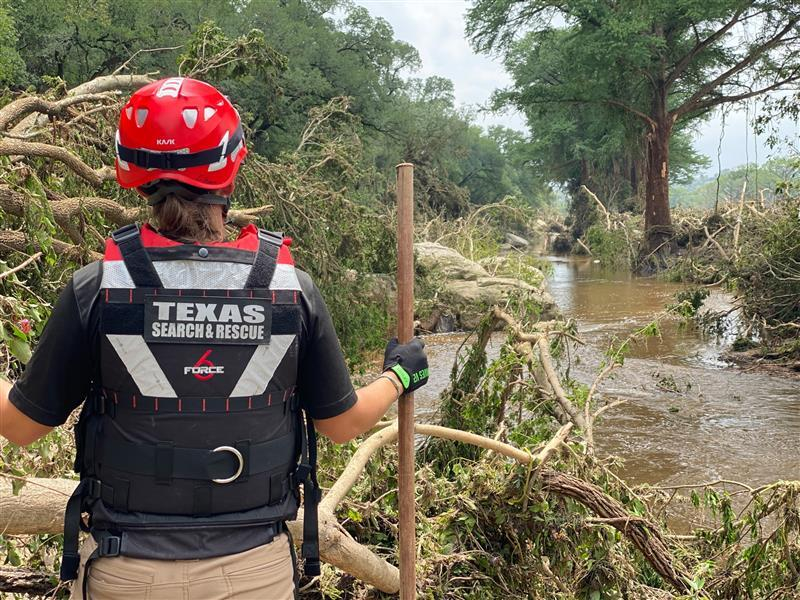
Grief turned to outrage this week as survivors of the deadly July 4 floods in Kerr County, Texas, testified before lawmakers, confronting the local officials they say failed them when they needed help the most.
In an hours-long hearing filled with emotional testimony, residents described the chaos and heartbreak that unfolded when the Guadalupe River breached its banks earlier this month, killing at least 135 people and devastating entire communities in and around Kerrville.
This was the first real chance for victims to speak directly to the people in charge, and they came in looking for the answers they deserve.
The flood, caused by torrential rains and exacerbated by failing infrastructure, caught many residents off guard. Several speakers described a confusing and delayed emergency response—one that lacked coordination, timely warnings, or sufficient resources.
“Nobody came for us,” one resident said tearfully. “Nobody. That’s unacceptable.”
Residents pointed to aging private dams, poor communication infrastructure, and an unclear chain of command during the disaster. Some neighborhoods reportedly received no flood warnings at all due to downed cell towers and power outages. Others described being trapped in homes or watching floodwaters destroy their property with no sign of emergency services for hours.
“I’m not coming here with pitchforks,” one resident said. “But [the dams] all broke.”
Lawmakers, including members of the Texas Legislature and local officials, heard firsthand accounts of what went wrong. Many acknowledged the state’s failure to act swiftly—and vowed to improve systems before the next crisis strikes.
“We know better now, so we must do better,” one official said. “That’s our responsibility—not just to rebuild, but to make sure this never happens again.”
Among the demands made by residents were improvements in early warning systems, more rigorous inspections of local water infrastructure, and better coordination between state and local responders. There was also a call for financial relief for families who lost homes, vehicles, and livelihoods in the flood. Will that happen? It’s hard to say.
In response, local officials admitted to “delayed responses in some areas” and recognized the communication gaps that left families isolated during the disaster. They cited cell service outages and rural terrain as challenges—but promised to address the breakdowns.
The hearing showed how natural disasters often expose deeper failures in public infrastructure, emergency planning, and local governance. For the families who lost everything, the pain is still raw—but many said they came forward not just to grieve, but to push for accountability.
The Kerrville community is strong, clearly.But they shouldn’t have had to be this strong alone.



