
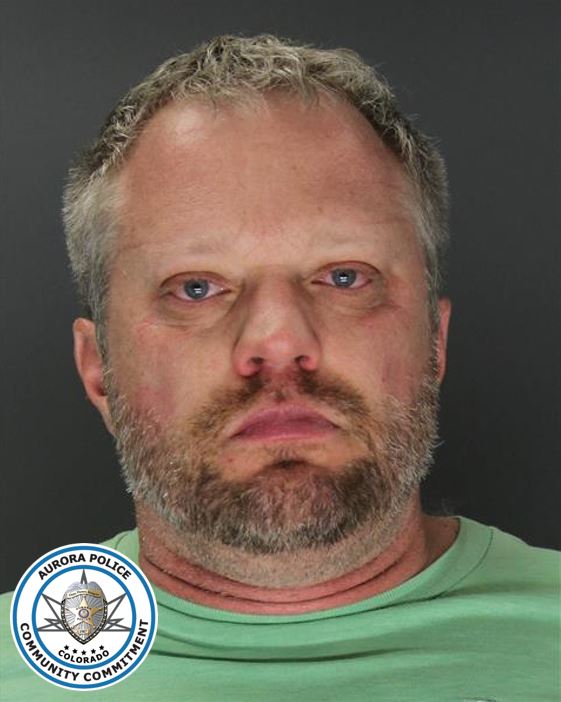
A Colorado jury has begun deliberations in the murder trial of James Craig, a former dentist accused of killing his wife Angela Craig by gradually poisoning her with a combination of cyanide and tetrahydrozoline — a compound found in over-the-counter eye drops. The disturbing details of the case have drawn eyes from across the nation, and what we see is the portrait of a marriage unraveling behind closed doors.
Angela Craig, a 43-year-old mother of six, died in March 2023 after her third trip to the hospital in just over a week. Toxicology reports revealed she was poisoned with cyanide and tetrahydrozoline, a rare and lethal combination. Prosecutors allege that her husband, James Craig, secretly laced her protein shakes and antibiotics with the toxins while maintaining the appearance of a concerned spouse.
Jurors heard nearly two weeks of testimony, including emotional accounts from Angela’s siblings and testimony from women James Craig had allegedly been romantically involved with. Prosecutors painted Craig as a manipulative husband who had been cheating on Angela for much of their 23-year marriage and wanted her out of the way to protect his reputation, escape the marriage, and avoid financial complications from divorce.
Angela Craig’s sister, Toni Kofoed, told jurors that Angela had shared her pain over the state of her marriage, but forcefully rejected any suggestion that Angela had been suicidal. “She had a broken heart, not a broken mind,” Kofoed testified, countering the defense’s suggestion that Angela may have taken her own life.
Angela’s brother, Mark Pray, recounted the final moments before she was rushed to the hospital. On March 15, 2023, while James was away from home, Pray followed his instructions and gave Angela a capsule containing antibiotics — pills prosecutors say had been laced with cyanide. Angela collapsed soon after and was rushed to the hospital, where she was declared brain-dead shortly afterward.
Prosecutors allege that James Craig even administered an additional dose of cyanide while his wife was already hospitalized and doctors were still searching for answers. His phone contained a file labeled “timeline” in which Craig claimed that Angela had asked him to help her die after he asked for a divorce. The document attempts to describe the poisoning as a mutual plan, though detectives testified that Craig’s written version differed significantly from his earlier statements and suggested an effort to cover his tracks.
Police also found evidence that Craig had searched for poisons and purchased chemicals online in the weeks leading up to Angela’s death. Prosecutors say he bought multiple types of poison, including arsenic and cyanide, and oddly stockpiled 12 bottles of eye drops — a detail they argue further supports premeditation.
Adding to the gravity of the charges, Craig is also accused of attempting to hire a fellow jail inmate to kill Detective Bobbi Olson, the lead investigator on the case. That separate charge underscores the prosecution’s claim that Craig was willing to go to extreme lengths to evade responsibility.
Throughout the trial, Craig’s defense team has not presented any witnesses, and Craig himself did not take the stand. Instead, the defense pointed to Angela’s journal, which ended in 2018, as evidence of her emotional struggles. In one entry, she wrote, “He doesn’t love me and I don’t blame him.” Defense attorney Ashley Whitham characterized Angela as “broken,” citing her desire to stay in the marriage due to their shared faith in The Church of Jesus Christ of Latter-day Saints.
Still, prosecutors maintain that Angela Craig was not suicidal and had every reason to live. She was described by family members as deeply devoted to her six children and to her role within her extended family. The youngest of 10 siblings, Angela had taken on the role of family genealogist, a position of honor in her faith. “She was organized, dependable, and joyful,” her brother said.
In court, prosecutors played a text message exchange between Angela and James during her final days. “I feel drugged,” she wrote. He responded, “Just for the record, I didn’t drug you.”
Closing arguments concluded Tuesday, with prosecutors urging the jury to consider the pattern of deception, the conflicting accounts, and the forensic evidence. Craig’s fate is now in the hands of the jury, who have to decide whether or not the dentist carried out a slow and calculated murder inside his family home.



