
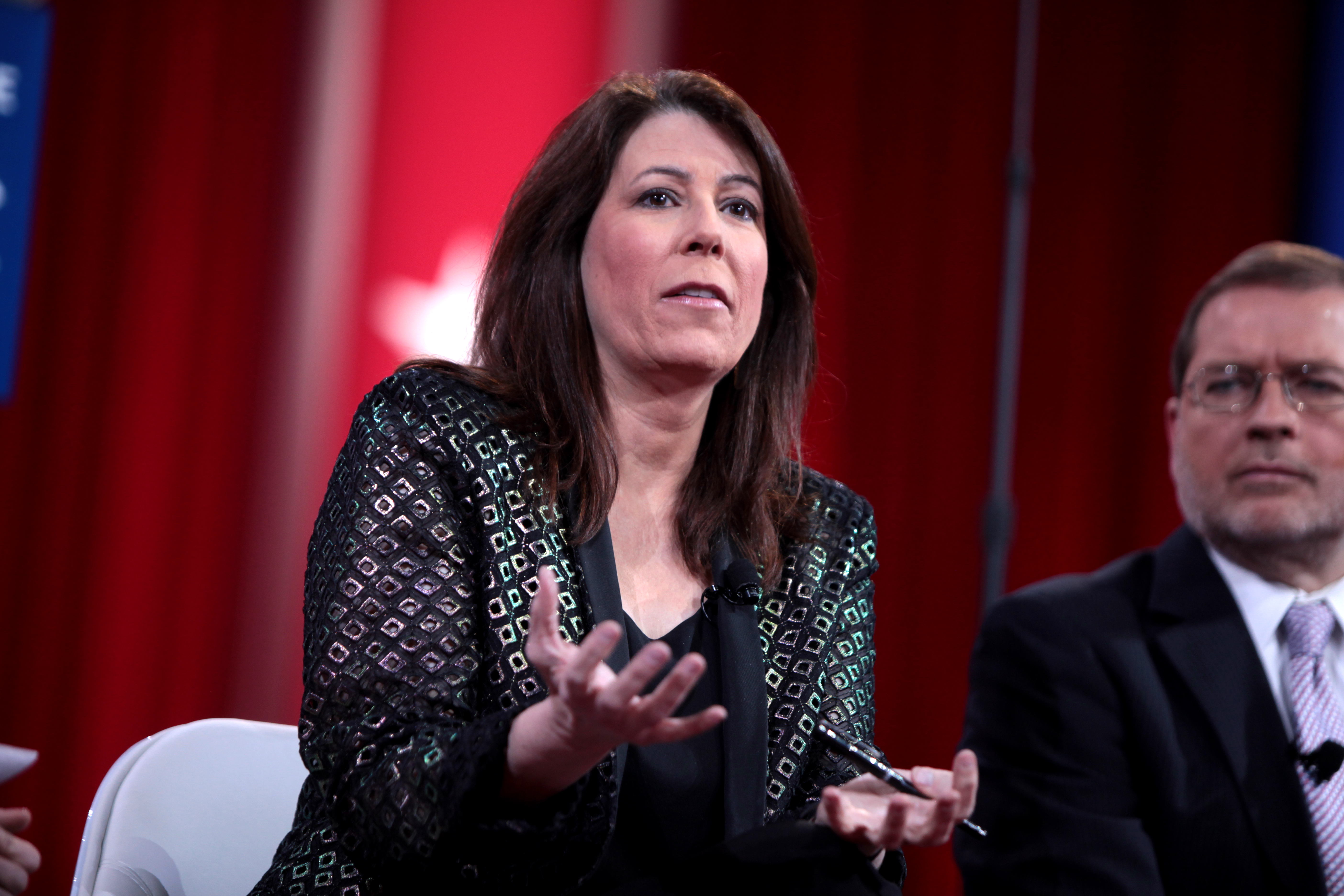
Spokesperson for the United States Department of State Tammy Bruce sharply criticized a United Nations conference being held in New York this week on the Israeli-Palestinian two-state solution, calling the event “unproductive and ill-timed” and accusing it of undermining efforts to end the war in Gaza.
“The conference will prolong the war, will embolden Hamas, and reward its obstruction,” Bruce said in a statement. “It’s a slap in the face to the victims of October 7th and a reward for terrorism. It keeps hostages trapped in tunnels.”
Bruce’s remarks come amid growing tensions within U.S. foreign policy circles about how to address the Israel-Gaza conflict. She also affirmed that the United States would not participate in what she described as a “stage-managed” conference designed to “manufacture the appearance of relevance,” while emphasizing continued American focus on “real-world diplomacy.”
“The U.S. will not participate in this insult,” Bruce said. “Our focus remains on serious diplomacy—not photo ops.”
Her criticism sounds remarkably similar to remarks made by Secretary of State Marco Rubio and President Donald Trump. Both lawmakers have outright rejected overtures from Hamas that they deem counterproductive. Bruce’s comments were delivered during a broader press briefing that touched on a new ceasefire agreement between Cambodia and Thailand, recent disaster relief efforts in the Philippines, and a sweeping new trade agreement between the United States and the European Union.
In that same statement, Bruce praised U.S. diplomatic efforts in Southeast Asia, highlighting a U.S.-coordinated ceasefire deal between Cambodian and Thai officials, brokered with support from Malaysia. She also touted the administration’s disaster response in the Philippines following devastating storms, and hailed President Trump’s newly announced EU trade agreement as a “generational modernization” of the transatlantic alliance.
But it was her takedown of the UN conference that drew the sharpest contrast with traditional diplomatic approaches. “Rewarding Hamas at this moment undermines the very foundation of peace,” Bruce said. “We need to be clear-eyed about who’s seeking peace—and who’s standing in the way of it.”
The UN event, which includes a range of international diplomats and policy experts, has been billed as a renewed effort to engage global leaders in a two-state framework—a solution that, while long supported by many global powers, remains deeply divisive in U.S. politics.



