
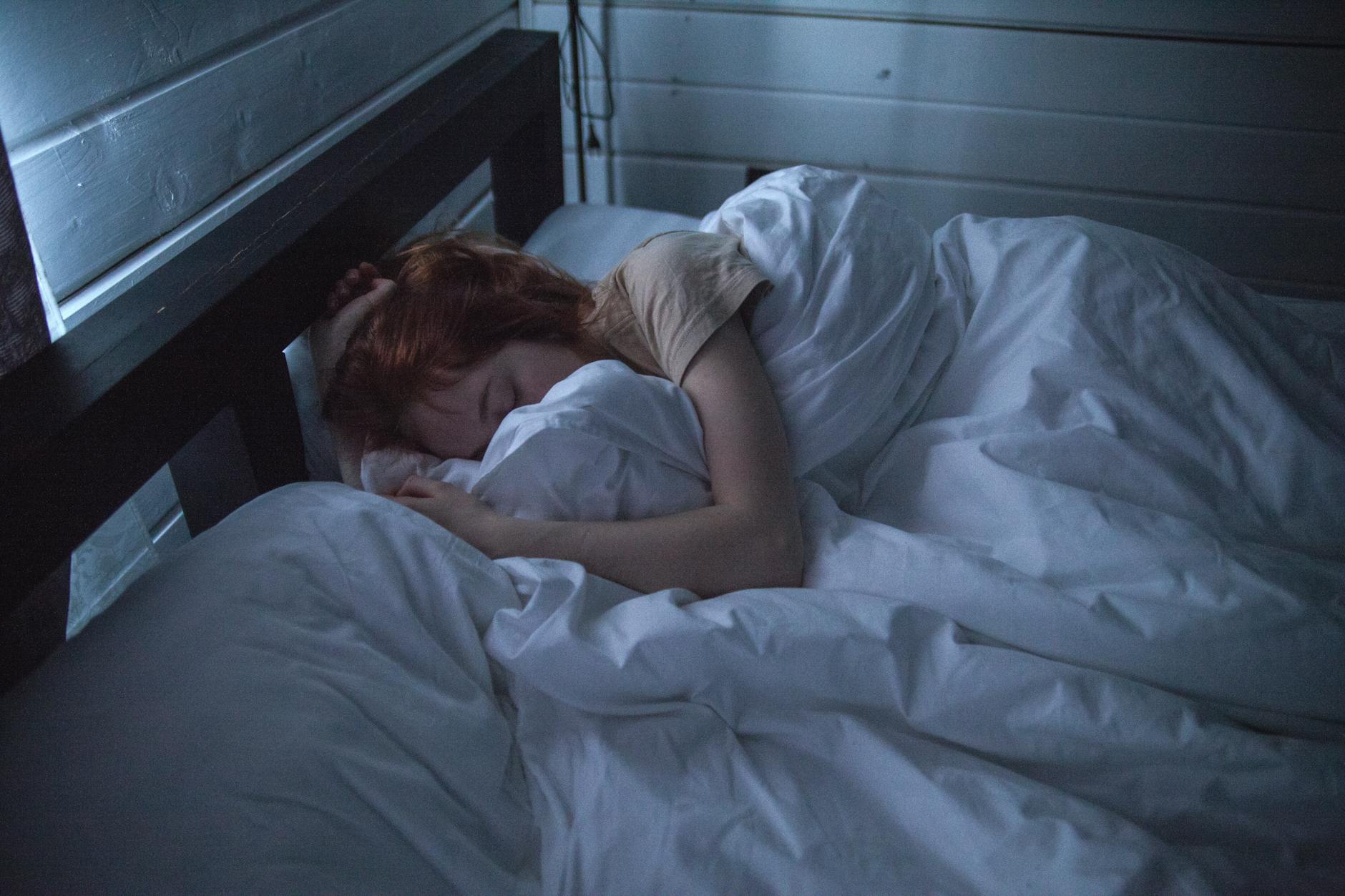
In dim bedrooms lit only by the glow of a phone screen, a growing number of young Chinese people are rejecting the grueling pressures of modern life—and finding quiet solidarity in doing nothing at all. They call themselves rat people (鼠人), a self-deprecating but defiant identity centered on withdrawal: staying in bed all day, scrolling endlessly, and ordering delivery meals in lieu of facing the world outside.
It’s the latest evolution of China’s “lying flat” movement (remember that?), a 2021 trend that encouraged young people to abandon the relentless hustle culture associated with the country’s meteoric economic rise. But while lying flat still implied a kind of leisure—opting out of 996 work schedules but still making time for hobbies or a side hustle—rat people go a step further. They retreat entirely, mimicking the low-energy, nocturnal habits of rodents. Some compete online over who can spend the least energy in a day.
This phenomenon is more than a meme. It’s a quiet rebellion against an economy that has grown inhospitable to its youngest generation. Youth unemployment in urban China reached 16.5% this spring, and for many recent graduates, the promised ladder of upward mobility now appears broken. Add to that punishing work expectations, a housing market out of reach, and suffocating societal pressures—especially on young women to marry early and start families—and it’s no wonder some are opting out.
“Don’t talk to me—let me recharge,” wrote one self-described rat woman on Chinese social media, alongside a photo of her breakfast: mung bean porridge ordered in from a local restaurant. Another shared a vlog of her day, which included minimal movement and no interaction with the outside world. The video quickly garnered over 200,000 likes.
Though the aesthetic is intentionally unglamorous—an antidote to fitness influencers and curated productivity—it’s also deeply political. In a society that rewards conformity, rat people are staging a quiet protest. And for young women in particular, the trend offers a rare space to resist gendered expectations without direct confrontation. No arranged blind dates. No exhausting jobs. No need to uphold an image of feminine ambition or domestic perfection.
“They’re not just lazy,” said Ophenia Liang, co-founder of the marketing firm Digital Crew. “They’re exhausted. Rat people want to be the opposite of all that clean, aspirational energy flooding social media.”
China’s government has taken notice. President Xi Jinping has publicly encouraged young people to pursue the “Chinese dream.” To contribute to national progress. Or at the very least, get out of bed. But the government’s recent rollout of work-life balance initiatives and youth employment subsidies may be too little, too late for a generation that feels disillusioned and depleted.
While policymakers hope to push young citizens back into the workforce, the popularity of the rat people identity—viewed over two billion times across platforms like Douyin and Xiaohongshu—suggests something deeper. This isn’t laziness; it’s despair.
For now, the rat person may remain a fringe figure. But the questions they raise—about success, purpose, and the price of relentless productivity—are resonating across a nation in flux. And for many young Chinese women, rejecting the system may be the only form of control they have left.



