
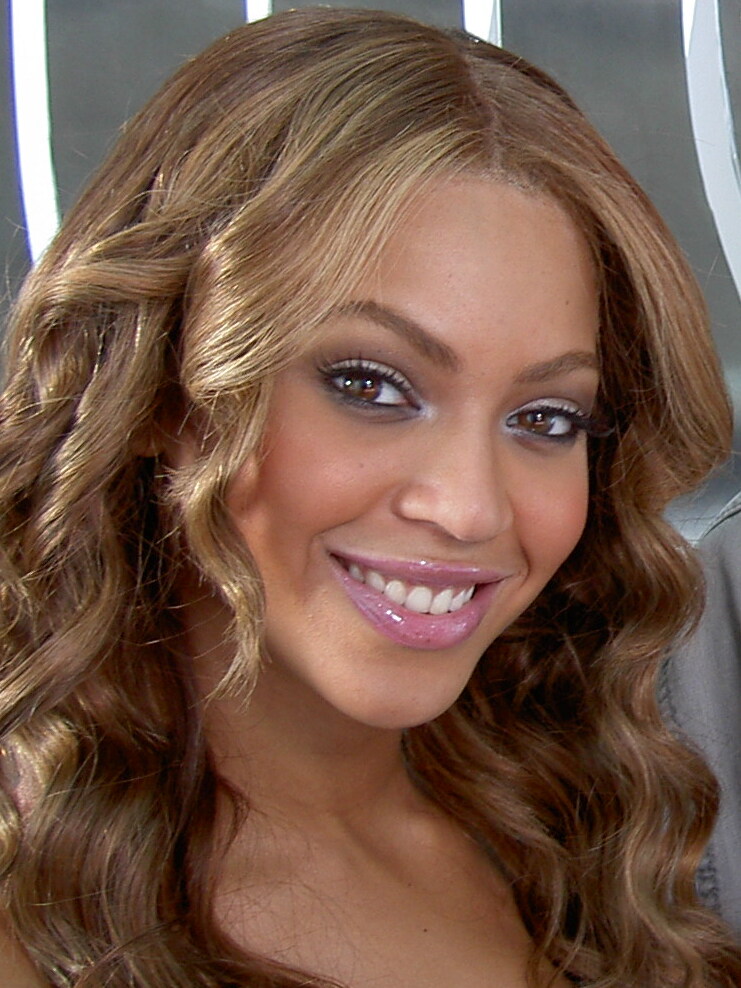
In a weekend post that seemed more like a tantrum than a policy statement, President Donald Trump called for the prosecution of *checks notes* Beyoncé over a fabricated campaign payment. Trump claimed—without evidence—that Beyoncé was paid $11 million for endorsing Vice President Kamala Harris during a 2024 campaign event. In reality, Harris’s campaign paid Beyoncé’s production company a routine $165,000 for staging a rally in Houston. That figure was quietly inflated by conspiracy theorists in online forums last year, mushrooming from $165,000 to $10 million, then to $11 million, and finally finding its way into the president’s official rhetoric.
There is no evidence of criminal wrongdoing, let alone anything approaching the scale Trump suggests. Yet his demand for prosecution was public, specific, and aimed not only at Beyoncé, but also Oprah Winfrey, Al Sharpton, and others who have publicly supported Harris. And while the claim is patently false, the damage has already taken hold: Beyoncé, Harris, and others are now targets of threats from Trump’s base.
This is not a one-off moment of hyperbole. Trump’s fixation on celebrity targets—especially prominent Black women—has been a recurring feature of his political playbook. Oprah, Rihanna, Megan Thee Stallion, and now Beyoncé: their visibility, success, and influence threaten his need for cultural dominance. When Trump invokes prosecution, it’s rarely grounded in law and often in retaliation. This time, it seems designed to do something more chilling: muddy the public discourse and sap media oxygen from far more serious allegations unfolding elsewhere—most notably, new developments in the Jeffrey Epstein case.
Trump’s outburst comes just as scrutiny over his long-known ties to Epstein has intensified. Though not widely covered on conservative media, recently unsealed documents and international reporting have cast renewed attention on Trump’s relationship with Epstein, including flight logs, social connections, and the Trump Organization’s apparent knowledge of Epstein’s activities. The timing of Trump’s Truth Social post attacking Beyoncé is conspicuous: the president was overseas, out of the headlines, and facing quiet but growing pressure over these revelations.
This playbook is familiar. Trump frequently derails bad press with new controversy, trading one scandal for another. In this case, he attempted to hijack a moment that rightfully belonged to Beyoncé. She had just concluded her groundbreaking Cowboy Carter tour with a sold-out Las Vegas show featuring a Destiny’s Child reunion. That triumph was replaced in the media ecosystem with headlines about an imaginary scandal.
But while Beyoncé is rich and powerful enough to weather a public smear campaign, the implications for democratic norms are far more dangerous. Trump’s post wasn’t just a distraction—it was a warning. If you endorse the “wrong” candidate, he will threaten prosecution, unleash his followers, and attempt to drive you off the stage. Free speech and free association are becoming partisan liabilities under this administration, and the message is loud and clear: loyalty isn’t just expected—it’s enforced.
Trump isn’t just waging a culture war. He’s using it to shield himself from accountability. Whether the target is Beyoncé or the press, the real threat isn’t a pop concert—it’s a presidency that increasingly sees legal power as a weapon, and dissent as a crime.



