
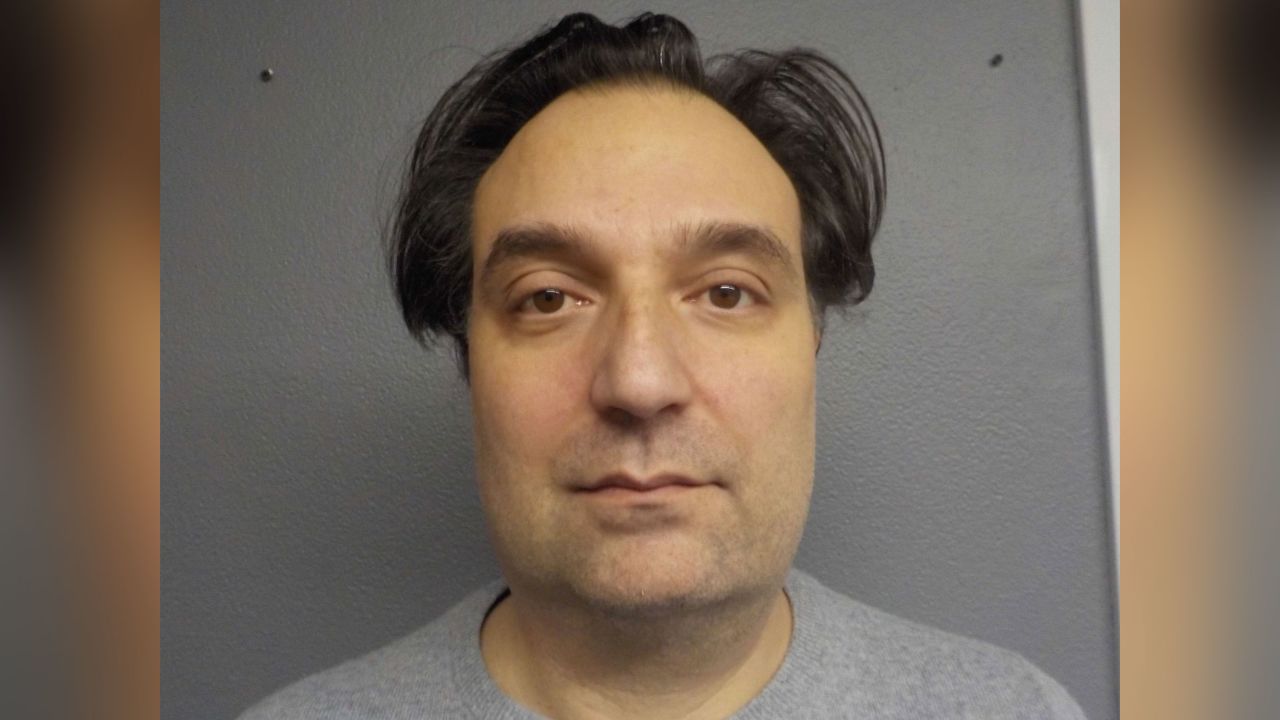
The legal team for Brian Walshe, the Massachusetts man accused of killing and dismembering his wife Ana Walshe in January 2023, returned to court this week to ask a judge to dismiss the first-degree murder charge against him. Arguing that prosecutors failed to provide sufficient evidence of premeditation to a grand jury, Walshe’s attorneys claimed that the case hinges on speculation and inference—not facts.
As Walshe’s defense argues that their client should walk free, it’s important to remember the woman at the center of the case: Ana Walshe. Her life was cut short under horrific circumstances when she was only 39-years-old. A Serbian-American mother of three, she was an ambitious immigrant who worked her way up through the hospitality industry to a regional general manager at a real estate company.
Her work took her from renowned properties like The Inn at Little Washington to management positions at luxury hotels in Massachusetts. In 2022, she was hired as a regional general manager at real estate giant Tishman Speyer—a role that had her splitting time between the family home in Cohasset, Massachusetts, and an apartment in Washington, D.C.
Ana’s disappearance on January 1, 2023, sparked a national search and media frenzy. Initially, Brian Walshe told investigators she had flown to D.C. early for a work emergency. But prosecutors later said Ana never boarded a flight, and her credit cards hadn’t been used since that day. Investigators say Brian lied to police, went shopping for cleaning supplies the next day, and that blood and a bloody knife were found in their basement.
Further alarming details emerged when prosecutors revealed a chilling Google search history on Brian’s devices—including questions about dismembering bodies, hiding evidence, and how long it takes for a corpse to smell.
Brian Walshe has pleaded not guilty to charges of first-degree murder, misleading investigators, and improper conveyance of a human body. His legal team now argues there is no direct evidence he knew Ana was allegedly having an affair—prosecutors’ stated motive for the killing—and therefore no proof of premeditation.
During the motion hearing this week, defense attorney Larry Tipton emphasized that neither testimony nor text records showed Brian had definitive knowledge of Ana’s extramarital relationship, asserting that any claims of motive are built on “piling inference on inference.” The defense also argued that the grand jury did not hear sufficient evidence to support the “extreme atrocity and cruelty” required for a first-degree murder charge under Massachusetts law.
Prosecutors, however, painted a different picture: a man facing legal, financial, and marital collapse, searching online for information about his wife’s alleged lover, Googling divorce laws, and browsing luxury items shortly before Ana vanished. They pointed to testimony suggesting Ana had given Brian an ultimatum about relocating their three children to Washington and that he was under pressure to repay $450,000 in court-ordered restitution for a prior fraud conviction. Prosecutors argue these stressors point to a calculated decision to remove Ana from the equation—through murder.
In spite of the fact that Ana’s body remains missing, prosecutors are confident that their evidence, both digital and forensic, is compelling enough to move forward with the trial that’s scheduled for October.
As legal maneuvering continues, Ana’s name risks being overshadowed by procedural arguments and speculative defenses. But her story—as an immigrant, a mother, a professional, and a woman whose life was filled with ambition and love for her children—should remain at the center of the story.



