
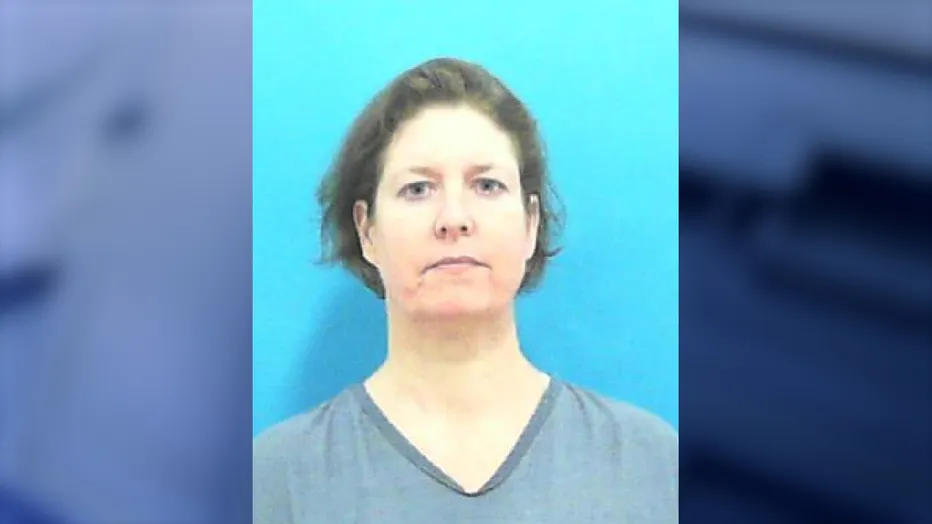
Sarah Boone, the Florida woman serving a life sentence for the murder of her boyfriend Jorge Torres Jr., claims her legal representation has disappeared—again. Boone alleges that her appellate attorney has not returned her calls or responded to her inquiries, raising concerns that her appeal is at risk of being derailed by inaction and missed deadlines.
The woman known nationally as the “Suitcase Killer” was convicted in 2024 of second-degree murder after zipping Torres into a suitcase and leaving him there to die. Video evidence presented at trial showed Boone taunting Torres as he begged for help, repeatedly telling him, “That’s what you get,” and blaming him for cheating on her. She later claimed it had all started as a game of hide-and-seek that went horribly wrong.
But Boone’s case did not end with her conviction. Since the verdict, she has reportedly cycled through more than ten attorneys, each brought on for various stages of her defense or appeals process. Now, according to recent reports, her current appellate lawyer has stopped communicating altogether—at the moment when deadlines are looming. Boone has until September 1 to file her appeal, following an extension already granted by the court.
Legal experts agree that the appellate process can be complex and slow-moving, often requiring extensive paperwork, strategy, and discretion from attorneys. But Boone’s accusations come with serious implications. If her lawyer fails to hit the deadline for filing an appeal, or not even communicate with the court, this could mean a total dismissal of her appeal on procedural grounds.
Boone’s story, and her courtroom behavior, have made her a lightning rod for public opinion. Critics have pointed to her courtroom outbursts, complaints, and the clown car of attorneys as attention seeking behavior. And worse, some legal critics believe that the revolving door of lawyers is all about maintaining control of her situation.
And yet, there is a deeper tension here—one not just about Boone’s behavior, but about the obligations of the legal system itself. Even convicted killers are entitled to due process and competent legal counsel. If her attorney is indeed neglecting the case, the justice system may be failing—not for Boone’s benefit, but for its own credibility.
Boone continues to maintain that she suffered abuse at the hands of Torres, describing him as violent and controlling. During her trial, she and her defense team presented a narrative shaped around battered spouse syndrome. The court, however, found that the evidence—including damning videos from Boone’s own phone—undermined her version of events. She was found guilty of locking Torres in a suitcase overnight, leading to his death by suffocation.
Torres’ family spoke powerfully at sentencing. His daughter described waking up in panic for months after her father’s death, reliving the nightmare over and over. His mother, Blanca Torres, said Boone “not only killed my son, she killed a father, a brother, an uncle.”
Still, Boone is entitled to an appeal under Florida law. And that appeal depends on her lawyer’s ability—and willingness—to file it. Legal commentators warn that without prompt action from her legal team, Boone’s appeal may never be heard on its merits. That would mean her conviction and life sentence would stand, regardless of whether she had a legitimate legal complaint.
Whether the appellate attorney’s silence is due to strategy, burnout, or sheer frustration with a high-profile and high-maintenance client is unclear. What is certain is that Boone is unlikely to let the matter rest quietly. In the past, she has filed her own letters to the court, criticized judges and prosecutors, and demanded new counsel at almost every opportunity.
That reputation makes it hard to separate the merits of her current complaint from the noise. But if her claim is true—that her lawyer is completely nonresponsive—then her appeal is on unstable footing. In a system where deadlines are strict and procedures unforgiving, even a brief lapse can have permanent consequences.
Boone, now 47, has expressed intentions to fight her conviction every step of the way. Her request for a new trial was already denied earlier this year, with the judge ruling that there had been no prosecutorial misconduct and that Boone’s trial had been fair. If her appeal fails due to missed deadlines or lawyer inaction, it may be her last chance at overturning her sentence.
For now, Boone remains incarcerated, with her legal future as uncertain as ever—and perhaps, once again, out of her own hands.



