
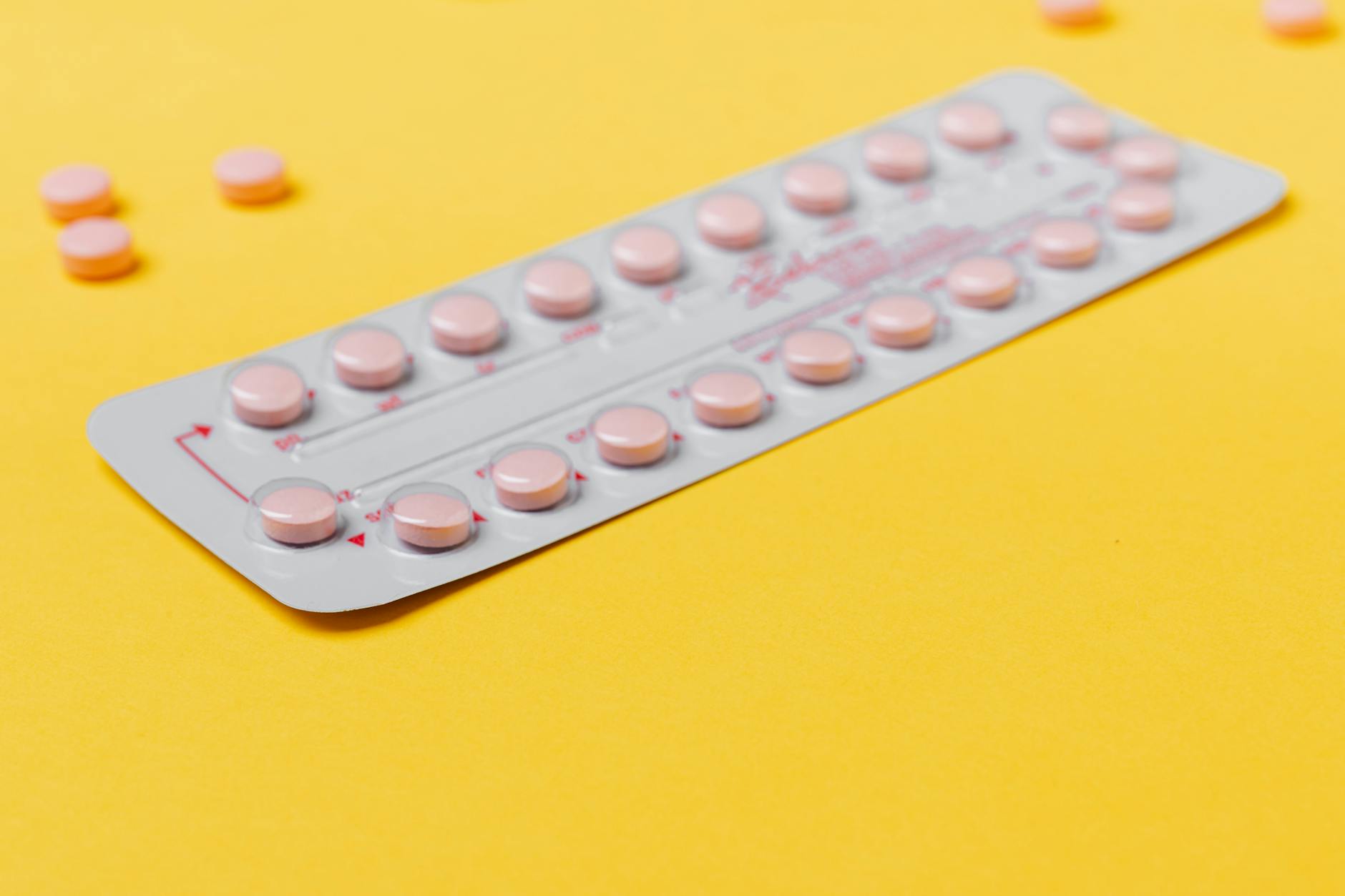
Birth control has given millions of women greater control over their reproductive health, but not without significant controversy. Over the decades, several birth control methods have led to serious health issues, sparking lawsuits and raising concerns about safety, testing, and transparency. These 10 major lawsuits in the history of birth control have shaped industry practices and consumer awareness.

The Dalkon Shield: Epic Disaster

The Dalkon Shield, a 1970s intrauterine device (IUD), caused infections, infertility, and even deaths due to its flawed design. A.H. Robins Company faced decades of litigation, leading to bankruptcy and a massive settlement fund for victims. This case remains one of the largest mass torts in history, setting a precedent for birth control-related lawsuits.
Essure: Massive Settlement

Essure, marketed as a permanent sterilization device, caused severe complications, including chronic pain, organ perforation, and device migration. Bayer, the manufacturer, settled lawsuits for $1.6 billion in 2022, years after the device was pulled from the market in 2018. This case highlighted gaps in medical device regulation and safety.
Yaz and Yasmin: Another Bayer Mishap

Bayer’s oral contraceptives Yaz and Yasmin were linked to blood clots, strokes, and heart attacks. By 2014, Bayer had paid $1.69 billion to settle thousands of lawsuits. Aggressive marketing and inadequate disclosure of risks led to one of the largest settlements for birth control pills in history.
NuvaRing: More Blood Clots, Strokes, and Heart Attacks

The contraceptive vaginal ring NuvaRing was found to increase the risk of blood clots, strokes, and heart attacks. Merck, its manufacturer, settled over $100 million in lawsuits in 2014, marking another major legal battle in the birth control industry.
Mirena: Migrating Mess

The Mirena IUD has faced numerous lawsuits over complications such as migration, organ perforation, and hormonal imbalances. Litigation is ongoing, with women reporting long-term injuries from the device. This case has fueled calls for better safety measures in IUD development.
Norplant: Huge Amount of Victims

Introduced in the 1990s, Norplant faced backlash due to severe side effects, including migraines, scarring, and depression. By 1999, the manufacturer settled claims from over 36,000 women, marking one of the first major legal defeats for hormonal birth control implants.
Implanon and Nexplanon: Unwanted Pregnancies

The Implanon implant faced lawsuits due to migration and unintended pregnancies, leading to complications. Nexplanon, its successor, remains on the market but continues to face legal scrutiny for similar issues, with complaints surfacing as recently as 2022.
Paragard: Breaking Upon Removal

Paragard, a non-hormonal IUD, has been linked to breakage during removal, resulting in organ damage and emergency surgeries. Litigation is ongoing, with women seeking compensation for injuries. Paragard’s case underscores the importance of thorough testing for long-term use devices.
Depo-Provera: Brain Tumor Risk

In 2024, lawsuits were filed against Pfizer, the maker of Depo-Provera, after research linked prolonged use to brain and spinal cord tumors (meningiomas). This case could lead to significant settlements as more women come forward with claims of serious side effects.
Loestrin 24 FE: Injury and Antitrust Issues

Beyond injury claims, Loestrin 24 FE faced antitrust lawsuits for delaying the release of generic versions of the drug. This case highlighted both health risks and corporate practices that negatively affect consumers.



