
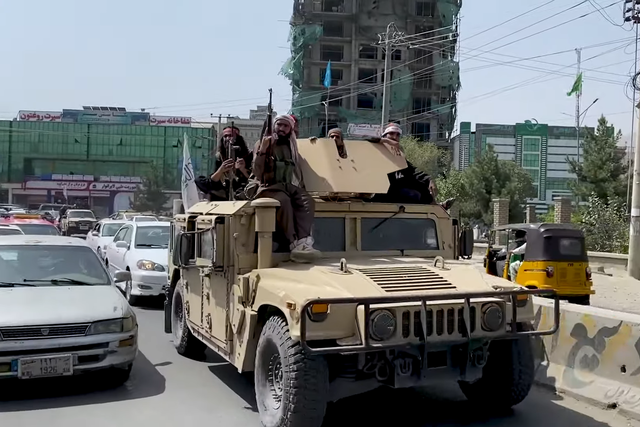

Under Taliban rule, Afghan women face severe restrictions that significantly limit their rights and freedoms. The restrictions imposed on women under Taliban law go beyond individual rights violations; they constitute systemic efforts to erase women from public and professional life. These prohibitions have far-reaching consequences, affecting the overall development and prosperity of Afghan society. International advocacy and support remain crucial in addressing these injustices.
Here are ten key prohibitions imposed on women under Taliban rule.
Access to Education

The Taliban has banned girls from attending secondary schools and universities, effectively halting their education beyond the primary level. This denial of education restricts women’s ability to acquire skills and knowledge essential for personal and professional growth. By eradicating opportunities for learning, the Taliban undermines future generations’ ability to contribute meaningfully to society and the economy.
Employment Opportunities

Women are prohibited from working in most sectors, particularly in government roles and NGOs. This ban forces many families into financial hardship, especially in households reliant on women’s incomes. Furthermore, it eliminates women from positions where they could influence policies, serve as role models, or advocate for social change, thereby perpetuating systemic inequality.
Freedom of Movement

Women are not allowed to travel long distances without a male guardian (mahram). This restriction severely limits their autonomy, curtails their ability to access basic services, and isolates them from public life. Many women are unable to visit healthcare facilities, attend job interviews, or escape abusive domestic situations due to this enforced dependency.
Dress Code Enforcement

A strict dress code mandates women to wear garments like the burqa that cover them entirely, including their faces. Non-compliance can result in public humiliation, fines, or even physical punishment. This policy reinforces the notion of women as property whose visibility and expression must be controlled, reducing their presence in the public sphere.
Participation in Public Life

Women are completely excluded from politics and leadership roles. This prevents them from contributing to decision-making processes and advocating for their rights. The lack of representation reinforces a male-dominated system where women’s needs and perspectives are disregarded in legislation and governance.
Access to Public Spaces

Women are banned from entering parks, gyms, and other recreational spaces, which limits their opportunities for leisure, exercise, and socialization. This exclusion not only impacts their physical and mental health but also further segregates them from public life, making their presence in society nearly invisible.
Healthcare Services

Accessing healthcare is difficult for women without a male guardian. This restriction leads to delays in receiving medical attention, particularly for unmarried women. It also discourages women from seeking preventive care, resulting in worsening health outcomes and higher maternal mortality rates.
Freedom of Expression

Women are prohibited from speaking in public settings, particularly in a way that could attract attention. This silences their voices in discussions about their own rights and experiences. It also stifles female participation in media, academia, and public discourse, contributing to a lack of diverse perspectives in Afghan society.
Access to Justice

The dismantling of support systems for survivors of gender-based violence has left women vulnerable to abuse without any recourse. Women who attempt to report violence or seek justice risk further victimization or punishment. This lack of protection emboldens perpetrators and perpetuates a cycle of abuse and oppression.
Participation in Cultural Activities

Female artists, musicians, and performers are barred from expressing themselves through their craft. This suppression deprives Afghan culture of the richness of diverse artistic contributions and denies women a platform for storytelling, resistance, and cultural preservation. Women who defy these rules often face harassment, imprisonment, or worse.






