
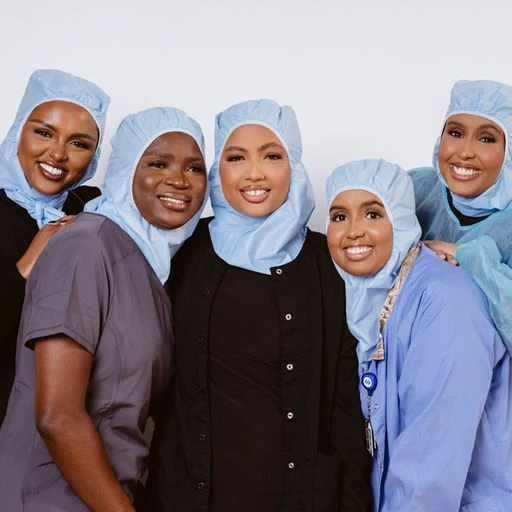
In the healthcare industry, personal protective equipment (PPE) plays a critical role in ensuring the safety of workers and patients. However, one group of professionals has often been overlooked in the design and provision of PPE: hijab-wearing healthcare workers. Recognizing this gap, two visionary women developed disposable hijabs, founding a company called Mawadda to address this significant need. Their innovative approach has not only provided a practical solution but has also highlighted the importance of inclusivity in workplace safety.
Identifying the Gap in PPE for Hijab-Wearing Healthcare Workers
For many Muslim women who wear hijabs, working in healthcare has posed unique challenges. Hijabs, an essential part of their faith and identity, often need to be removed or adapted in medical settings due to contamination concerns or PPE protocols. Traditional hijabs are not designed for single-use or sterilization, which can lead to discomfort or safety risks.
Healthcare workers typically wear their hijabs throughout the day, but in high-risk environments such as operating rooms or infectious disease wards, maintaining cleanliness becomes crucial. The lack of disposable options forces some to compromise their religious practices or resort to makeshift solutions that may not meet safety standards.
The founders of Mawadda, both hijab-wearing women themselves, understood this problem deeply. With backgrounds in healthcare and design, they decided to create a solution that would allow Muslim women to maintain their faith and professionalism without compromising on safety or convenience.
The Birth of Mawadda
Mawadda was born out of a shared vision between the two founders to empower Muslim women in healthcare. The name “Mawadda,” which means compassion or affection in Arabic, reflects the company’s mission to support healthcare workers with thoughtful and inclusive solutions.
The idea of disposable hijabs emerged after extensive research and consultations with healthcare professionals. The founders realized that the design had to meet multiple criteria:
- Hygiene and Safety: The hijabs needed to be made of breathable, sterilizable, and hypoallergenic materials suitable for use in medical environments.
- Comfort and Practicality: As healthcare professionals work long hours, the hijabs needed to be lightweight and comfortable for extended wear.
- Ease of Use: The hijabs had to be disposable and easy to don and doff without compromising hygiene.
Designing the Disposable Hijab
The founders collaborated with textile experts, healthcare workers, and manufacturers to create the final product. Mawadda’s disposable hijabs are crafted from non-woven, medical-grade materials similar to those used in surgical masks and gowns. This ensures they meet stringent safety standards while remaining breathable and comfortable.
The design is sleek and functional, featuring an adjustable fit to accommodate various head sizes and shapes. Unlike traditional hijabs, Mawadda’s version can be disposed of after a single use, eliminating concerns about contamination or cleaning. The hijabs are available to provide healthcare workers with options that align with their personal preferences.
The Impact on Hijab-Wearing Healthcare Workers
The introduction of disposable hijabs has been revolutionary for hijab-wearing healthcare professionals. Many have shared how Mawadda’s innovation has improved their work environment by providing a sense of security and dignity.
Before Mawadda, some workers were forced to use alternatives like surgical caps or head coverings not designed for their needs. These makeshift solutions often left them feeling excluded or forced to compromise their faith. With Mawadda’s hijabs, they can now perform their duties without any such concerns.
In addition to meeting practical needs, Mawadda’s product sends a powerful message about inclusivity. By addressing the unique challenges faced by Muslim women in healthcare, the company is setting an example for other industries to follow.
Challenges Faced by Mawadda
Like any groundbreaking innovation, Mawadda faced its share of challenges. Initially, funding and production posed significant hurdles. The founders were in a niche market with very specific needs of hijab-wearing healthcare workers.
Another challenge was creating awareness among healthcare institutions about the need for disposable hijabs. The founders engaged in extensive outreach to get their product into the mainstream mind. Their efforts paid off, as more hospitals and healthcare facilities are aware of the potential for Mawadda’s hijabs as part of their PPE offerings.
Global Reach and Recognition
Mawadda’s disposable hijabs have gained international recognition. The company has been featured in prominent media outlets and has received accolades for its innovative approach to diversity and inclusion.
The COVID-19 pandemic further highlighted the importance of Mawadda’s work. As healthcare workers faced unprecedented risks, the need for safe, inclusive PPE became even more critical. Mawadda stepped up, ensuring their products will be widely available to those who needed them most.
A Broader Message of Inclusivity
Mawadda’s story is more than just a tale of innovation; it’s a testament to the power of identifying and addressing overlooked needs. The disposable hijab is not just a product but a symbol of inclusivity and compassion in the workplace.
By creating a solution that respects both faith and functionality, Mawadda has set a new standard for industries worldwide. Their work reminds us that inclusivity is not just about representation; it’s about creating environments where everyone can thrive.
Final Thoughts
Mawadda’s disposable hijabs represent a small but significant step toward a more inclusive and equitable world. The two women behind the company have shown that innovation and empathy can go hand in hand, creating products that make a tangible difference in people’s lives.
As Mawadda continues to grow, their impact will likely extend beyond healthcare, inspiring other industries to prioritize inclusivity in their designs and practices. For hijab-wearing healthcare workers, Mawadda’s disposable hijabs are more than just a practical solution—they’re a source of empowerment and a reminder that their needs matter.



