
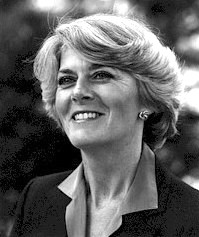
Geraldine Ferraro is remembered as a pioneering figure in American politics, a woman who broke barriers and challenged the status quo. Her nomination as the first female vice-presidential candidate for a major political party in the United States was a watershed moment in American history. Ferraro’s life was a testament to resilience, dedication, and the belief that women belong in the highest echelons of leadership.
Early Life and Career
Geraldine Anne Ferraro was born on August 26, 1935, in Newburgh, New York, to Italian immigrant parents. Her father, Dominick, was a restaurateur and real estate broker, while her mother, Antonetta, worked as a seamstress. When Ferraro was just eight years old, her father passed away, leaving her mother to raise four children alone. Despite the financial struggles, her mother prioritized education, a value that Ferraro carried with her throughout her life.
Ferraro excelled academically, earning a scholarship to Marymount Manhattan College, where she graduated in 1956 with a degree in English. Initially pursuing a career in teaching, she worked in public schools in Queens, New York. However, Ferraro’s ambitions extended beyond the classroom. She attended Fordham University School of Law at night, one of only two women in her class, and earned her law degree in 1960.
Entry into Politics
Ferraro’s legal career began as an assistant district attorney in Queens, where she focused on prosecuting sex crimes and child abuse cases. Her experiences in this role, particularly the disparities she witnessed, fueled her desire to bring change through legislation. In 1978, Ferraro successfully ran for a seat in the U.S. House of Representatives, representing New York’s 9th Congressional District.
During her three terms in Congress, Ferraro championed issues that directly impacted women, families, and the working class. She advocated for gender equality, wage equity, and pension reform. Ferraro also played a key role in drafting the Economic Equity Act, which aimed to eliminate financial disparities between men and women.
The Historic Vice-Presidential Nomination
In 1984, Ferraro’s political career reached its zenith when Walter Mondale, the Democratic presidential candidate, selected her as his running mate. This groundbreaking nomination marked the first time a woman had been chosen to run for vice president on a major party ticket in the United States.
Ferraro’s selection was met with both celebration and scrutiny. For many, her nomination symbolized progress and a step toward gender equality in politics. Ferraro herself embraced this historic moment, stating, “If we can do this, we can do anything.”
However, the campaign trail was not easy. Ferraro faced relentless media attention and often sexist criticism. Her finances and those of her husband, John Zaccaro, were subjected to intense scrutiny, overshadowing much of the campaign. Despite these challenges, Ferraro remained steadfast, using her platform to highlight issues such as equal pay, reproductive rights, and social justice.
Ultimately, the Mondale-Ferraro ticket lost to the incumbent team of Ronald Reagan and George H.W. Bush in a landslide. Nevertheless, Ferraro’s nomination left an indelible mark on American politics, inspiring countless women to pursue careers in public service and leadership.
Life After Politics
After the 1984 election, Ferraro continued to be a vocal advocate for women’s rights and social justice. She returned to practicing law and also became a television commentator, offering her insights on political issues. In the 1990s, Ferraro served as the U.S. ambassador to the United Nations Commission on Human Rights under President Bill Clinton.
Ferraro made another bid for political office in 1992 when she ran for the U.S. Senate in New York. Although she did not win the Democratic primary, her campaign reinforced her commitment to public service and advocacy.
Throughout her life, Ferraro remained a tireless advocate for cancer research and education. Diagnosed with multiple myeloma in 1998, she used her personal battle with the disease to raise awareness and funding for medical research.
Legacy and Impact
Geraldine Ferraro’s legacy is one of courage, perseverance, and trailblazing leadership. Her vice-presidential nomination in 1984 shattered the glass ceiling in American politics, paving the way for future female leaders. Kamala Harris, who became the first female vice president of the United States in 2021, can thank Ferraro as one of the pioneers who made her own journey possible.
Ferraro’s commitment to equality extended beyond her political career. She worked tirelessly to ensure that women had access to opportunities in every field, believing that representation mattered at all levels of leadership. Her dedication to public service and her ability to navigate the challenges of being a woman in a male-dominated political arena serve as an enduring example of resilience and determination.
Challenges Faced
Ferraro’s career was not without its challenges. The scrutiny she faced during the 1984 campaign highlighted the double standards that women often endure in public life. Her finances were dissected in ways that male candidates rarely experienced, and her qualifications were frequently questioned despite her impressive legal and legislative record.
Despite these obstacles, Ferraro’s ability to remain poised and focused resonated with many Americans. Her journey underscored the importance of challenging societal norms and pushing for a more inclusive political landscape.
Inspiring Future Generations
Ferraro’s life and career continue to inspire women around the world. Her groundbreaking nomination in 1984 demonstrated that women could aspire to and achieve the highest offices in government. She proved that leadership is not determined by gender but by vision, dedication, and the willingness to serve.
Ferraro’s influence is evident in the increasing number of women running for political office and taking on leadership roles in various sectors. Her legacy is a reminder that progress is possible, even in the face of adversity.
Final Thoughts
Geraldine Ferraro was more than a politician; she was a symbol of progress and a beacon of hope for many. Her courage to break barriers and challenge the status quo changed the landscape of American politics. While her journey was marked by challenges, her achievements and impact remain a testament to her strength and determination. Ferraro’s story is one of inspiration, reminding us all that with perseverance and vision, we can break through the barriers that hold us back.



