
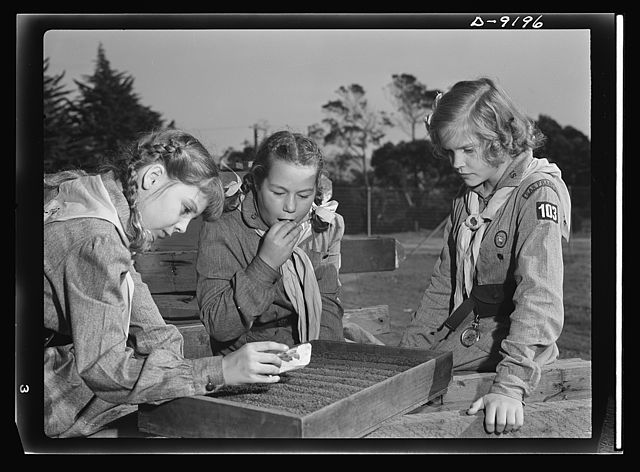
The Girl Scouts of the United States of America (GSUSA) is an iconic organization known for its dedication to building courage, confidence, and character in girls. Famous for their cookies, badges, and campouts, the Girl Scouts is more than just an extracurricular activity—it is a movement that has empowered millions of girls since its inception. But how did this transformative organization begin? To understand the significance of the Girl Scouts today, we must first delve into the inspiring story of their origin.
The Visionary Behind the Movement: Juliette Gordon Low
The Girl Scouts was founded by Juliette Gordon Low, a trailblazer who believed in the power of young women to make a difference in their communities and the world. Born in Savannah, Georgia, in 1860, Low (affectionately called “Daisy” by friends and family) was a creative, adventurous, and resourceful individual. Despite facing personal challenges, including significant hearing loss, she maintained an unyielding passion for making a positive impact.
In 1911, Low met Sir Robert Baden-Powell, the founder of the Boy Scouts and Girl Guides in the United Kingdom. Inspired by his movement and its focus on outdoor skills, self-reliance, and community service, Low saw an opportunity to bring a similar program to the United States. She envisioned a space where girls could develop leadership skills, foster friendships, and challenge societal expectations.
The First Troop
On March 12, 1912, Juliette Gordon Low assembled the first Girl Scout troop in Savannah, Georgia, with just 18 girls. These pioneers were eager to learn new skills, embrace outdoor adventures, and engage in community service. Low used her own funds to support the group and dedicated herself to building a solid foundation for the organization.
From the very beginning, Girl Scouts focused on inclusivity and skill-building. The activities ranged from traditional homemaking skills, like cooking and sewing, to less conventional pursuits at the time, such as camping, first aid, and even signaling with Morse code. Low believed that girls deserved the same opportunities as boys to explore their potential and contribute to society.
The Rapid Expansion of the Movement
The Girl Scouts quickly grew beyond Savannah. Juliette Gordon Low traveled tirelessly, organizing troops across the United States and encouraging women to take leadership roles as troop leaders. By 1913, the organization had published its first handbook, How Girls Can Help Their Country, which laid out its mission and core values.
By 1915, the Girl Scouts was incorporated as a national organization, with Low serving as its first president. She worked to ensure that the organization was accessible to girls from all backgrounds, regardless of race, religion, or economic status—a progressive stance for the time. Her efforts to secure funding, recruit volunteers, and standardize the program paid off as the Girl Scouts became a respected institution.
The Core Values and Evolving Programs
At its heart, the Girl Scouts has always been about empowering girls to develop leadership skills, practice good citizenship, and embrace challenges. The organization’s core values are reflected in the Girl Scout Promise and Law, which emphasize honesty, responsibility, kindness, and courage.
Over the years, the Girl Scouts have adapted their programs to reflect societal changes and the evolving interests of girls. While early activities focused on traditional skills and outdoor adventures, modern programs include STEM (science, technology, engineering, and math) initiatives, entrepreneurship training, and digital literacy. This flexibility ensures that the Girl Scouts remain relevant and impactful in an ever-changing world.
The Iconic Girl Scout Cookies
One of the most recognizable aspects of the Girl Scouts is their annual cookie sales. This tradition began in 1917, when a troop in Muskogee, Oklahoma, baked and sold cookies as a fundraiser. By the 1930s, cookie sales had become an official part of the Girl Scouts program, and standardized recipes and packaging followed in the years to come.
Today, Girl Scout cookies are not only a beloved treat but also an essential tool for teaching entrepreneurship and financial literacy. Selling cookies helps girls learn valuable skills, such as goal-setting, money management, and customer service, while raising funds to support their troop’s activities and community projects.
Girl Scouts and Social Change
Throughout its history, the Girl Scouts have been at the forefront of social change. During World War I and World War II, Girl Scouts supported the war effort by collecting food, rolling bandages, and selling war bonds. In the 1950s and 1960s, the organization played a role in the civil rights movement by integrating troops and promoting equality.
In recent decades, the Girl Scouts have focused on addressing contemporary issues, such as environmental sustainability, gender equality, and mental health. They have also expanded their reach globally through partnerships with the World Association of Girl Guides and Girl Scouts (WAGGGS), empowering girls in over 150 countries.
The Legacy of Juliette Gordon Low
Juliette Gordon Low’s vision continues to inspire millions of girls and women worldwide. She believed that girls, given the opportunity, could achieve greatness and positively impact their communities. Her legacy is celebrated every year on October 31, known as Founder’s Day, in honor of her birthday.
Low’s dedication to inclusivity and empowerment has ensured that the Girl Scouts remain a relevant and dynamic organization. More than 50 million American women have participated in the Girl Scouts, including notable figures like Hillary Clinton, Michelle Obama, and Venus Williams.
Challenges and the Future of the Girl Scouts
Like any long-standing organization, the Girl Scouts have faced challenges. Competition from other youth programs, changes in family dynamics, and the rise of digital technology have required the organization to innovate continually. Despite these hurdles, the Girl Scouts remain committed to their mission of empowering girls to be leaders and change-makers.
Looking ahead, the Girl Scouts aim to expand their STEM programs, increase accessibility for underserved communities, and continue fostering a sense of community and belonging for girls worldwide.
Final Thoughts
The Girl Scouts’ journey from a single troop in Savannah to a global movement is a testament to the power of vision, dedication, and resilience. Juliette Gordon Low’s belief in the potential of girls has transformed countless lives, equipping them with the skills and confidence to make a difference.
As the Girl Scouts enter their second century, their commitment to inclusivity, leadership, and service ensures that they will continue to inspire and empower generations of girls to come.



