
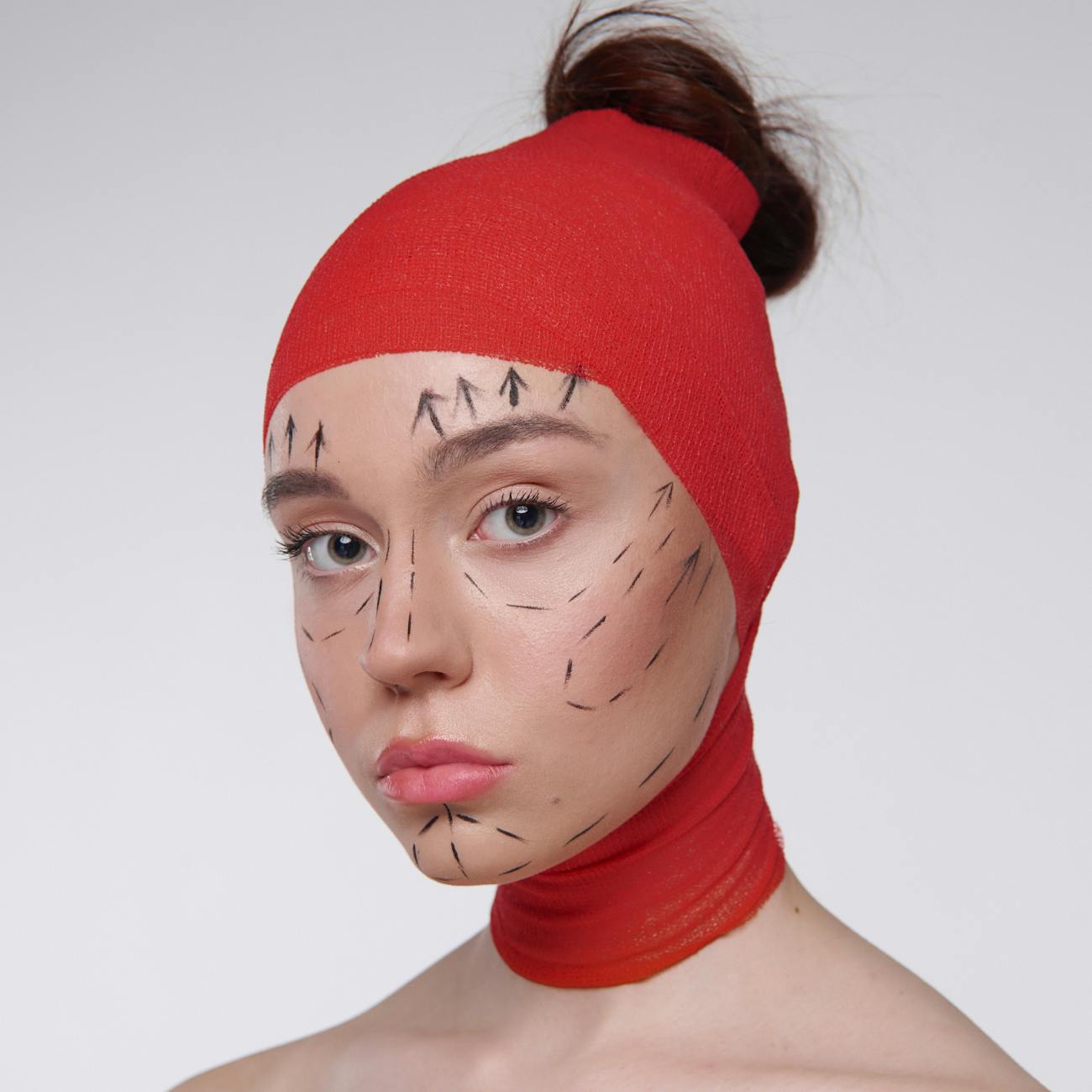
The early 2000s were a heyday for reality television, and The Swan stood out as one of the most controversial shows of its time. Airing on Fox in 2004, the series was both a cultural phenomenon and a lightning rod for criticism. With its unique premise of transforming “ordinary” women into “beauties,” The Swan sparked conversations about self-esteem, beauty standards, and the ethics of extreme makeovers.
The Concept of The Swan
The Swan was a competitive makeover show like no other. The concept was simple yet shocking: each season featured 16 women who underwent extreme physical and emotional transformations with the help of a team of professionals. These professionals included plastic surgeons, dentists, personal trainers, therapists, and stylists. The goal? To turn these women, who were often labeled as “ugly ducklings,” into “swans.”
Each episode focused on two contestants who underwent rigorous transformations. These changes often included major surgical procedures such as rhinoplasties, breast augmentations, liposuction, and dental work. The contestants were also required to follow strict exercise regimens and diet plans. At the end of the episode, one of the two women advanced to a “pageant,” where the most “improved” contestant would be crowned “The Swan.”
The name of the show was a direct reference to the fairy tale The Ugly Duckling, in which an ungainly bird grows into a beautiful swan. The show positioned itself as a fairy-tale-like transformation for real women, promising them newfound confidence and a fresh start.
Casting and Participants
The women selected to participate in The Swan were often struggling with low self-esteem, troubled pasts, or insecurities about their appearance. The show’s producers marketed it as an empowering opportunity for these women to regain control of their lives. However, participants were contractually bound to keep their transformations a secret during filming and were not allowed to see themselves in mirrors throughout the process—a feature that added a dramatic reveal element to the show.
The transformations were extensive, often involving up to a dozen surgical and cosmetic procedures per contestant. Participants were chosen based on their willingness to undergo such intense physical and emotional changes.
Reception and Ratings
The Swan premiered on April 7, 2004, and immediately garnered massive attention. It drew high ratings, with millions tuning in each week to watch the contestants’ transformations. The allure of the dramatic “before and after” reveals and the emotional stories of the participants kept audiences hooked.
However, the show’s popularity was matched by its notoriety. Critics and viewers alike debated the ethics of subjecting women to such drastic changes in the name of entertainment. Despite the criticism, the show was renewed for a second season, which aired in the fall of 2004.
Controversies and Criticisms
Unrealistic Beauty Standards
One of the primary criticisms of The Swan was its promotion of unattainable beauty standards. The show suggested that physical beauty was the key to happiness and self-worth. Critics argued that it perpetuated harmful stereotypes, implying that a person’s value was tied to their appearance.
Lack of Focus on Mental Health
Although the show included therapists on its team of professionals, the emphasis was overwhelmingly on physical transformations. The mental health aspect was often overshadowed by the dramatic surgical procedures, leaving many to question whether the participants were adequately supported emotionally.
Ethical Concerns
The secrecy element—keeping contestants from seeing their own reflections for weeks—raised ethical questions. Critics argued that this practice was manipulative and could exacerbate feelings of disorientation or self-doubt. Additionally, the competitive aspect of the show, where women were judged on their transformations, was seen as damaging and dehumanizing.
Health Risks
The rapid succession of multiple surgeries raised concerns about the health and safety of participants. Medical experts criticized the show for downplaying the risks associated with undergoing numerous invasive procedures within a short timeframe.
Public Backlash
Despite its ratings success, The Swan faced significant backlash from advocacy groups and media outlets. Many condemned the show for exploiting women’s insecurities for profit. Publications lambasted the series as a troubling commentary on society’s obsession with beauty.
Cultural Impact
The Swan was emblematic of a larger trend in early 2000s reality TV, which often focused on personal transformation. Shows like Extreme Makeover, Queer Eye for the Straight Guy, and Biggest Loser capitalized on audiences’ fascination with change. However, The Swan stood out for its unapologetically extreme approach.
The show tapped into the zeitgeist of the early 2000s, when plastic surgery was becoming more normalized and accessible. It reflected society’s growing interest in cosmetic procedures and the lengths people would go to achieve idealized beauty.
The Swan also sparked a larger conversation about media and its role in shaping self-perception. While some viewers found the show inspiring, others saw it as a cautionary tale about the dangers of prioritizing appearance over substance.
Behind the Scenes
Behind the concept of The Swan were producers Nely Galán and Arthur Smith. Galán, a former president of entertainment for Telemundo, was particularly vocal about the show’s mission. She described it as an empowering opportunity for women to take control of their lives and start fresh.
The production team worked with a rotating group of professionals, including renowned plastic surgeons and dentists. The show’s high production value was evident in its dramatic reveals and polished presentation.
Aftermath and Legacy
The Swan ended after its second season, leaving behind a complicated legacy. While it remains a cultural touchstone for reality TV enthusiasts, its controversial premise has not aged well. The show is often cited as an example of the excesses of early 2000s reality television and the problematic portrayal of women in media.
In recent years, the entertainment industry has moved toward more inclusive and body-positive programming. Shows like RuPaul’s Drag Race and The Great British Bake Off celebrate individuality and talent rather than physical appearance. However, the impact of The Swan can still be seen in today’s reality TV landscape, where transformation narratives continue to thrive.
Where Are They Now?
Many of the participants from The Swan have since spoken out about their experiences. Some have expressed gratitude for the opportunity to change their lives, while others have criticized the show for its emphasis on appearance over substance.
Nely Galán, the show’s creator, continued to work in television and media, focusing on empowering women through entrepreneurship. She has largely defended The Swan, describing it as a product of its time.
Lessons from The Swan
Nearly two decades after its debut, The Swan serves as a case study in the power and pitfalls of reality television. It highlights the ethical dilemmas of entertainment and the impact of media on societal values.
While the show offered participants a chance to transform their lives, it also underscored the dangers of equating self-worth with physical appearance. Its legacy is a reminder of the importance of promoting diverse and realistic representations of beauty in media.
Final Thoughts
The Swan was a polarizing show that captivated audiences and sparked heated debates. Its extreme approach to beauty and transformation made it a cultural phenomenon, but its ethical implications left a lasting mark on the entertainment industry. As society continues to grapple with issues of self-esteem and body image, The Swan remains a cautionary tale about the complexities of reality television and the pursuit of perfection.



