
Parenting during the medieval period, which spanned roughly from the 5th to the late 15th century, differed markedly from contemporary child-rearing practices, shaped by the distinct societal, cultural, and economic conditions of the time. This deep dive into medieval parenting unveils how historical contexts influenced the upbringing of children and shaped the familial and community relationships.
Societal Context and Family Structure
In the Middle Ages, the structure of society was primarily agrarian and feudal. Families were integral parts of a larger community, where each member, including children, played a role that contributed to the survival and stability of their social unit. This collective approach significantly influenced parenting, with children viewed as essential to the family’s labor force from an early age.
Birth and Infancy
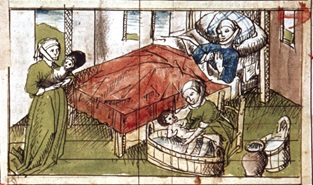
The birth of a child was a fraught time with high risks of mortality for both mother and infant. Childbirth was assisted by midwives, who were typically experienced women lacking formal medical training. Due to high infant mortality rates, emotional investment in newborns was often cautious, with significant milestones like baptisms delayed until the child’s survival seemed more assured.
Childhood Stages
Medieval society did not recognize childhood as a unique phase of life deserving special attention and protection, as modern societies do. After infancy, children were quickly integrated into the working world. The notion of play was minimal, and while children did engage in games, these activities were often designed to develop skills useful in adult life.
Education and Vocational Training
Educational practices varied significantly across different social strata:
- Nobility and Royalty: Education for the nobility was structured and comprehensive, including training in etiquette, languages, arts, and estate management. Boys might be sent to serve in another noble house or study under church officials, while girls learned skills pertinent to running a household.
- Commoners: For peasant children, education was informal and focused on skills directly related to agricultural and domestic tasks necessary for their family’s survival. Boys and girls alike were expected to contribute to household labor from a young age.
Discipline and Moral Guidance
Disciplinary measures were strict and often severe. The prevalent belief was that children were inherently sinful and needed correction to become morally upright adults. Corporal punishment was common and accepted as necessary for instilling obedience and respect in children.
Health and Survival
Healthcare during the medieval period was rudimentary, and child mortality was high. Medical practices were influenced by a mix of superstition, religious beliefs, and limited empirical knowledge. Herbal remedies were common, and prayers and religious rites were crucial components of seeking healing.
The Role of Religion
Religion permeated every aspect of medieval life, including parenting. Children were indoctrinated into Christian doctrine from a young age, which was believed to prepare them spiritually for the trials of life and the afterlife. Religious festivals and church services were integral to communal life, serving both spiritual and social functions.
Extended Family Dynamics
Extended families often lived under one roof or in close proximity, making child-rearing a communal effort. Grandparents, if they lived to an old age, were respected as custodians of wisdom and tradition, playing significant roles in the moral and practical education of their grandchildren.
Coming of Age
Adulthood was marked by specific rites of passage, which could include formal ceremonies like knighthood for noble boys or marriage for girls, often arranged in their early teens. These events signaled the individual’s readiness to take on adult responsibilities and roles within the community.
Parental Love and Expressions of Affection
Expressions of parental affection in the Middle Ages were likely more restrained than today, influenced by the high rates of child mortality and the overall harshness of life. Parents certainly loved their children, but the expressions of such affection were tempered by the prevailing conditions and the need for children to grow up quickly.
Legacy and Inheritance
For noble families, ensuring the continuation of lineage and the inheritance of titles and lands was a significant aspect of parenting. This often determined marriage alliances and educational priorities. For commoners, passing on skills and ensuring the survival of the family unit through cooperative labor were the main concerns.
Final Thoughts
Parenting in the Middle Ages was deeply intertwined with the broader social and economic conditions of the era. While fundamentally different from modern child-rearing practices, the medieval approach to parenting shared the common goal of preparing children for the challenges of adult life. The harsh realities of the time shaped a parenting style that was practical, community-oriented, and imbued with a strong sense of duty to both family and faith. This historical exploration highlights the evolution of parenting roles and the enduring influence of past practices on contemporary family life.



