
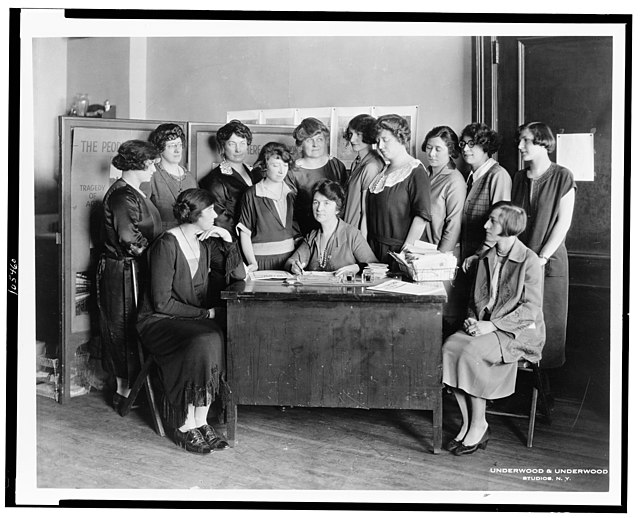
Margaret Sanger, a pioneering advocate for women’s reproductive rights, remains a controversial figure whose life’s work has had a profound impact on public health policy and women’s autonomy over their own bodies. As the founder of what would become Planned Parenthood, Sanger championed the causes of birth control and women’s health education, forever altering societal norms around family planning and reproductive health.
Early Life and Influences
Born Margaret Higgins in 1879 in Corning, New York, Sanger was one of 11 children. Her mother’s frequent pregnancies and early death left a lasting impression on young Margaret, highlighting the direct link between frequent childbirths and maternal morbidity and mortality. This personal background, combined with her training as a nurse, galvanized her commitment to advocating for birth control—a term she popularized.
The Birth Control Movement Begins
Sanger began her campaign for birth control in the early 20th century, a time when the Comstock Laws made it illegal to distribute or promote any materials related to contraception. In 1916, she opened the first birth control clinic in the United States in Brooklyn, New York. This act of defiance against the legal and social norms of the day resulted in her arrest, but it also ignited a nationwide debate about women’s reproductive rights.
Her trial and initial appeal, which she lost, nevertheless brought significant attention to the issue. Sanger cleverly used her courtroom experience to her advantage, garnering public support and the backing of influential figures who could aid her cause.
The Formation of Planned Parenthood
In 1921, Sanger founded the American Birth Control League, the precursor to what is now Planned Parenthood Federation of America. Her goal was not merely to promote birth control but to enhance women’s health, reduce infant mortality, prevent back-alley abortions, and alleviate the socio-economic burdens of unplanned pregnancies. She emphasized that family planning and control over reproduction were fundamental rights that should be available to all women, regardless of economic status.
Advocacy and Controversy
Margaret Sanger’s advocacy work was not without its controversies. One of the most debated aspects of her legacy is her support for eugenics, a stance that she shared with many intellectuals and public figures of her time. Sanger’s belief in eugenics was primarily focused on the application of birth control to improve the genetic composition of the human race—a view that has been widely criticized for its ethical implications.
Despite these controversies, Sanger’s impact on women’s reproductive rights and health is undeniable. She helped to shift public opinion and opened the door to changes in the laws governing birth control and abortion, both in the United States and internationally.
The Impact of Planned Parenthood
Today, Planned Parenthood is the largest single provider of reproductive health services in the United States, including cancer screening, HIV screening and counseling, contraceptive services, and abortion services. The organization plays a crucial role in providing affordable health care to millions of women, men, and young people worldwide, with a strong emphasis on prevention and education.
Legal Battles and Ongoing Advocacy
Planned Parenthood has frequently been at the center of legal and political battles, particularly regarding its provision of abortion services and its role in sex education. Critics often target the organization with claims that it misuses federal funds and promotes abortion, while supporters argue that it is a vital resource for safe and comprehensive healthcare services not only for women but also for men and the LGBTQ community.
Sanger’s Lasting Legacy
Margaret Sanger died in 1966, but her legacy endures in the ongoing debates over reproductive rights and health care. She is remembered as a tireless advocate for women’s autonomy and health, and as a key figure in the 20th-century public health reforms.
Despite the controversies surrounding some of her views, her foundational role in promoting birth control and establishing Planned Parenthood has had a lasting impact on society. The organization continues to advocate for the rights of individuals to make informed decisions about their reproductive health, echoing Sanger’s vision of a world where every child is wanted and every woman can lead a healthier, more empowered life.
Final Thoughts
Margaret Sanger’s work with Planned Parenthood marks a significant chapter in the history of women’s rights. Her life’s efforts to advocate for birth control and create Planned Parenthood have helped generations of women gain control over their reproductive health, despite the complex ethical and moral challenges her legacy presents. As debates around reproductive rights continue, the story of Margaret Sanger serves as a reminder of the importance of access to comprehensive healthcare and the ongoing struggle for women’s autonomy.



