
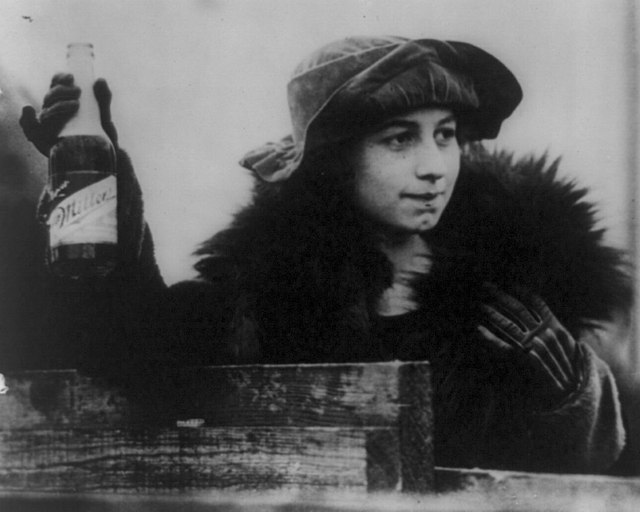

The Prohibition era in the United States, spanning from 1920 to 1933, is often characterized by speakeasies, gangsters, and illicit bootlegging. However, the backbone of the Prohibition movement was significantly supported and opposed by various women’s groups, whose contributions were pivotal in both the inception and the repeal of the 18th Amendment. This article explores the multifaceted roles women played during Prohibition, highlighting how they influenced one of the most intriguing chapters in American history.
Prelude to Prohibition: The Women’s Christian Temperance Union

The roots of Prohibition can be traced back to the late 19th century when women began to play a central role in temperance movements. The Women’s Christian Temperance Union (WCTU), founded in 1874, became one of the most influential proponents of temperance. Under the leadership of Frances Willard, the WCTU argued that alcohol was responsible for many of society’s evils, including domestic violence and poverty. The organization used education and legislative advocacy to promote temperance, viewing Prohibition as a moral crusade to protect families and uphold societal values.
The Political Force of the Anti-Saloon League

While the WCTU laid the moral groundwork, the Anti-Saloon League (ASL), founded in 1893, capitalized on the momentum, harnessing women’s activism to become a formidable political force. Women in the ASL were instrumental in lobbying for local and state prohibition laws, leading to the eventual ratification of the 18th Amendment in 1920. Their efforts demonstrated early on how women could influence American politics, even before they were granted the right to vote.
Prohibition and Suffrage: A Converging Point

The suffrage movement, which led to women gaining the right to vote with the 19th Amendment in 1920, was deeply intertwined with the temperance cause. Many suffragettes believed that the enfranchisement of women would lead to immediate social reforms, including the prohibition of alcohol. Leaders like Susan B. Anthony and Elizabeth Cady Stanton advocated for both causes, highlighting a synergy that propelled each movement forward. The success of suffrage added millions of women voters who had the potential to shape the political landscape concerning Prohibition.
The Rise of Women Bootleggers and Speakeasy Operators

Contrary to their temperance counterparts, many women saw Prohibition as an opportunity to engage in the lucrative illegal alcohol trade. Women like Gertrude Lythgoe, known as the “Queen of the Bootleggers,” and Texas Guinan, a famous speakeasy hostess, became iconic figures of the era. Their involvement in the bootlegging industry showcased a stark contrast to the traditional roles women were expected to play, challenging societal norms and asserting economic independence.
The Women’s Organization for National Prohibition Reform

As the negative impacts of Prohibition became apparent, including the rise of organized crime and the loss of government tax revenue from alcohol, a counter-movement emerged. The Women’s Organization for National Prohibition Reform (WONPR), founded in 1929 by Pauline Sabin, argued that Prohibition was causing more harm than good. Sabin and other members believed that repeal was necessary to restore personal freedom and reduce crime. The WONPR quickly grew in numbers, reflecting a significant shift in public opinion among women.
The Fall of Prohibition

The efforts of the WONPR and changing public sentiments culminated in the repeal of the 18th Amendment in 1933 with the passage of the 21st Amendment. This marked a significant victory for the repeal movement and demonstrated the influential power of women in shaping public policy.
The Legacy of Women’s Activism

The Prohibition era significantly altered the perception and involvement of women in American politics and society. Women’s roles during this period were instrumental in initiating and eventually repealing Prohibition. They not only shaped the legislative landscape but also transformed societal expectations for women, setting the stage for future movements concerning gender equality and civil rights.
Final Thoughts

The legacy of women’s involvement in the Prohibition era is a testament to their evolving role in society during the early 20th century. Whether as advocates for temperance or as opponents of Prohibition laws, women across the spectrum demonstrated leadership, resilience, and influence. Their actions during this period paved the way for subsequent generations of women to continue the fight for social reforms and equal rights. The Prohibition era, thus, stands out as a significant chapter in the history of women’s activism in America, highlighting their capacity to effect change both within and outside the bounds of the law.



