
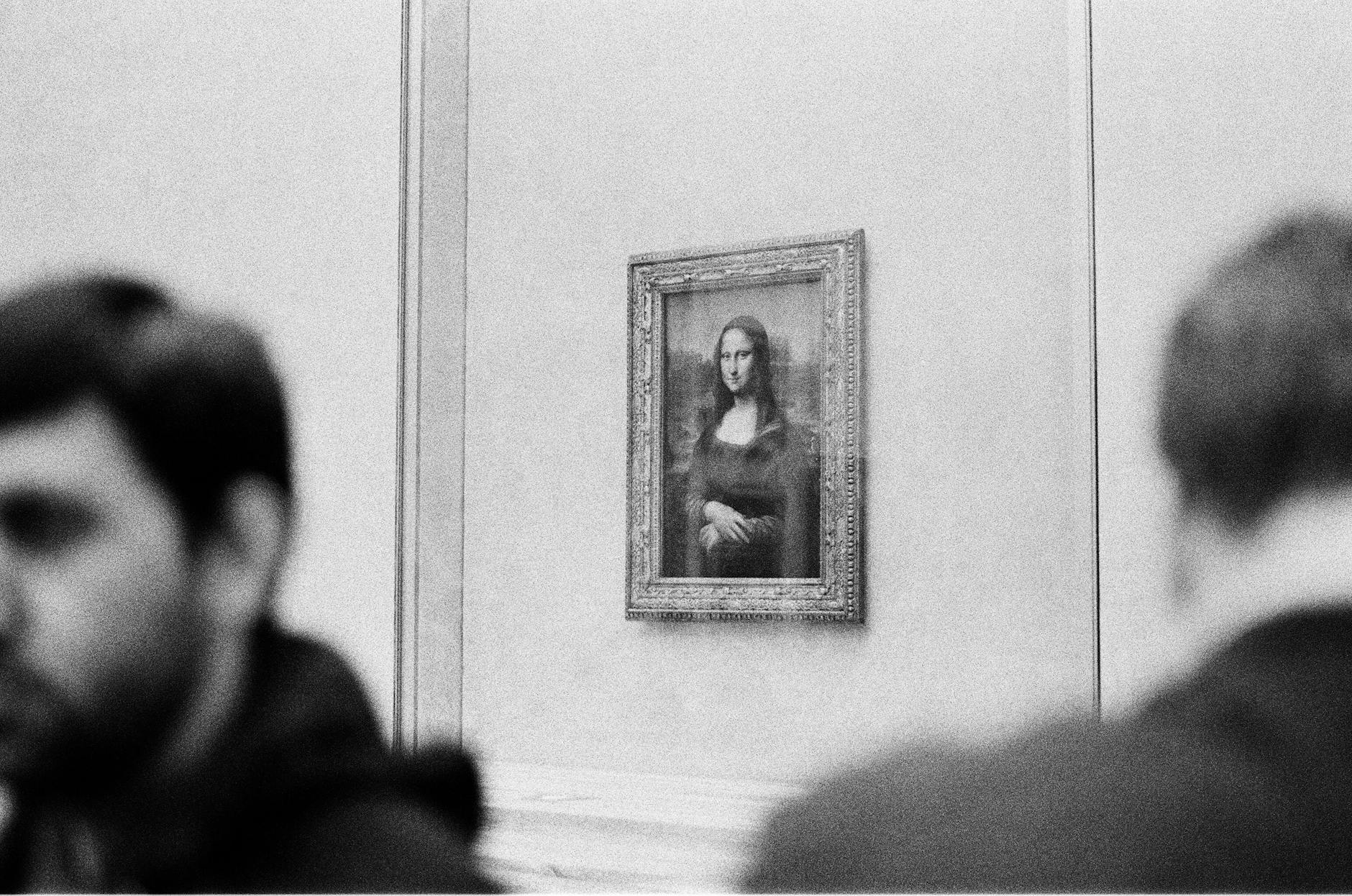
The “Mona Lisa,” painted by Leonardo da Vinci in the early 16th century, is undoubtedly one of the most famous artworks in the world. Housed in the Louvre Museum in Paris, this captivating portrait draws millions of visitors each year, all eager to see the mysterious woman whose enigmatic smile has puzzled historians and art lovers for centuries. But who was the Mona Lisa, and why has her portrait garnered such fame and intrigue? This article explores the identity of the woman in the painting, the historical context of its creation, and the reasons behind its enduring legacy.
The Identity of Mona Lisa
The woman portrayed in the “Mona Lisa” is generally believed to be Lisa Gherardini, also known as Lisa del Giocondo. Born on June 15, 1479, in Florence, Italy, Lisa was a member of the Gherardini family, a noble but not particularly wealthy clan. At the age of 15 or 16, she married Francesco del Giocondo, a silk merchant and a prominent figure in the Florentine community. The marriage linked her to the social and economic elite of Florence, positioning her family within the higher circles of Renaissance society.
The commission of her portrait by her husband around 1503 was likely an occasion to celebrate their new home or the birth of their second son. Leonardo da Vinci, already a well-known artist and intellectual, was chosen for the task. The painting is often referred to as “La Gioconda,” reflecting her married name—a nod to her husband and her contented life in Florence.
Historical Context and Leonardo’s Vision
Leonardo da Vinci began painting the “Mona Lisa” in 1503, during a period when Florence was a thriving center of arts and culture. The Renaissance was in full bloom, marked by a renewed interest in the humanities, sciences, and artistic endeavors. Leonardo himself was deeply involved in scientific studies and artistic explorations, which significantly influenced his approach to painting.
Unlike other portraits of the time, which often depicted women in profile, Leonardo chose to paint Lisa Gherardini in a half-length portrait with a direct gaze towards the viewer. This choice was revolutionary and gave the painting a personal and intimate feel that was unusual for its time. Moreover, Leonardo’s use of sfumato—a technique that allows tones and colors to shade gradually into one another, producing softened outlines or hazy forms—enhanced the enigmatic quality of her smile and the lifelike appearance of her skin.
The Enigmatic Smile
Perhaps the most discussed aspect of the “Mona Lisa” is Lisa Gherardini’s smile. Her expression seems to change depending on the viewer’s perspective and has been described as ambiguous, serene, sad, or mocking. This smile captures a moment of emotional complexity that invites speculation and mystery, making the painting stand out among thousands of other portraits.
The Journey of the Painting
After Leonardo’s death in 1519, the “Mona Lisa” became part of King François I’s collection, indicating that Leonardo brought the painting with him to France during his final years. Since then, it has remained in France, becoming part of the royal collection and eventually being displayed in the Louvre after the French Revolution. The painting’s fame was significantly boosted in 1911 when it was stolen from the Louvre, making headlines worldwide. It was recovered two years later in Italy, and the incident only served to increase its fame.
Legacy and Impact
Today, the “Mona Lisa” is more than just a portrait; it is a symbol of artistic genius and cultural heritage. Its appeal lies not only in its artistic mastery but also in its universality. The expression of Mona Lisa is a reflection of the human condition—a depiction of emotion that is both specific and universal, allowing every viewer to see something different in her gaze.
The portrait’s fame is also bolstered by its history of patronage, theft, and recovery, which have woven it into the fabric of popular culture. From being referenced in literature and film to being parodied in modern media, the “Mona Lisa” continues to be a source of fascination and inspiration across the globe.
Final Thoughts
The “Mona Lisa” remains one of the most celebrated and recognized artworks in the world, a testament to Leonardo da Vinci’s mastery and the mysterious allure of its subject, Lisa Gherardini. Her portrait transcends the identity of a Florentine merchant’s wife to become a universal symbol of mystery and beauty. It encapsulates the spirit of the Renaissance and continues to engage, inspire, and intrigue the world, making it a timeless piece of human history.



