
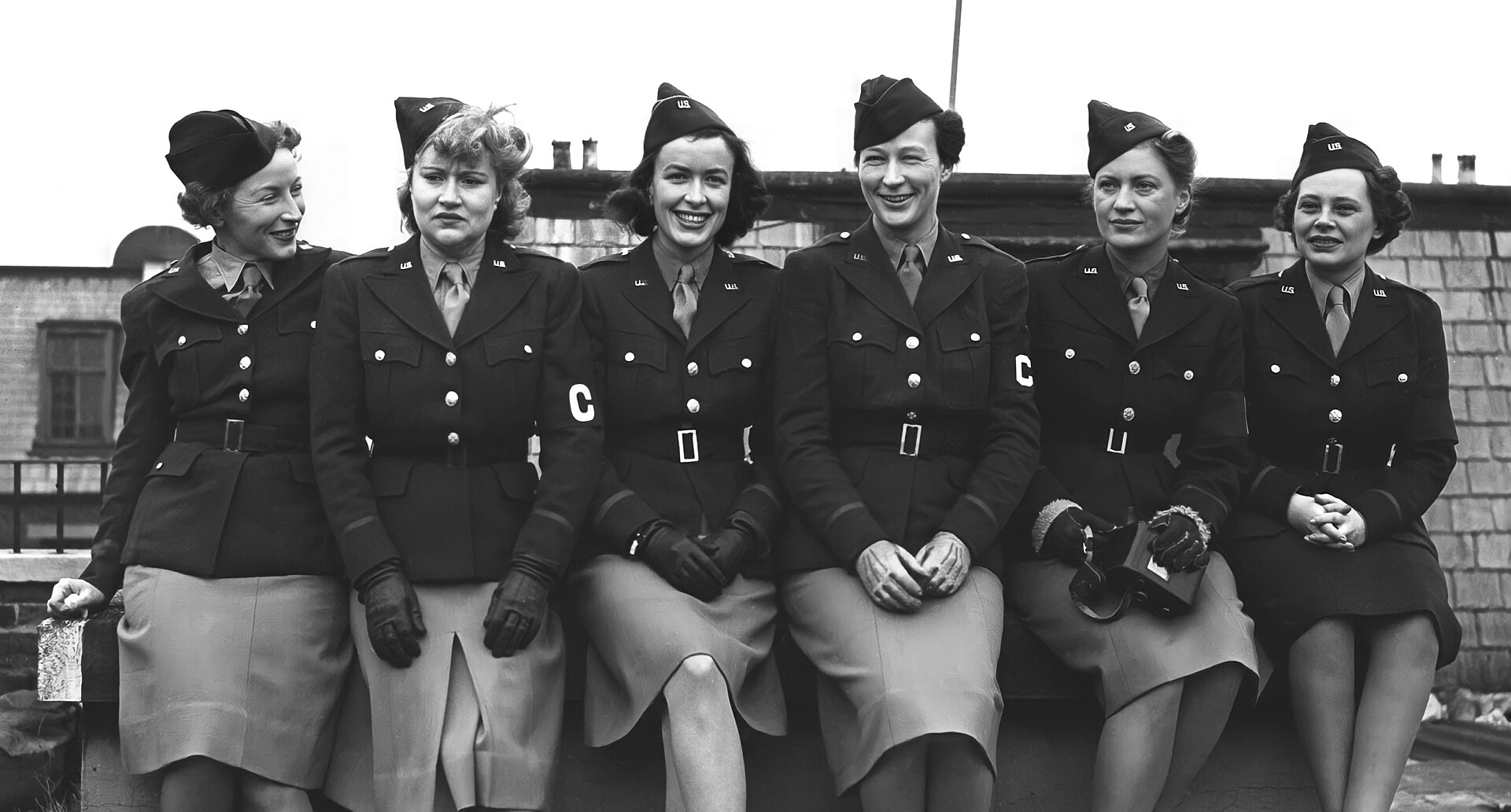
Lee Miller’s transformation from a Vogue cover model to a fearless war correspondent and acclaimed photographer is as dramatic and compelling as the images she captured through her lens. Born Elizabeth “Lee” Miller in 1907 in Poughkeepsie, New York, her journey is a story of audacity, artistic exploration, and profound impact on 20th-century art and journalism.
Early Beginnings
Lee Miller started her career in front of the camera, not behind it. Discovered in New York City by Condé Nast, the publisher of Vogue, after he saved her from a near tragic accident, Miller’s striking looks quickly made her a sought-after model in the late 1920s. Her features graced the cover of Vogue multiple times, establishing her as a prominent figure in the modeling world. However, Miller’s ambitions extended far beyond modeling; she was deeply interested in the arts and yearned for a more substantive creative role.
Transition to Photography
In 1929, seeking to control the artistic narrative of her work, Miller moved to Paris. It was there that she began an apprenticeship with Man Ray, a leading figure in the Dada and Surrealist movements. Under his tutelage, Miller mastered the art of photography, quickly moving from apprentice to collaborator. Her time in Paris was marked by her deep involvement in the city’s vibrant artistic life, where she forged relationships with notable figures such as Pablo Picasso, Jean Cocteau, and Paul Éluard.
The Surrealist Influence
Miller’s photographic work was heavily influenced by her connections with the Surrealists. Her images from this period show a blend of dreamlike fantasy and stark reality, often infused with eroticism and mystery. This phase of her work included some of her most iconic surrealist images, such as the “Severed Breast from Radical Surgery in a Place Setting,” which juxtaposed horror with the mundane, compelling viewers to confront the unsettling realities beneath the surface of everyday life.
The War Years
As World War II engulfed Europe, Miller’s work took a dramatic turn. She returned to London and became an accredited war correspondent for Vogue, a rare position for a woman at the time. Miller covered the London Blitz, capturing the devastation of the bombings on the city and its impact on civilian life. Her photographs from this period are poignant reminders of the war’s brutal reality.
But Miller didn’t stop at London. As the Allies advanced, she was there to document the liberation of Paris, the combat in Eastern Europe, and the eventual victory. One of her most significant assignments was visiting the concentration camps at Buchenwald and Dachau. The images she captured were among the first to show the atrocities committed there, serving as powerful historical documentation of the Holocaust.
Post-War Challenges and Contributions
The war years took a personal toll on Miller, and she struggled with what would now likely be recognized as post-traumatic stress disorder. After marrying British surrealist artist Roland Penrose in 1947, she gradually withdrew from photography, focusing instead on her family and gourmet cooking.
Despite her later retreat from public life, Miller’s wartime contributions have garnered significant recognition. Her work from this period provided a unique female perspective on war, contrasting sharply with the more traditional heroic imagery often associated with male correspondents.
Legacy and Recognition
Today, Lee Miller is celebrated not just as a model or photographer, but as a visionary artist whose work crossed boundaries and defied expectations. Her legacy is preserved through the Lee Miller Archives, which is managed by her son, Antony Penrose. The archives continue to facilitate exhibitions and publications that celebrate her vast contributions to photography and art.
Her personal life and work have been the subject of numerous retrospectives at major museums around the world, including the Victoria and Albert Museum in London and the Centre Pompidou in Paris. These exhibitions showcase her versatility from fashion photography to brutal war imagery, highlighting her unique eye for composition and her fearless approach to photojournalism.
Final Thoughts
Lee Miller’s remarkable journey—from a Vogue model to a war photographer who documented some of the 20th century’s most crucial moments—reflects her relentless pursuit of artistic authenticity and her commitment to documenting truth. Her work challenges us to see beyond the surface, to find beauty in the grotesque, and to recognize the power of resilience in the face of destruction. Lee Miller was not just a witness to history; she was a pioneer who used her camera as a tool for revelation and change, making her one of the most formidable photographers of her time.



