
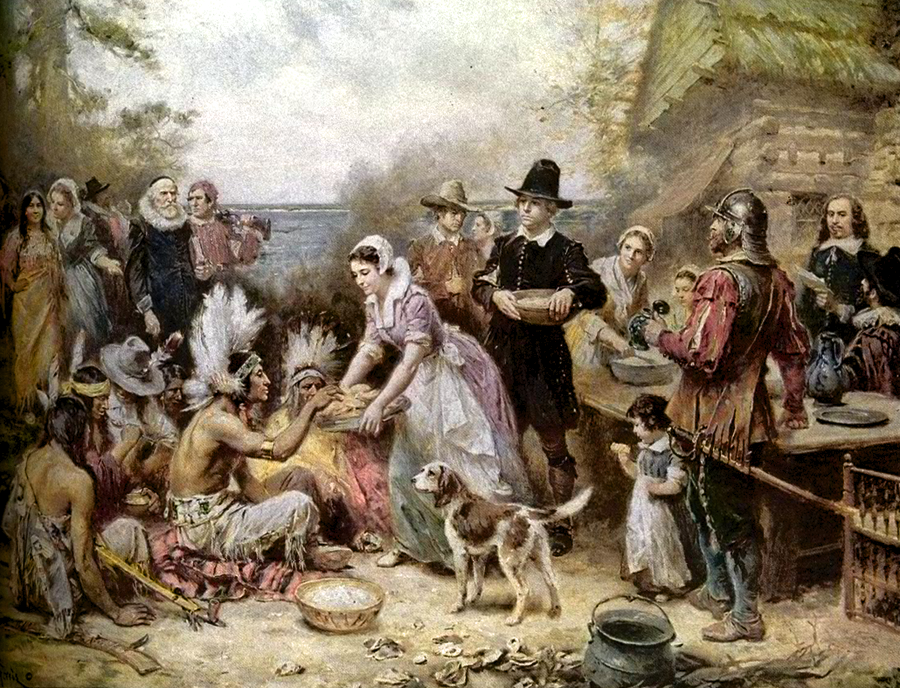
Thanksgiving in the United States, commonly depicted with images of family gatherings, feasts, and expressions of gratitude, is celebrated by many as a cherished holiday. However, for many Native American communities, Thanksgiving carries a nuanced significance that speaks to survival, cultural endurance, and the profound impacts of colonialism on Indigenous peoples. This blog post explores Thanksgiving from a Native American perspective, particularly emphasizing the roles and traditions upheld by Native American women, and provides a broader historical and cultural context.
Historical Background
While the popular story of Thanksgiving celebrates a 1621 feast shared between the Pilgrims and the Wampanoag tribe as a symbol of cooperation and alliance, many Native Americans view it through a lens of loss and betrayal. Following the arrival of European settlers, indigenous populations faced catastrophic declines due to disease, displacement, and sustained violence. This darker side of the holiday’s history is seldom highlighted in mainstream narratives, which tend to focus on the unity and shared celebrations between Native Americans and settlers.
A Day of Mourning
For many Native communities, Thanksgiving is observed as a Day of Mourning, a tradition that has been observed for many decades. This day serves as a solemn reminder of the genocide of Native people, the theft of Native lands, and the relentless assault on Native culture. Events typically include gatherings and protests that recount historical injustices and honor ancestral sacrifices and resilience. It’s a day for reflection on past atrocities and a call to action to address ongoing issues faced by Native communities.
The Role of Native American Women in Thanksgiving
Native American women have historically been guardians of their communities’ health, history, and spirituality, playing vital roles that are especially highlighted during Thanksgiving.
- Culinary Stewards: Native American women have traditionally managed the preparation of meals during communal feasts, using ingredients that are both culturally significant and nourishing. These include corn, beans, squash, wild rice, and venison, foods that are deeply rooted in Native American agricultural practices and culinary traditions.
- Ceremonial Leaders: Women often lead or play significant roles in Thanksgiving ceremonies, which include prayers, dances, and songs. These ceremonies are crucial for reinforcing the community’s spiritual connections and cultural heritage, serving as a powerful reminder of the resilience and enduring spirit of Native peoples.
- Educators and Storytellers: Through storytelling and education, Native American women preserve and pass down knowledge that is critical to cultural identity and community cohesion. They teach younger generations about the histories and traditions that might otherwise be marginalized in the broader narratives of American history.
- Crafts and Artistry: Artistic expression is another area where Native American women contribute profoundly during Thanksgiving. Beadwork, pottery, and textile crafts not only serve as expressions of cultural identity but also as means of economic and artistic survival.
- Advocates for Justice: Advocacy is a crucial role played by Native women, who utilize the Thanksgiving platform to voice injustices and mobilize for societal change. They speak on issues like land rights, the protection of sacred sites, and the welfare of their communities, pushing for policies that respect Native sovereignty and ensure the well-being of their people.
Reflecting on Contemporary Celebrations and Cultural Richness
Today, as Native American communities observe Thanksgiving, there is a vibrant effort to reclaim and reinterpret the holiday through the lens of indigenous experience and wisdom. November, recognized as Native American Heritage Month, coincides with Thanksgiving and offers a broader stage to celebrate the rich tapestry of Native American life. It is a time when museums, educational institutions, and community groups hold events that highlight Native American history, arts, and contemporary issues.
The involvement of Native American women in these activities underscores their pivotal role in cultural continuity and innovation. From art exhibitions featuring Native women artists to political movements addressing women’s health and safety on reservations, their contributions are diverse and impactful.
Conclusion
Examining Thanksgiving from a Native American perspective, particularly with an emphasis on women’s roles and experiences, allows for a deeper understanding of the holiday. It challenges the simplistic narratives and fosters a greater appreciation for the profound experiences of Native American communities. Recognizing and respecting these perspectives ensures a more inclusive and accurate representation of America’s cultural landscape and history. This acknowledgment not only honors Native American heritage but also supports their sovereignty and rights, paving the way for a future of respectful coexistence and mutual appreciation.



