
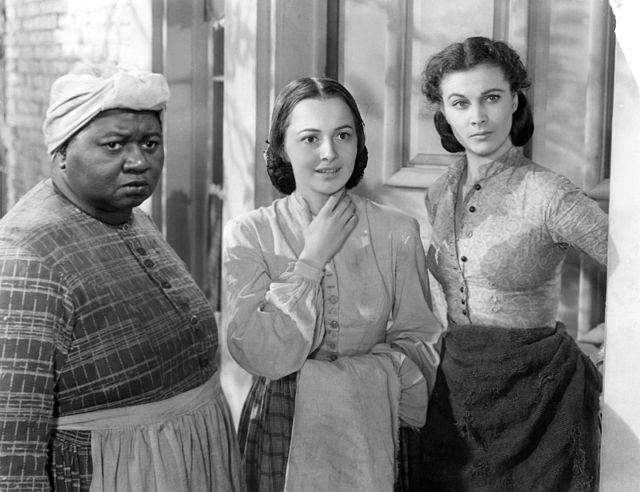
Margaret Mitchell, an iconic name in American literature, remains celebrated for her single, yet profoundly influential novel, “Gone with the Wind.” This epic tale of love, war, and survival in the Civil War-era South not only earned her the Pulitzer Prize for Fiction in 1937 but also cemented her work in the annals of American classics. This blog post explores the life of Margaret Mitchell, the monumental success of her novel, and its lasting impact on American culture.
Early Life and Inspirations
Born on November 8, 1900, in Atlanta, Georgia, Margaret Munnerlyn Mitchell grew up in a family steeped in Southern history. Her upbringing in the Reconstruction South significantly influenced her perspectives and writings. Her mother, Maybelle Stephens Mitchell, was a suffragist, and her father, Eugene Muse Mitchell, was an attorney and historian. Their stories of the Civil War and the Deep South’s complex history enveloped her childhood, which later profoundly influenced “Gone with the Wind.”
Mitchell’s foray into writing began early—she wrote stories from her childhood and was involved in her high school literary magazine. She attended Smith College but left after her first year following her mother’s death during the influenza pandemic of 1919. Returning to Atlanta, she eventually took up a position at the ‘Atlanta Journal Sunday Magazine,’ making a name for herself as one of the few female reporters of the time.
Creation of “Gone with the Wind”
While Mitchell’s career as a journalist was promising, chronic ankle injuries—sustained in a youth full of horseback riding—led her to leave the newspaper business. During her recovery, she began writing what she referred to as “the Great American Novel.” Over almost a decade decade, Mitchell compiled a sprawling narrative that depicted the life and struggles of the Southern plantation elite during the American Civil War and Reconstruction.
“Gone with the Wind” was published in 1936 after Mitchell was persuaded by a visiting Macmillan editor, who had heard about her manuscript through Mitchell’s friend. The novel was an immediate success, captivating readers with its vivid characters, particularly its indomitable protagonist, Scarlett O’Hara. Its detailed portrayal of the South during one of the most tumultuous periods in American history offered both nostalgia and a critical look at the old social order.
Impact and Controversy
The release of “Gone with the Wind” was a literary event. It sold one million copies within six months, received the Pulitzer Prize in 1937, and was adapted into a blockbuster film in 1939 that won ten Academy Awards in 1940. The book’s success made Mitchell a celebrity overnight, though she was known to shun the spotlight and rarely gave interviews.
However, the novel and its film adaptation have also been subjects of significant criticism. Critics argue that Mitchell’s depiction of slavery and African Americans is idealized and sanitized. They contend that it perpetuates harmful stereotypes and glorifies the antebellum South. These critiques have spurred broader discussions about the portrayal of race in historical narratives and continue to evoke debates about the place of such works in modern society.
Despite the controversies, Mitchell’s novel remains a significant cultural artifact. It is admired for its narrative drive, complex characters, and detailed setting, which many see as a window into a pivotal era of American history.
Later Life and Legacy
Margaret Mitchell’s life after “Gone with the Wind” was predominantly private and somewhat overshadowed by the book’s immense success. She spent much of her time managing the literary rights and responding to fan mail. Mitchell also became involved in philanthropic causes, particularly in support of African American students in the field of medicine.
Mitchell’s life was tragically cut short at age 48 when she was struck by a speeding car while crossing a street in Atlanta in 1949. Today, her legacy is preserved at the Margaret Mitchell House, which is part of the Atlanta History Center and offers exhibitions on her life and the impact of her most famous work.
Conclusion
Margaret Mitchell’s contribution to American literature through “Gone with the Wind” is indelible. While the novel has its critics, particularly concerning its portrayal of race and the glorification of the Confederacy, its impact on literary and popular culture is undeniable. Mitchell’s ability to craft a story that has resonated with millions, offering both a source of entertainment and historical reflection, underscores her skill as a writer and the profound effect of her singular masterpiece on generations of readers and viewers around the world.



