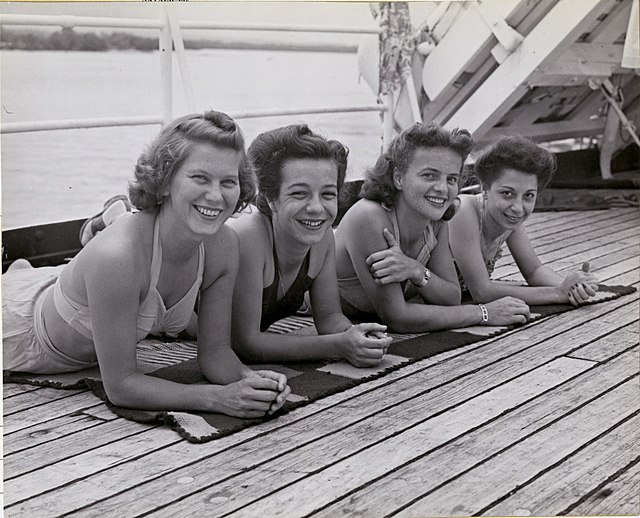
Sunbathing, the practice of sitting or lying in the sun to enjoy its warmth and light, has evolved significantly over the centuries. Today, it is a popular leisure activity enjoyed by millions around the world, often associated with relaxation and vacations. However, the journey of sunbathing from a health activity to a popular cultural phenomenon is rich and varied, influenced by shifts in medical opinion, fashion, and social norms.
Ancient Beginnings and Medical Influence
The appreciation for the sun and its perceived health benefits is not a modern invention. Ancient civilizations such as the Greeks and Romans recognized the sun’s healing powers. The philosopher Hippocrates, often called the “Father of Medicine,” prescribed sun exposure to treat a variety of ailments. This early version of sunbathing was more about health than leisure, and it set the groundwork for the sun’s enduring association with wellness.
During the Industrial Revolution, the urban working class in Europe and America experienced a decline in health due to long hours spent in factories away from natural light. This led to the rise of heliotherapy, a medical treatment advocating exposure to sunlight, popularized by the Swiss physician Auguste Rollier in the early 20th century. Rollier opened several clinics in the Swiss Alps, where patients were treated for tuberculosis and other diseases through controlled sun exposure.
Sunbathing for Health: The Early 20th Century
In the early 1900s, sunbathing for health purposes became increasingly popular, especially in Europe. The discovery of ultraviolet rays and their role in the production of Vitamin D underscored the health benefits of sun exposure in preventing diseases such as rickets and strengthening the immune system. This medical endorsement spurred a wave of enthusiasm for sunbathing as a health practice.
In the 1920s and 1930s, the practice took on a new dimension with the growing popularity of the seaside vacation. Coastal towns in France, such as Cannes and Biarritz, became fashionable resorts where the wealthy flocked to “take in the sun.” This period also saw the rise of the suntan as a status symbol, a trend significantly influenced by fashion icons like Coco Chanel, who popularized the tan as a sign of leisure and luxury, rather than a mark of labor outdoors.
The Sun Tan Becomes Fashionable
Before the 1920s, a tan was generally associated with the working class, who labored outdoors and were sun-exposed regularly. The upper class prided themselves on pale skin, an indicator of a leisurely life spent away from manual labor. However, Coco Chanel’s accidental sunburn while visiting the French Riviera soon became a trendsetting tan, which shifted the perceptions of tanned skin across the fashion world. By the 1930s, sunbathing as a deliberate act to darken the skin had become a vogue practice among the elite, signifying opulence and the leisure to travel to exotic climates.
Mid-20th Century to Modern Day
The mid-20th century saw the democratization of sunbathing, moving beyond the wealthy elite to the general population. The post-war economic boom, the increase in leisure time, and the advent of commercial air travel made sunny destinations accessible to more people. Beach holidays became synonymous with relaxation and sunbathing became a central element of holiday culture.
However, as sunbathing became widespread, so too did the concerns about overexposure to the sun’s ultraviolet rays. In the latter part of the 20th century, medical advice began to shift once more, with increasing awareness of skin cancer risks associated with prolonged sun exposure. This led to new health guidelines advocating for moderated exposure to the sun, use of sunscreen, and protective clothing.
Today’s Sunbathing Culture
Today, sunbathing straddles the line between health and leisure. While the tan still holds cultural currency as a symbol of health and vitality in many parts of the world, there is also a growing awareness of the dangers of overexposure to the sun. Sunbathing is now more often balanced with sun safety practices.
Modern sunbathing is as much a social activity as a personal health or cosmetic one. From beach parties to quiet reading by the pool, it remains a popular way to relax, reflect, and rejuvenate. Meanwhile, the wellness industry continues to explore and promote the benefits of moderate sun exposure, including its ability to boost mood and maintain circadian rhythms.
Final Thoughts
The popularity of sunbathing is a fascinating reflection of changing cultural, social, and medical attitudes towards the sun. From its ancient therapeutic uses to its status as a modern lifestyle activity, sunbathing has shown a remarkable ability to evolve. It remains to be seen how our relationship with the sun will change in the future, but what is clear is that our fascination with it is as old as civilization itself.