
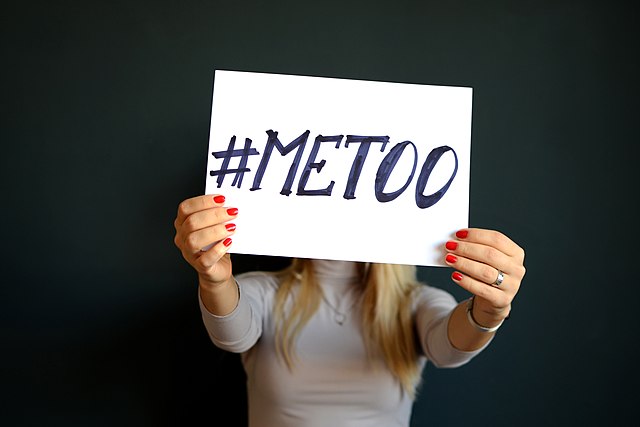
The #MeToo movement has become a seminal cultural and social phenomenon, propelling the issues of sexual harassment and assault, particularly in the workplace, into a global spotlight. This movement has not only triggered the downfall of numerous powerful figures across diverse sectors but has also led to significant reforms in both corporate policies and national laws. This blog post explores the origins of the #MeToo movement, tracks its development, examines its impact, and celebrates the key figures who have played crucial roles in its expansion.
Origins of #MeToo
The phrase “Me Too” was initially used by Tarana Burke in 2006 on the social media platform Myspace. Burke, a civil rights activist and herself a survivor of sexual violence, created the phrase as part of a grassroots campaign to provide empathy and support to other survivors of sexual violence, particularly within underprivileged communities. Burke’s creation of the term was aimed at fostering an environment of understanding and solidarity among survivors, offering them comfort and a sense of community.
The Movement Gains Global Attention
The #MeToo movement surged into global consciousness in October 2017, catalyzed by actress Alyssa Milano’s viral tweet. Milano encouraged victims of sexual harassment or assault to post #MeToo as a status to give people a sense of the magnitude of the problem. This call resonated across the globe, and within a short period, millions of people began using the hashtag to share personal stories of sexual misconduct. This marked a pivotal shift, turning individual stories into a collective outcry for change and accountability.
Pioneers and Proponents
While Alyssa Milano helped bring #MeToo into mainstream dialogue, several key figures have been instrumental in the movement:
- Tarana Burke: Continues to guide the movement’s focus toward systemic change and support for survivors across all demographics.
- Alyssa Milano: Her use of her platform brought the movement to the masses, sparking widespread participation and support.
- Rose McGowan and Ashley Judd: These actresses were among the first to publicly accuse Hollywood mogul Harvey Weinstein of sexual misconduct, which was pivotal in drawing attention to the widespread issues within the entertainment industry.
- Ronan Farrow: His investigative journalism, along with that of other journalists like Jodi Kantor and Megan Twohey, helped uncover detailed accounts of accusations against high-profile figures, which played a crucial role in validating the claims of survivors and encouraging further disclosures.
Societal Impact and Legal Progress
The #MeToo movement has had profound effects on societies worldwide:
- Legal and Policy Changes: Inspired by the stories shared under #MeToo, legislative bodies have taken significant steps to better protect employees from sexual harassment. These include enhancing penalties for perpetrators, extending statutes of limitations for sexual assault, and limiting the use of confidentiality agreements in settlements.
- Corporate Changes: Companies globally have been motivated to take a hard look at their internal cultures and policies regarding sexual harassment. This has led to a greater emphasis on training, clearer channels for reporting harassment, and more stringent enforcement of policies.
- Awareness and Education: #MeToo has dramatically increased public awareness about sexual harassment, making it a topic of daily conversation. Educational programs in workplaces and schools have been expanded to address consent and professional conduct.
Challenges and Criticisms
Despite its achievements, the #MeToo movement has faced its share of challenges and criticisms. Some argue that the movement has occasionally bypassed the principles of due process, leading to public judgments and consequences for accused individuals without a formal investigation or legal proceeding. Additionally, there has been a call within the movement to ensure it represents and voices the experiences of all women, including those from marginalized groups who may not have the same platform as celebrities.
Future Directions
The future of the #MeToo movement lies in its ability to adapt and address the criticisms it faces while continuing to advocate for victims of sexual harassment and assault. There is a growing emphasis on intersectionality, focusing on how sexual harassment intersects with issues of race, class, and gender identity, ensuring that #MeToo is inclusive and representative of all survivors.
Conclusion
The #MeToo movement has become more than just a hashtag; it’s a global shift towards accountability, transparency, and respect in both personal and professional spaces. It has sparked a necessary conversation and a call for change that continues to evolve, shaping policies and cultural norms around the world. As it moves forward, the movement’s focus is on creating sustainable change that ensures a safe and equitable environment for all individuals, aiming for a world where no person ever needs to say “me too” again.



