
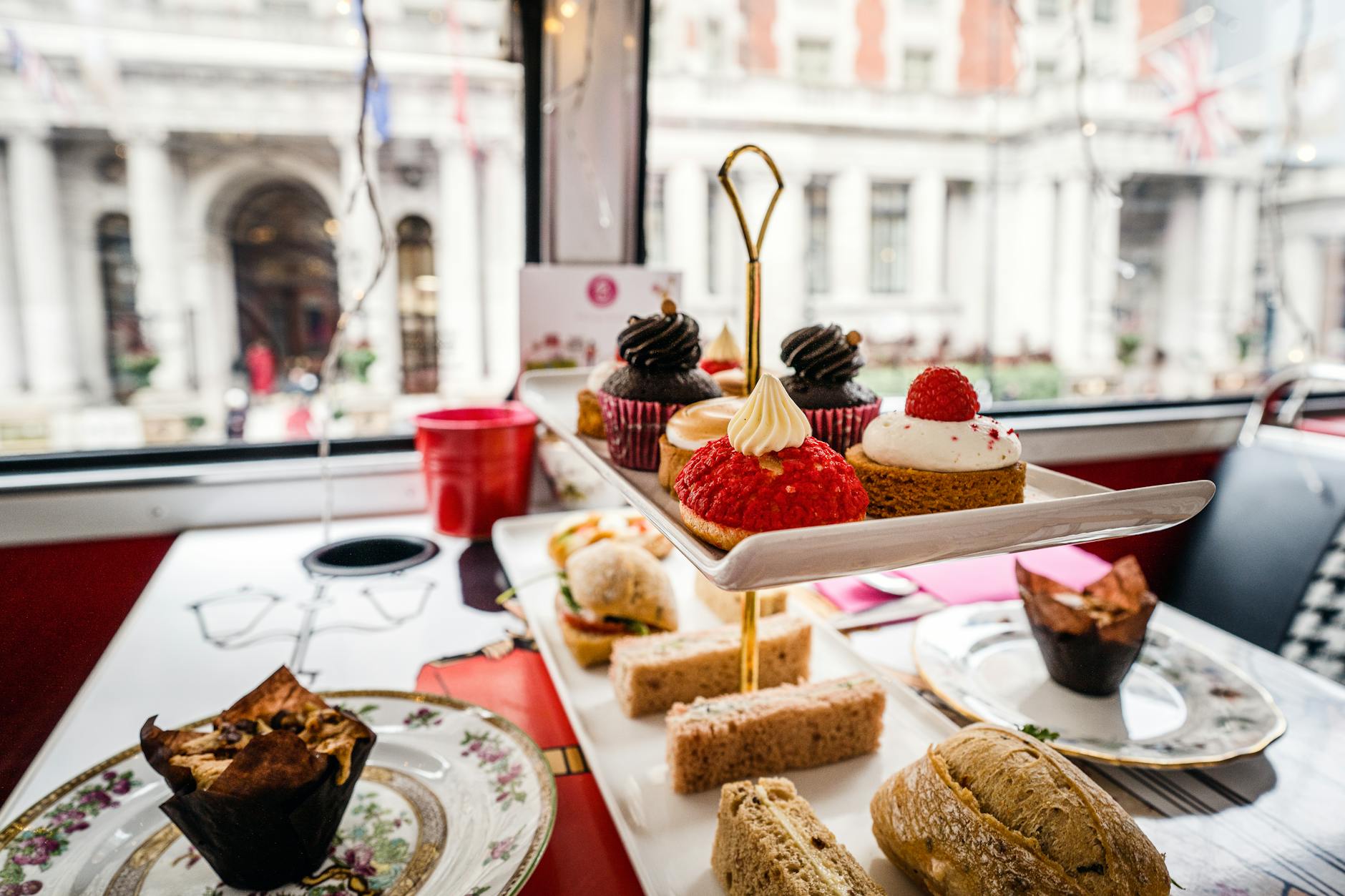
Afternoon tea, a quintessentially British custom, has transcended its origins to become a beloved ritual around the world. From its aristocratic beginnings in the 19th century to its modern-day variations, afternoon tea remains a delightful celebration of leisure and conversation. This blog post explores the rich history of afternoon tea, how it evolved, and its enduring appeal.
Origins in the Victorian Era
The tradition of afternoon tea started in the early 1840s in England. It is credited to Anna, the seventh Duchess of Bedford, who complained of “having that sinking feeling” during the late afternoon. At the time, it was common for people to consume only two main meals a day—breakfast in the morning and dinner late in the evening. The Duchess found herself needing a snack to bridge the lengthy gap between meals.
To remedy her afternoon lull, Anna began requesting a tray of tea, bread, and butter, and cake to be brought to her room. Finding the practice enjoyable, she soon started inviting friends to join her in her rooms at Woburn Abbey. This private gathering laid the groundwork for afternoon tea, which quickly became a social event among the upper class.
The Ritual Gains Popularity
As the tradition took hold, other social hostesses quickly picked up on the idea. By the late 19th century, afternoon tea had become a high-society event, where ladies dressed in their finest gowns would converge between 3 and 5 PM to enjoy delicate teas paired with an array of light sandwiches, scones, and cakes. These gatherings were not only a means to stave off hunger but also important social occasions, which offered an opportunity to meet new people, catch up with friends, and exchange news in an intimate setting.
The setting for afternoon tea was as crucial as the menu. The finest silverware, porcelain, and linen were used, showcasing the social status of the hostess. The tea itself was often imported from India or Ceylon (now Sri Lanka), making it an exotic and cherished commodity.
Afternoon Tea and the British Empire
The British Empire played a crucial role in the spread of the tea culture. As British influence expanded to Asia and beyond, so did the custom of drinking tea. In the colonies, afternoon tea became a way for expatriates to maintain their British lifestyle. These colonial afternoon teas were extravagant affairs often accompanied by music in lush garden settings.
Afternoon Tea in Modern Times
In contemporary times, afternoon tea has seen a revival and is now celebrated not just for its elegance but as a leisurely pause in our otherwise hectic lives. Hotels and restaurants around the world offer their takes on this tradition, some adhering to classic customs while others introduce modern twists to cater to a broader audience.
Modern afternoon teas vary significantly but typically include a selection of fine teas and a combination of savory and sweet dishes. Gourmet versions might feature champagne or artisanal teas, and vegetarian, vegan, and gluten-free options have become common, reflecting today’s dietary preferences.
Cultural Adaptations and Global Appeal
Globally, the concept of afternoon tea has been adapted to fit local tastes and ingredients. In Japan, for instance, traditional teas are often served with sweets that blend Western influences with Japanese flavors. In Morocco, mint tea accompanies small pastries or sandwiches in the late afternoon. Each variation of afternoon tea around the world shows how this British custom has been embraced and localized by different cultures.
The Enduring Charm of Afternoon Tea
The endurance of afternoon tea can be attributed to its ability to adapt to changing times while maintaining its essence—a peaceful break to enjoy tea and treats with company. It’s a tradition that invites us to slow down, savor the moment, and enjoy the finer things in life, making it as relevant today as it was over a century ago.
This historical journey from a simple snack to stave off hunger to an elaborate social event shows the transformation of afternoon tea into a cultural phenomenon. It is a testament to how traditions evolve and adapt, finding new meanings and significance in different eras and societies. Whether in a grand hotel or from the comfort of one’s home, afternoon tea continues to be a cherished ritual, enjoyed worldwide by those appreciating its delightful blend of simplicity and sophistication.



