
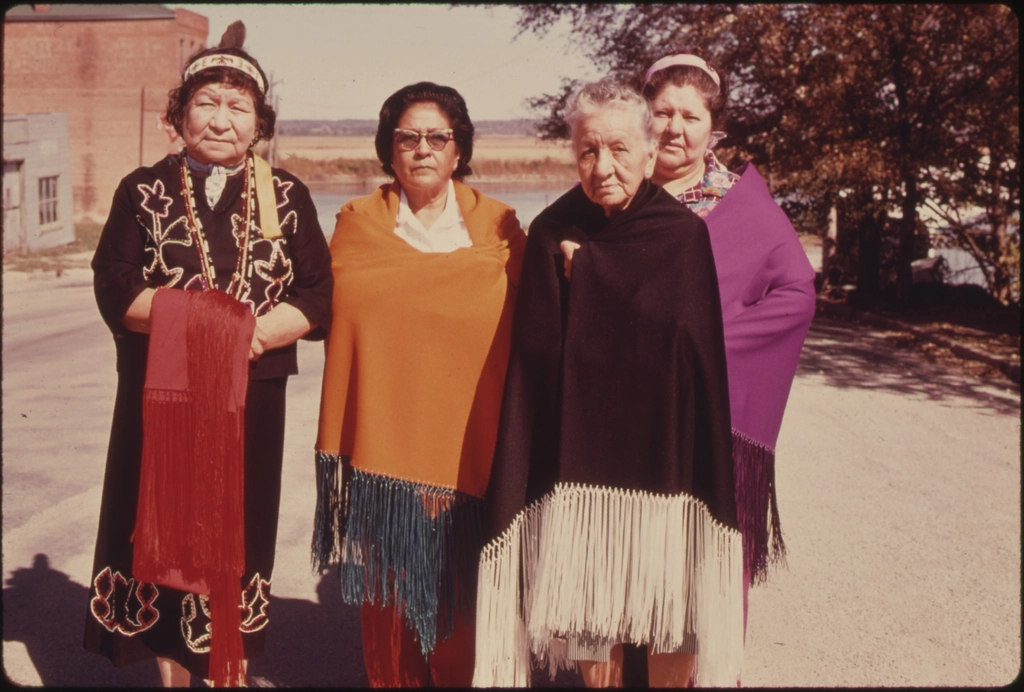
The crisis of missing and murdered Indigenous women (MMIW) is one of the most pressing yet overlooked human rights issues in North America. Indigenous women and girls in the United States and Canada face significantly higher rates of violence compared to non-Indigenous women, often resulting in their disappearance or tragic deaths. Despite the severity of this crisis, it continues to receive insufficient attention, making it essential to shed light on the underlying factors and ongoing efforts to address this issue.
1. The Alarming Statistics
In the United States, Indigenous women are more than twice as likely to experience violent crime compared to non-Indigenous women. Data from the Urban Indian Health Institute reveals that thousands of cases involving missing or murdered Indigenous women remain unsolved, with most receiving little public or media attention. In Canada, a 2019 national inquiry confirmed that the disappearance and murder of Indigenous women and girls are part of a systemic pattern, describing it as a “genocide” rooted in colonialism, racism, and sexism.
2. Systemic Factors Contributing to the Crisis
The roots of the MMIW crisis are deep and complex, often stemming from a history of colonization that dismantled traditional Indigenous governance structures and marginalized Indigenous communities. Factors such as poverty, inadequate housing, and limited access to healthcare and education create vulnerabilities within Indigenous communities. Moreover, many cases are exacerbated by the complex jurisdictional challenges that exist between federal, state, and tribal law enforcement, often leading to inadequate investigations or limited cooperation among agencies.
3. Lack of Data and Media Attention
One of the significant obstacles in tackling the MMIW crisis is the lack of comprehensive data. Many cases of missing Indigenous women go unreported or are not properly recorded in national databases. The absence of standardized data collection methods means that even accurate statistics on MMIW are difficult to establish, further hampering efforts to allocate resources effectively. Additionally, the media’s focus on cases involving non-Indigenous victims has historically sidelined the MMIW crisis, reducing public awareness and advocacy.
4. Grassroots Movements and Awareness Campaigns
Indigenous activists and allies have taken it upon themselves to raise awareness of MMIW through grassroots movements and social media campaigns like #MMIWG (Missing and Murdered Indigenous Women and Girls) and #NoMoreStolenSisters. Annual events, such as the National Day of Awareness for MMIW in the U.S. and the Red Dress Campaign in Canada, help to honor the memories of those lost and push for change. These initiatives have been instrumental in bringing the MMIW crisis into public consciousness and advocating for policy reform.
5. Government and Law Enforcement Responses
In recent years, some progress has been made in addressing the MMIW crisis. The United States passed Savanna’s Act in 2020, which aims to improve the response to cases of missing and murdered Indigenous people by enhancing data collection and improving coordination among law enforcement agencies. The Not Invisible Act was also introduced to create a commission focused on reducing violent crimes in Indigenous communities. Canada has implemented the National Inquiry into Missing and Murdered Indigenous Women and Girls, which offers a comprehensive set of calls to action for government and social services.
6. The Way Forward: Community, Education, and Policy
While the recent steps are encouraging, there is still much work to be done. The path forward requires a multifaceted approach that involves collaboration between governments, Indigenous communities, and advocacy groups. Investing in Indigenous-led programs, improving data collection, and creating educational campaigns to raise public awareness are essential measures. Training law enforcement to work effectively with Indigenous communities and developing stronger legal frameworks for prosecuting cases of violence against Indigenous women are also vital steps.
Final Thoughts: A Call to Stand in Solidarity
The MMIW crisis demands our attention and action. By acknowledging and addressing the factors that contribute to the disappearance and murder of Indigenous women, we can begin to forge a path toward justice and healing. Every missing woman represents a family, a community, and a culture in pain. Raising awareness, supporting Indigenous-led initiatives, and pushing for accountability from governments and institutions are critical steps in ending this crisis. Let us stand in solidarity with Indigenous communities to honor the lives lost and work toward a future where all women are safe, valued, and protected.



